KEY POINTS
- Environment minister upholds approval for Eskom’s new nuclear facility at Duynefontein, near Koeberg.
- The 4,000MW plant is part of South Africa’s long-term plan to reduce coal reliance and expand clean baseload capacity.
- Environmental groups had challenged the project, citing ecological and safety concerns.
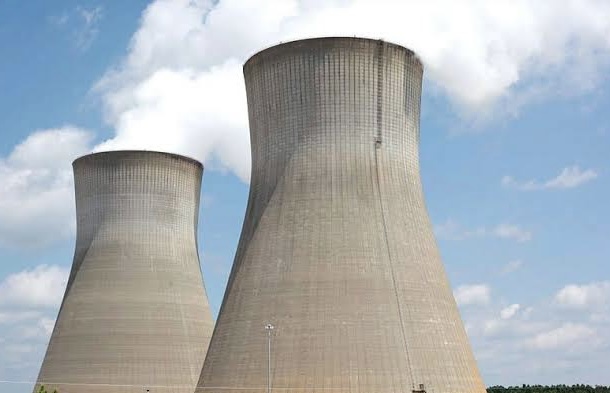
Environment Minister Dion George confirmed Friday that state-owned Eskom has received environmental approval to move forward with a 4,000-megawatt facility in the Western Cape, bringing South Africa one step closer to constructing its second commercial nuclear power plant.
The plant, which would be situated next to the nation’s sole nuclear power plant at Koeberg in Duynefontein, has been planned for years but has stalled due to political and legal concerns. Environmental activists vehemently opposed the project’s initial environmental authorization, which was granted in 2017, claiming it posed intolerable ecological and safety risks in an area known for its biodiversity and tourism industry.
Although the minister emphasized that Eskom will still need to obtain numerous additional permits before construction can start, George’s decision to uphold the approval eliminates one of the main regulatory obstacles.
Nuclear seen as vital to shift from coal-heavy grid
After years of rolling blackouts, South Africa, which depends on coal for about 80% of its electricity, has promised to diversify its generation mix, cut emissions, and stabilize its power supply. Pretoria officials view nuclear as a clean, dependable baseload option to support the shift to intermittent renewable energy sources like solar and wind.
In addition to the 1,860MW produced by Koeberg, the Duynefontein project would more than double the nation’s nuclear capacity and could aid in filling the supply shortage as aging coal plants are shut down. However, the government must strike a balance between gaining investor support for the multibillion-dollar project and avoiding criticism from environmental organizations that claim nuclear is too expensive, takes too long to build, and has waste management issues.
Eskom, which has been dealing with operational issues and financial strain, has not yet disclosed the project’s construction schedule or financing plan. According to the utility’s leadership, the new station could promote industrial growth in the Cape region and is necessary for long-term energy security.
The plant’s future will depend on intricate licensing, funding negotiations, and the resolution of South Africa’s larger energy policy discussions, even though the environmental ruling gives political momentum. As it pursues foreign investment for renewable energy, the ruling for the time being shows that Pretoria is still adamant about maintaining nuclear in its power mix.