

KEY POINTS
- African Energy Chamber condemns UK’s withdrawal of 1.15 billion dollars in support for Mozambique LNG, calling it a politically driven setback for the continent.
- Officials argue the project is vital for regional energy security, job creation and industrial growth, with improved conditions in Cabo Delgado making progress possible.
- The Chamber says the decision shows why Africa must reduce reliance on foreign financing and strengthen regional mechanisms to safeguard strategic energy developments.
The African Energy Chamber has sharply criticised the UK government’s decision to pull more than a billion dollars in support from Mozambique’s flagship LNG development, saying the move reflects a widening gap between Western climate priorities and Africa’s struggle to secure reliable energy for its people.
The withdrawal, worth 1.15 billion dollars in export credit backing, was confirmed on Monday and immediately drew reactions across the continent’s energy circles.
For the Chamber, the message was blunt: London’s choice mirrors a pattern of retreat from fossil-fuel projects at a time when African economies are under pressure to industrialise and meet soaring domestic demand.
In a statement on Tuesday, the Chamber described the decision as yet another instance of Western governments elevating political symbolism over Africa’s urgent needs.
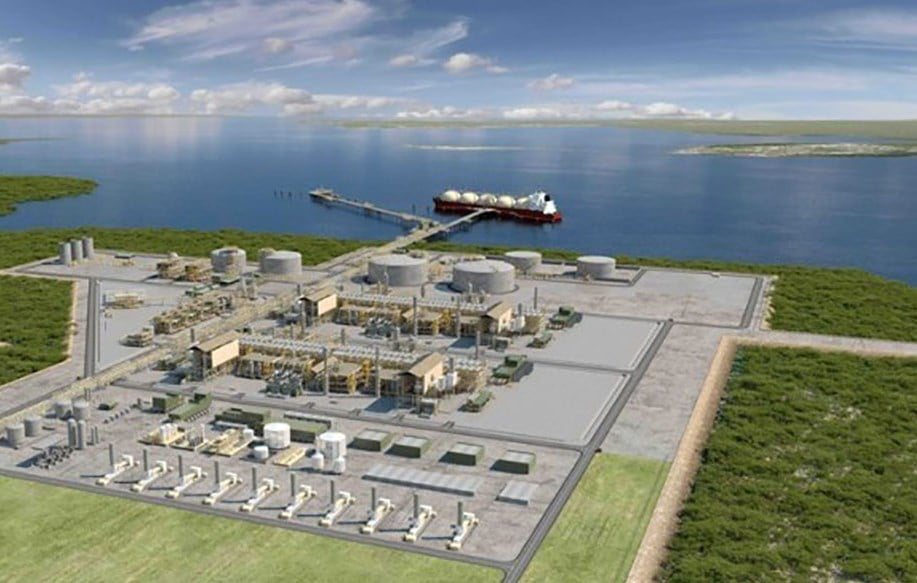
Officials argued that the TotalEnergies-led project has been designed not only as an export play but as a cornerstone for regional development, with the capacity to produce around 13 million tonnes of LNG each year and meaningfully expand access to electricity in a region where grid reliability remains scarce.
African energy leaders say London’s decision reflects political optics
Security concerns in northern Cabo Delgado, the site of the project, had forced TotalEnergies to halt operations in 2021. Conditions have since improved, allowing the company to lift the suspension and move towards a revised development plan.
The Chamber argues that instead of acknowledging those improvements, UK Export Finance cited broad risk considerations, a rationale it claims is more about managing political noise at home than about conditions on the ground.
By contrast, the US Export-Import Bank reauthorised its support earlier this year, after assessing similar security updates. For many African observers, the split between London and Washington highlights the uncertain space African energy projects now occupy as Western capitals adjust their climate and foreign-policy positions.
The Chamber linked the withdrawal to a broader tightening of the UK’s stance on fossil fuels, a shift that has been felt domestically, where declining North Sea output has already sparked debates over employment and long-term energy stability.
Ayuk said the decision dealt a blow not only to Mozambique’s ambitions but also to wider continental goals.
Across several African states, major projects have been delayed or cancelled outright as investors weigh climate policies in Europe and North America. He argued that these decisions consistently undercut Africa’s right to chart its own development path.