KEY POINTS
- Petrol supply from the Dangote Refinery rose nearly 38 per cent in November, helping lift national availability.
- Imports surged by more than 80 per cent as delayed cargoes and NNPC stocking efforts boosted volumes.
- All four NNPC refineries remain shut, with the company planning major redesigns to meet international fuel standards.
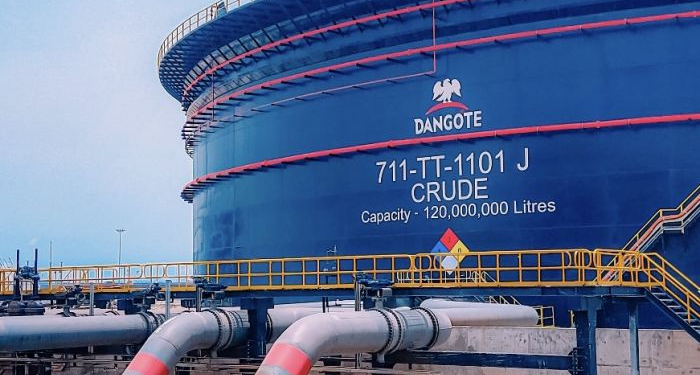
Petrol deliveries from the Dangote Refinery climbed sharply in November, offering a temporary cushion to a domestic market still heavily reliant on imports and facing rising end-of-year fuel consumption.
Fresh data from the Nigerian Midstream and Downstream Petroleum Regulatory Authority showed that local supply of petrol rose by nearly 38 per cent month-on-month, reaching 23.52 million litres a day compared with 17.08 million litres in October.
The upturn came after unusually weak delivery levels in the previous two months, when national availability slipped below the threshold required to meet demand.
Imports also increased markedly, with volumes jumping 80 per cent to 52.1 million litres daily. The rise pushed total average supply for November to 71.5 million litres a day, reflecting a mix of catch-up deliveries and efforts by the authorities to build stock ahead of the seasonal surge in consumption.
Surge in cargo arrivals boosts stockpile ahead of festive period
Officials attributed the jump in import volumes to delayed October cargoes that spilled into November, adding to aggressive stocking by NNPC Limited, which continues to serve as the supplier of last resort. Twelve vessels originally scheduled for October offloading were among those that arrived late, giving November an unusual lift in inventory.
The regulator put daily petrol consumption at 52.9 million litres last month, leaving national stock at just over sixteen days. Despite the improved supply picture, Nigeria’s four state-owned refineries remained idle, with no confirmed restart date.
NNPC’s Group Chief Executive Officer, Bayo Ojulari, said recently that the company was in discussions to bring in technical partners who would co-manage the refineries once rehabilitation progresses. He stressed that even after current repairs are completed, the plants would still fall short of modern fuel-quality standards unless a broader redesign is carried out.
He noted that products from the state facilities, in their current configuration, would lag significantly behind international specifications and would be several steps below the output from the Dangote plant. According to him, full redesigns would be required to produce fuels that are both competitive and export-ready.