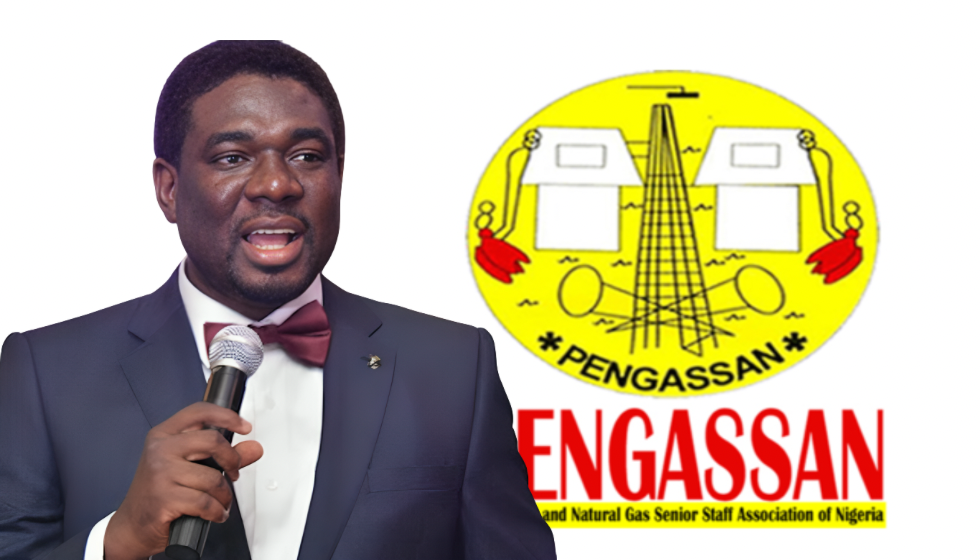
- The president of Nigeria’s main oil workers’ union proposes selling a 51% stake in state-owned refineries to private investors, not a full privatisation.
- He argues this model would attract needed investment and efficiency while letting the government retain a 49% share to protect national energy security.
- The suggestion indicates a potential alignment with reported NNPC strategies and a pragmatic union approach to attracting private capital into the struggling assets.
The head of Nigeria’s prominent oil sector union has proposed a middle path for the long-awaited restructuring of the country’s beleaguered state refineries. Festus Osifo, President of the Petroleum and Natural Gas Senior Staff Association of Nigeria, PENGASSAN, has called for the government to sell only a fifty-one per cent stake in the facilities owned by the Nigerian National Petroleum Company.
Osifo outlined his position during a television interview, arguing that a majority sale to private investors would bring in crucial capital and operational expertise while allowing the state to retain a significant minority interest. This model, he suggested, is necessary to safeguard national energy security amidst broader efforts to privatise the inefficient assets.
Balancing State Oversight with Private Sector Capital
The union leader’s proposal directly addresses one of the most contentious issues in Nigeria’s efforts to revive its refining capacity. He contends that retaining a forty-nine per cent stake would ensure the government maintains a voice in strategic decisions that affect fuel supply and pricing, without bearing the full burden of financing and management.
“Yes, there are investors who will surely be willing to buy a stake in the refinery because our population in Nigeria is quite huge,” Osifo stated.
He expressed confidence that the refineries could be profitable under competent private management, provided they are insulated from political interference and receive proper maintenance. He indicated that this fifty-one per cent sale model appears to align with the direction already being considered by the current leadership of the state oil company.
The debate over the refineries’ future has intensified since the historic commencement of operations at the giant Dangote refinery, which has reshaped market dynamics. Osifo’s comments reflect a pragmatic shift in union thinking, moving from outright opposition to privatisation towards a structured compromise that seeks to attract investment while preserving a measure of public oversight for the strategically vital assets.