KEY POINTS
- Two new gas wells at the Farigh field are now producing a combined 26 million cubic feet per day
- Waha Oil says the output will help meet Libya’s local gas demand
- The company operates as a joint venture with international energy partners
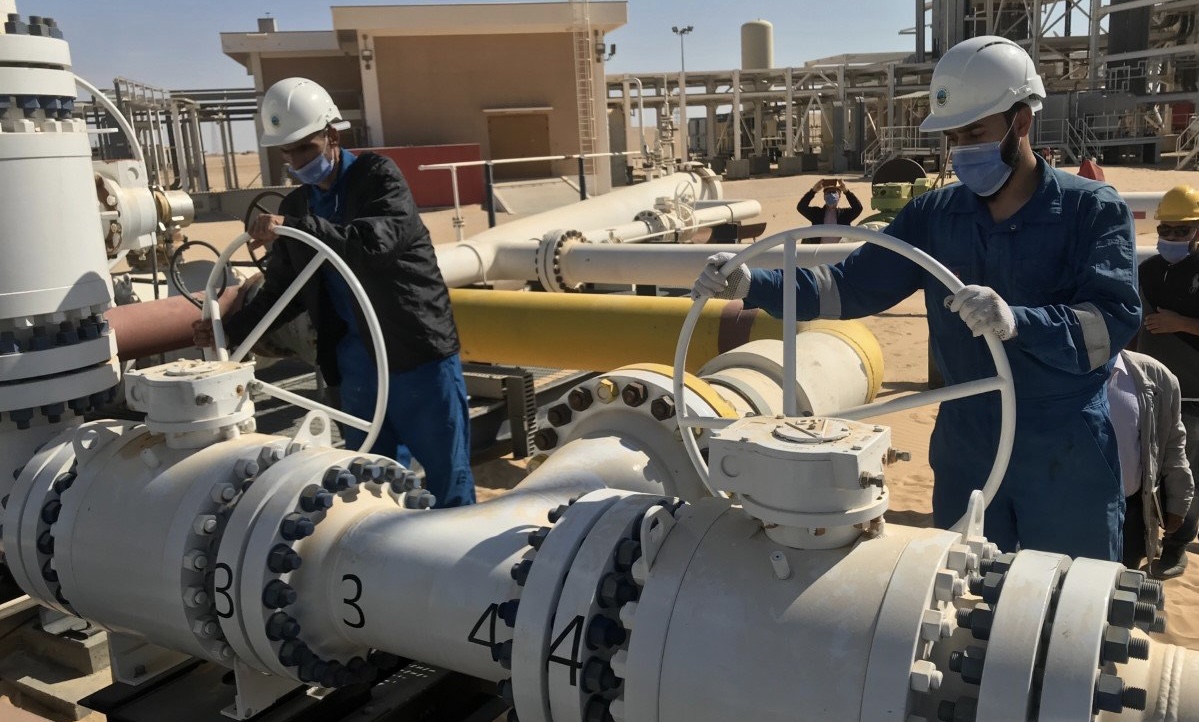
Libya’s Waha Oil Company says it has brought two new gas wells into operation at its Farigh field, marking a modest but important boost to the country’s natural gas supply.
The company, a subsidiary of Libya’s state run National Oil Corporation, NOC. said the wells were successfully brought onstream and are already producing gas for domestic use. According to a statement issued on Sunday, one well is producing about 14 million cubic feet of gas per day, while the second is delivering roughly 12 million cubic feet daily.
Waha Oil described the development as a key step toward strengthening gas availability for power generation and other local needs, at a time when Libya continues to grapple with energy shortfalls and aging infrastructure.
Focus on domestic gas supply
Officials at Waha Oil said the new production would support efforts to stabilise gas flows within the country, particularly as demand rises during peak consumption periods. Natural gas plays a central role in Libya’s electricity sector, and disruptions in supply have often translated into power outages across several regions.
The Farigh field is located in the Sirte Basin, one of Libya’s most prolific hydrocarbon regions. While the field is not among the country’s largest, incremental additions such as the new wells are seen as vital to maintaining output levels and reducing reliance on fuel imports.
Waha Oil operates the field as part of a joint venture that includes the National Oil Corporation alongside international partners TotalEnergies and ConocoPhillips. The partnership has continued to invest in selective upgrades and drilling campaigns despite Libya’s complex political and security environment.
Libya holds Africa’s largest proven oil reserves and significant natural gas resources, yet production has frequently been disrupted by conflict, protests, and funding constraints. Energy officials have repeatedly stressed the need for steady investment to reverse years of underdevelopment.
Industry analysts say even relatively small gas additions can have an outsised impact on the domestic market, where supply margins remain tight. They add that consistent progress on projects like Farigh could help rebuild confidence among foreign partners and lay the groundwork for larger scale developments.
Waha Oil did not provide a timeline for further drilling at the field but said it remains focused on projects that directly support national energy needs.