KEY POINTS
- Chevron and Quantum Energy Partners are preparing a joint bid.
- Sanctions have forced Lukoil to market its foreign assets.
- Political scrutiny remains a major hurdle to any deal.
Chevron Corp. and Quantum Energy Partners are preparing a joint bid for the international assets of Russian oil producer Lukoil, a portfolio valued at about $22 billion, according to a report by the Financial Times. The move places the US oil major and the private equity firm among a growing list of suitors circling assets reshaped by sanctions and geopolitics.
The Financial Times did not disclose details of the structure or timing of the proposal. Reuters, citing the FT report, said Chevron has been weighing an offer for Lukoil’s overseas businesses since November last year, with plans to divide the assets between the two partners if the bid succeeds.
Sanctions reshape deal landscape
Lukoil’s foreign operations were put up for sale after the United States imposed sanctions on the company and fellow Russian producer Rosneft in November. The measures cut off access to markets and financing, forcing Russian energy firms to reconsider their global footprints.
Swiss commodities trader Gunvor emerged as the first bidder but later withdrew. President Donald Trump publicly described the firm as a Russian “puppet,” comments that added political weight to an already sensitive process. Since then, interest has widened. Chevron, Exxon Mobil, Hungary’s MOL, Abu Dhabi-based International Holding Company, private equity firm Carlyle Group, and Saudi Arabia’s Midad Energy have all been cited as potential buyers of Lukoil’s international portfolio.
Carlyle had previously held talks with Lukoil, according to earlier reports, but those discussions appear to have stalled. There have been no public updates since October last year, suggesting negotiations failed to reach a breakthrough.
Assets span continents
According to OilPrice, Lukoil has also indicated a willingness to accept a separate offer submitted by a consortium led by investment bank Xtellus Partners. That proposal did not advance after US federal authorities declined to approve the transaction.
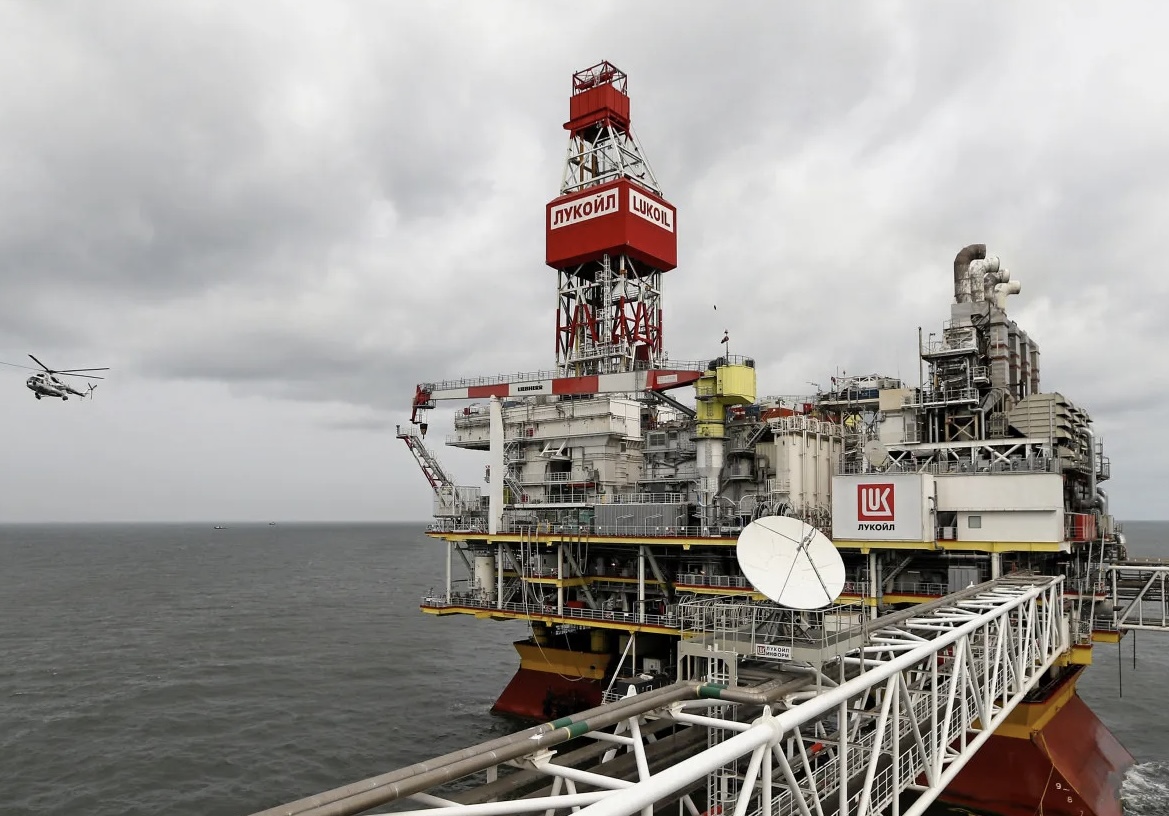
Western sanctions imposed after Russia’s invasion of Ukraine have steadily tightened around Lukoil’s operations. The company owns upstream and downstream assets across Europe, the Middle East, and Africa. These include refineries in Italy and the Netherlands, along with production stakes in Iraq, Uzbekistan, and parts of West Africa. Lukoil also runs a global network of more than 2,000 fuel stations.
For Chevron, the potential deal would mark a rare opportunity to acquire producing assets and refining capacity at scale during a period when sanctions have constrained competition. For Quantum Energy Partners, it would expand exposure to long-life oil and gas assets carved out of a complex political environment.
Any transaction would still require regulatory approval in multiple jurisdictions, with US authorities holding decisive influence over the outcome.