KEY POINTS
- Rig activity increased, but oil output missed budget targets.
- Gas production rose as flaring volumes climbed.
- Domestic refining expanded, yet supply gaps remain.
Nigeria’s oil and gas industry posted a mixed scorecard in 2025, with higher activity in parts of the value chain offset by weak crude output, rising gas flaring and unresolved tension around domestic fuel supply.
Upstream activity ticks higher
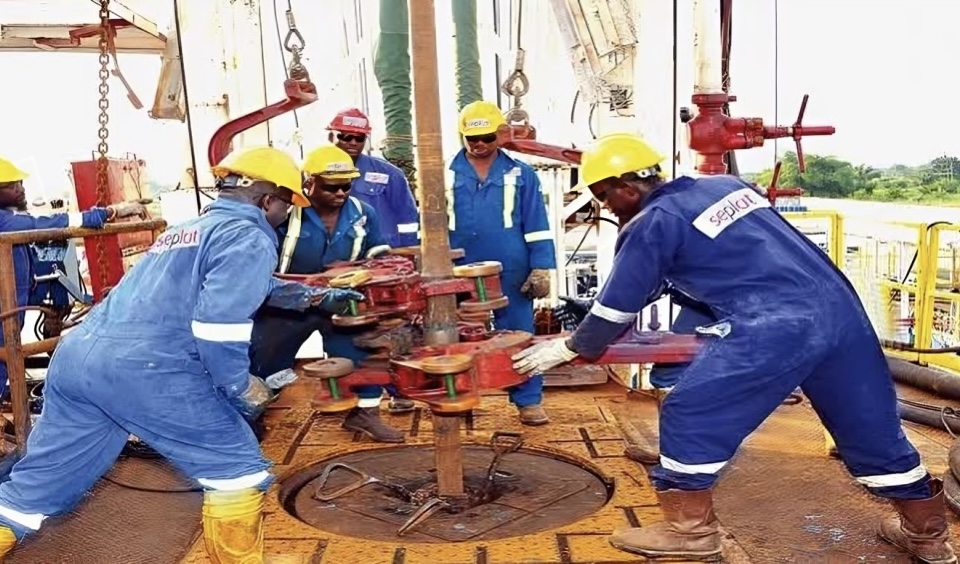
Drilling activity showed clear momentum during the year. Rig count, a key barometer for upstream work, climbed 63 percent year on year in 2025. Nigeria’s rig count rose to 18 in November from 11 a year earlier, according to the Organisation of Petroleum Exporting Countries’ Monthly Oil Market Reports. The figure was unchanged from October, suggesting momentum slowed toward year-end.
Regulators in Abuja cited higher numbers. The Nigerian Upstream Petroleum Regulatory Commission put active rigs at 40 during the period, 22 more than OPEC’s tally. Industry checks suggest the December figures are unlikely to shift the overall trend when released.
Despite higher activity, oil output remained below expectations. Nigeria produced an average of 1.5 million barrels per day of crude, including condensate, during 2025. Output reached 1.597 million barrels per day in October, up 16,000 barrels from September, according to NUPRC data. The gains still left production well short of the 2.06 million barrels per day assumed in the federal budget.
OPEC, which excludes condensate, said Nigeria missed its 1.5 million barrel quota for much of the year. Output slipped to 1.486 million barrels per day in November, down from 1.496 million barrels in October.
Gas gains meet setbacks
Gas production rose, but so did flaring. Nigeria produced 6,997 million standard cubic feet per day in October, up from 6,284 mmscf/d in September, based on NNPC Ltd data. The increase supported power plants, factories and export facilities.
Flaring moved in the opposite direction. NUPRC data showed flared volumes rose 10 percent month on month to 16.679 mmscf in September. That accounted for 8.72 percent of total output. Year on year, flaring increased seven percent, with cumulative losses valued at about $451 million.
According to Vanguard, to address this, the regulator issued flare gas permits to 28 companies under the Nigerian Gas Flare Commercialisation Programme. Forty-two bidders secured 49 flare sites, with plans to capture up to 300 mmscf/d and cut about six million tonnes of carbon dioxide emissions each year. The programme is expected to attract as much as $2 billion in investment.
Local content also improved. Participation by Nigerian firms rose to 61 percent from 56 percent, with a target of 70 percent by 2027, according to the Nigerian Content Development and Monitoring Board.
Downstream pressures persisted. The Dangote refinery supplied large volumes of petrol, though regulators said total domestic refining still fell short of demand, requiring imports. Disputes over supply capacity and regulation spilled into public view and ended with senior regulatory exits.
Industry groups say progress upstream has not been matched downstream, leaving Nigeria’s energy transition uneven.