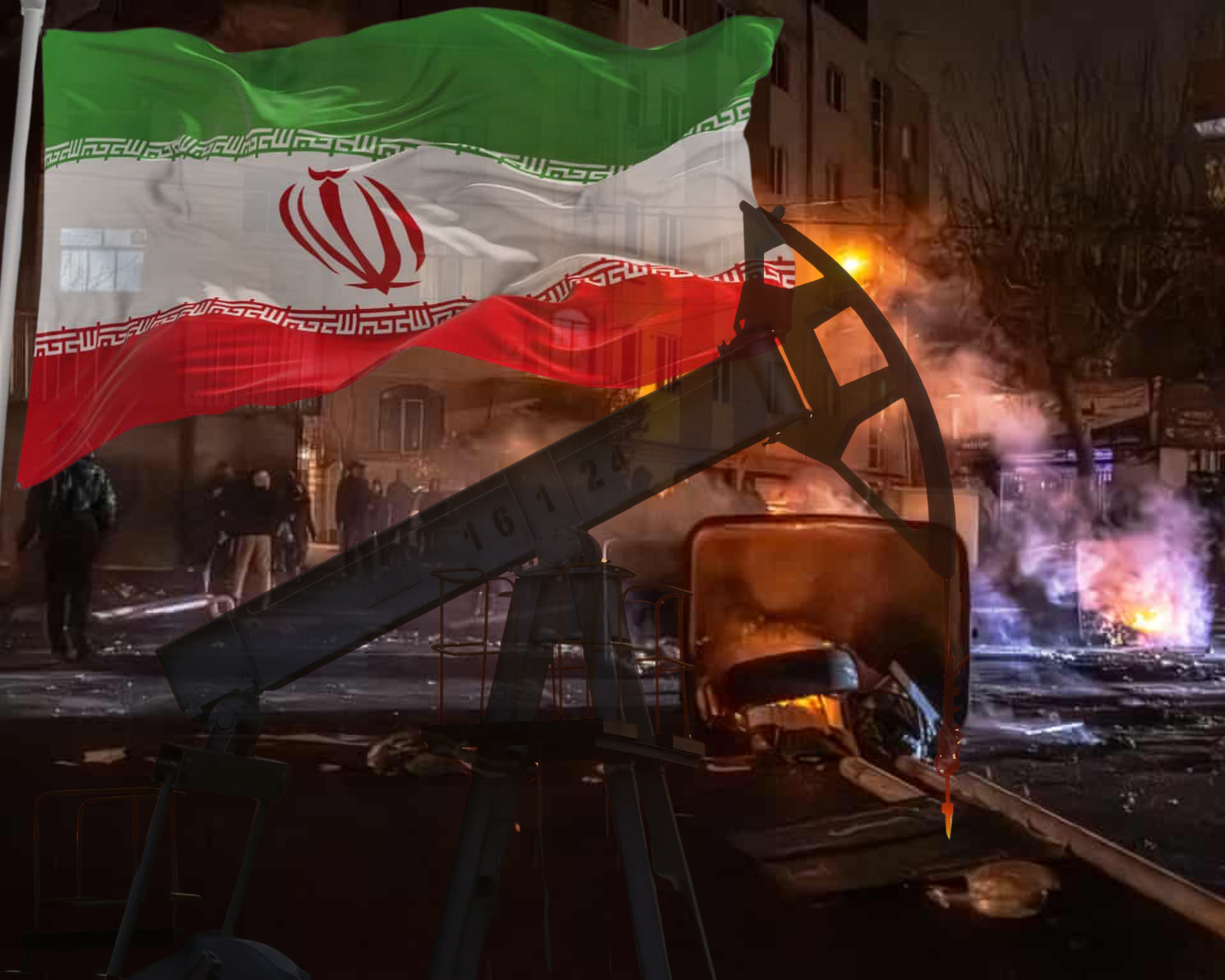
KEY POINTS
- Oil prices rose as unrest spread across Iran.
- Traders priced in risks of U.S. intervention.
- Supply fears outweighed surplus expectations.
Oil prices extended gains early Tuesday as traders focused on escalating unrest in Iran and the possibility of U.S. involvement that could disrupt supplies from the world’s most critical oil-producing region.
Iran tensions drive markets
West Texas Intermediate crude traded near $59.74 a barrel at the time of writing, up about 0.4 percent on the day. Brent crude hovered around $64.09, about 0.34 percent higher. Both benchmarks have climbed nearly 6 percent over the past week as geopolitical risk returned to the center of oil trading.
The price move followed mounting unrest across Iran, where protests that began over economic grievances have widened into broader political demands. Demonstrations have spread across major cities, while a government-imposed internet blackout has limited communication and independent reporting. The scale of the unrest has raised concerns among investors about stability in a country that holds some of the world’s largest oil reserves.
Reports from rights groups and regional media indicate that more than 500 protesters have been killed and over 10,000 arrests made since demonstrations intensified. Those figures have sharpened attention on Washington, where President Donald Trump has said he may intervene to protect peaceful protesters. Iran’s foreign minister has warned that the country is prepared for conflict, while urging the U.S. to pursue dialogue rather than military action.
Supply fears meet surplus outlook
Iran has taken steps to shield its oil exports from rising geopolitical pressure. Data from shipping trackers show the country has increased the volume of crude stored at sea, pushing floating storage to record levels in recent weeks. Traders view the move as a way to preserve export flexibility should sanctions tighten or shipping routes face disruption.
According to Reuters, Trump has already announced a 25 percent tariff on countries that continue doing business with Iran. Analysts say the measure adds strain to Iranian exports and could eventually weigh on production if buyers step back. Any sustained decline in Iranian output would tighten supply in a market already sensitive to Middle East risks.
Still, expectations of a crude surplus this year continue to temper bullish sentiment. Forecasts point to excess supply, especially if Venezuelan production returns after the removal of President Nicolas Maduro. That outlook has kept some investors cautious, even as prices rise.
Geopolitics has repeatedly overshadowed fundamentals over the past year. Oil markets remain elevated despite the absence of confirmed physical supply disruptions. Traders now face a familiar question. How long Iran-related risks can support prices without a decisive escalation or de-escalation remains uncertain.