KEY POINTS
- Seplat has started gas production at the ANOH project weeks after Heirs Energies took a $500 million stake in the company.
- Initial output is supplying industrial users, with capacity expected to rise toward 300 million cubic feet per day.
- The project strengthens Nigeria’s gas supply and highlights increasing African investment in major energy assets.
Seplat Energy has begun commercial gas production from its Assa North Ohaji South, or ANOH, gas project, only weeks after Nigerian businessman Tony Elumelu’s Heirs Energies acquired a nearly $500 million stake in the company.
The start up follows regulatory clearance from the Nigerian Upstream Petroleum Regulatory Commission on Jan. 16, 2026, and the completion of an 11 kilometre export pipeline linking the facility to end users. Four upstream wells that had been shut since November were brought back online, allowing gas deliveries to begin almost immediately.
Initial supplies are flowing to Indorama’s petrochemical complex, reinforcing gas availability for industrial use at a time Nigeria is pushing to deepen domestic gas consumption.
Production ramps up toward full capacity
Since it started up, ANOH has been producing between 40 million and 52 million standard cubic feet of wet gas per day. The average amount of condensate produced each day is between 2,000 and 2,500 barrels of oil equivalent.
Seplat thinks that as operations get better, volumes will steadily rise until they reach the plant’s full capacity of 300 million cubic feet per day. The company also plans to sell processed gas to Nigeria LNG under an interruptible agreement, which will help it grow in the export gas market.
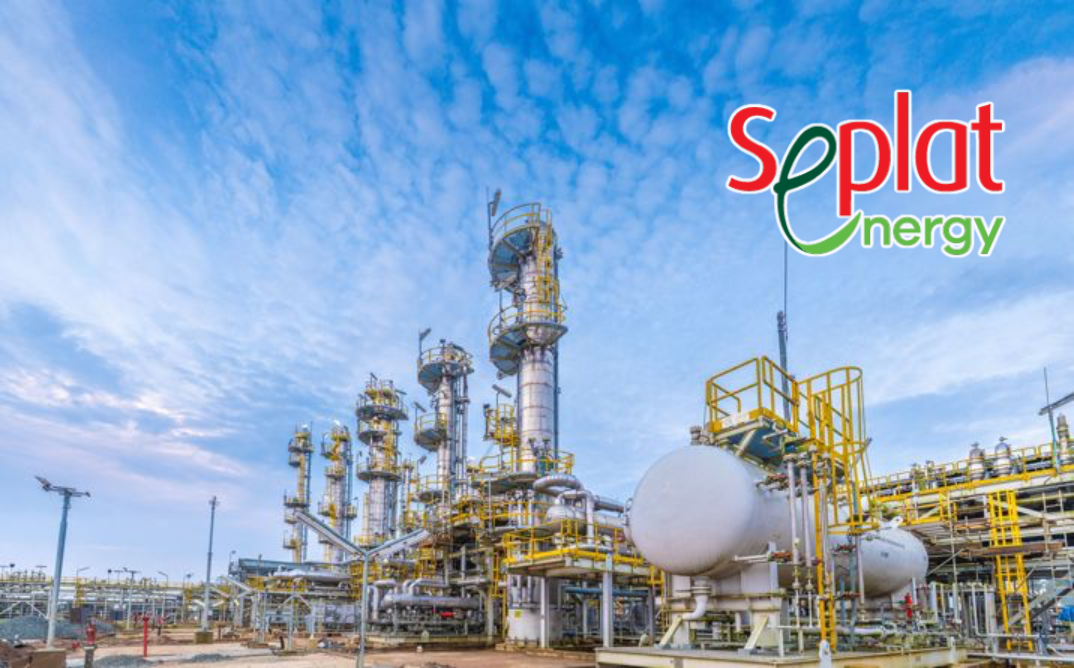
Seplat Energy and the Nigerian Gas Infrastructure Company run the ANOH facility together. It has two processing trains that can handle 300 million cubic feet of gas per day, liquefied petroleum gas recovery units, condensate stabilization facilities, and a 16 megawatt power plant.
The project doesn’t have any regular flaring, which is in line with Seplat’s program to cut down on flaring on land. Seplat owns half of the ANOH Gas Processing Company and makes money by selling gas and getting dividends.
In addition to industrial gas, ANOH also helps Seplat’s liquefied petroleum gas supply chain. It works with output from the Sapele plant and the Bonny River Terminal to support Nigeria’s domestic cooking gas market.
Roger Brown, the CEO, said that the ANOH start up increases Seplat’s onshore gas processing capacity to more than 850 million cubic feet per day. He said that the plant was the first of seven government-backed gas projects to start working, and that it would directly help power generation and industrial growth.