KEY POINTS
- Eni sells a 10 percent Baleine stake to SOCAR.
- Eni remains operator of the offshore project.
- Baleine output is set to rise sharply.
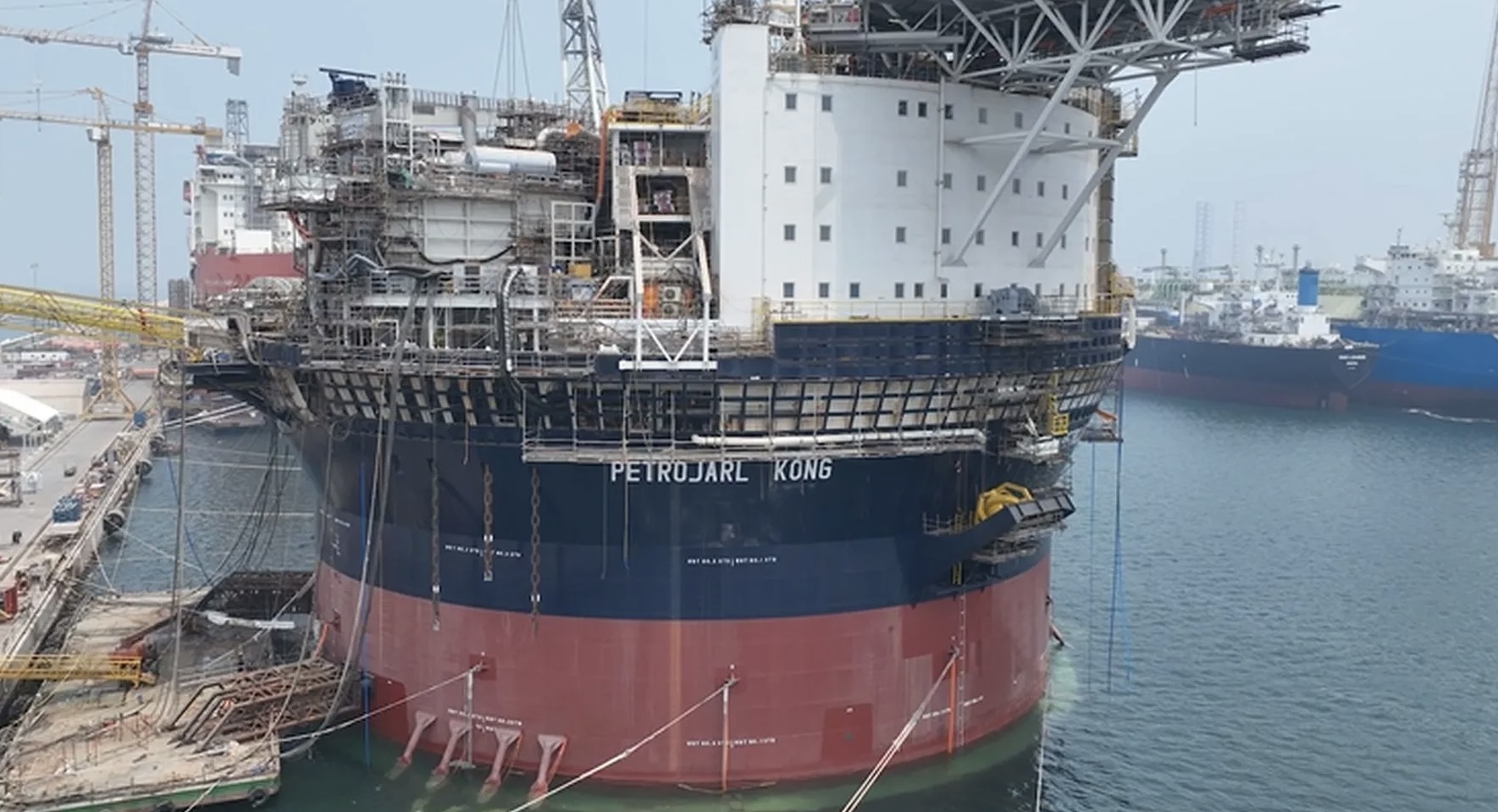
Italy’s energy major Eni has agreed to sell a minority stake in Côte d’Ivoire’s Baleine offshore oil and gas project, bringing Azerbaijan’s state-owned oil company SOCAR into the country’s largest energy development as a new partner.
In a statement on the transaction, Eni said SOCAR will acquire a 10 percent interest in the Baleine project, subject to regulatory approvals and other customary closing conditions. Financial terms of the deal were not disclosed.
The transaction alters the ownership structure of the Baleine development while leaving Eni firmly in control of operations. Following completion, Eni will retain a 47.25 percent stake and remain operator. Vitol will continue to hold 30 percent, while Côte d’Ivoire’s state oil company Petroci will maintain its 22.75 percent interest.
Eni said the divestment aligns with its upstream portfolio strategy, which centres on partially monetising exploration discoveries after development milestones are reached, while preserving operatorship and long-term exposure to production.
Portfolio strategy shapes the deal
Baleine was discovered in 2021, more than two decades after Côte d’Ivoire’s previous commercial offshore find. The project reached first production in 2023, marking a turning point for the country’s offshore sector.
Eni said the sale to SOCAR follows its dual exploration model, under which the company reduces capital exposure by introducing partners after discoveries are confirmed and early development phases are completed. Capital freed up through such transactions is redeployed into new exploration and development opportunities, while Eni maintains operational oversight of priority assets.
The deal also deepens ties between Eni and SOCAR. The companies signed three memoranda of understanding in 2024 covering cooperation in hydrocarbon exploration and production, energy security initiatives, greenhouse gas emissions reduction, and the development of biofuel supply chains.
Eni described Baleine as its first development in Côte d’Ivoire and said the project was designed with emissions management in mind. Production systems prioritise gas utilisation and efficiency to limit operational emissions.
Baleine boosts domestic energy supply
The Baleine field currently produces more than 62,000 barrels per day of oil and over 75 million cubic feet of gas per day from its first two development phases. Output supplies domestic demand while supporting exports.
Eni said Phase 3 of the project is expected to raise production capacity to about 150,000 barrels per day of oil and 200 million cubic feet of gas per day. Higher volumes are expected to strengthen Côte d’Ivoire’s energy balance, support electricity generation, and reduce reliance on imported fuels over the medium term.
Increased production is also expected to bolster government revenues and industrial activity as the country expands its role in regional energy markets.
The Baleine divestment follows Eni’s recent inauguration of its second floating liquefied natural gas unit in Mozambique’s Rovuma basin, underlining the company’s continued focus on gas-led developments across Africa.