KEY POINTS
- NRC plans to introduce LNG-powered trains following a successful one-month pilot.
- Nigeria’s rail network is expected to grow from 4,000km to 10,000km within five years.
- Private-sector investment and partnerships are central to funding rail expansion.
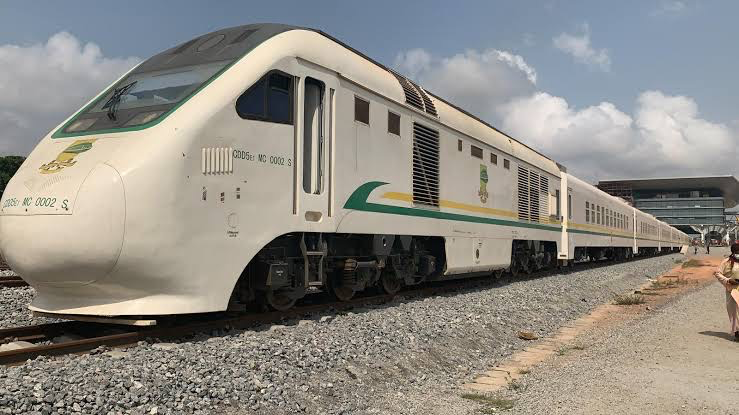
The Nigerian Railway Corporation, NRC, has announced plans to deploy Liquefied Natural Gas, LNG-powered trains and expand Nigeria’s rail network to 10,000 kilometres within the next five years, as gas infrastructure becomes available along major rail corridors.
Managing Director of the NRC, Dr. Kayode Opeifa, disclosed this during a televised interview, revealing that the corporation has completed its LNG concept phase and successfully demonstrated the technology for one month.
According to him, the next step is to integrate gas-powered systems on the Lagos–Ibadan and Warri–Itakpe corridors, where gas supply is readily accessible.
“As soon as gas systems are in place on these corridors and regulatory issues are resolved, we will use gas to generate electricity to power trains and also move gas products,” Opeifa said.
He explained that the shift to LNG supports Nigeria’s gas expansion agenda, reduces operating costs, and improves energy security within the rail sector.
Nigeria’s Rail Network to More Than Double
Opeifa said Nigeria currently has about 4,000 kilometres of rail tracks, but the corporation is targeting an increase to 10,000 kilometres within five years.
Beyond that, the long-term plan is to expand the network to roughly 20,000 kilometres over the next 18 to 20 years.
He described the target as essential for driving economic growth, improving national connectivity, and reducing dependence on road transport.
The NRC boss stressed that government funding alone cannot deliver the scale of expansion envisioned, making private-sector participation critical.
“Our doors are open for concessioning and other partnerships. The government is willing to provide sovereign guarantees, as is done globally, because our budget alone cannot fund the rail system,” he said.
Opeifa added that private operators are already being licensed to run services on NRC tracks, with about 28 logistics companies currently authorised to move goods from Apapa Port.
He clarified that CCEC Nigeria Limited, a local company, is among licensed operators, not its Chinese parent firm.