KEY POINTS
- Libya’s NOC and Hungary’s MOL Group signed a strategic MoU to explore cooperation across exploration, production, technology, oilfield services, and crude trading.
- The non-binding agreement creates a framework for future technical and commercial collaboration.
- The deal supports Libya’s broader push to attract international partners and strengthen its oil and gas sector.
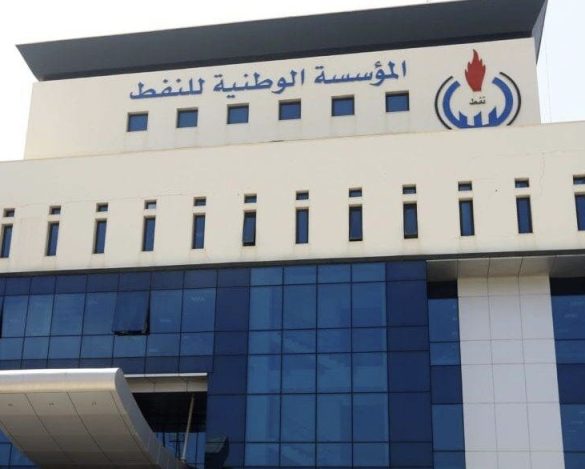
Libya’s National Oil Corporation, NOC, has signed a strategic memorandum of understanding (MoU) with Hungary’s MOL Group to explore new areas of cooperation in the oil and gas industry, as Libya intensifies efforts to expand international partnerships and revitalise its energy sector.
The agreement was signed in Budapest by MOL Group Chief Executive Officer, Zsolt Hernádi, and NOC Chairman, Masoud Suleiman. It establishes a formal framework for information exchange and future collaboration across several segments of the energy value chain.
Under the MoU, both parties will consider cooperation in hydrocarbon exploration and production, technology development, oilfield services, as well as crude oil supply and trading. Although the agreement is non-binding, it provides a platform for technical and commercial engagement between the two companies.
Hernádi described Libya’s energy sector as a strong growth driver, noting that the partnership could broaden MOL Group’s international footprint while delivering shared economic benefits.
Boosting Libya’s Energy Recovery
For Libya, the deal aligns with NOC’s strategy to attract foreign expertise, diversify partnerships, and support the long-term recovery and stability of the oil and gas sector. Libya holds Africa’s largest proven crude oil reserves, and cooperation with established international operators is considered crucial to maintaining production levels and upgrading infrastructure.
MOL Group currently operates exploration and production assets in nine countries and has active production in eight, including Egypt, Iraq, and Azerbaijan, making Libya a potential new addition to its portfolio.
The signing reflects expanding diplomatic engagement between Libya and European partners, particularly in energy security, investment, and technical cooperation. While no specific projects were announced, both sides indicated readiness to advance discussions as commercial and regulatory conditions permit.