KEY POINTS
- Tinubu has approved and gazetted investment-linked incentives for Shell’s Bonga South-West deep-offshore project, but details remain undisclosed.
- Experts say confidentiality is common at early stages of offshore negotiations, though prolonged opacity could hurt public trust.
- The Bonga South-West project is seen as a key test of Nigeria’s ability to attract new deep-offshore investment and reverse declining production.
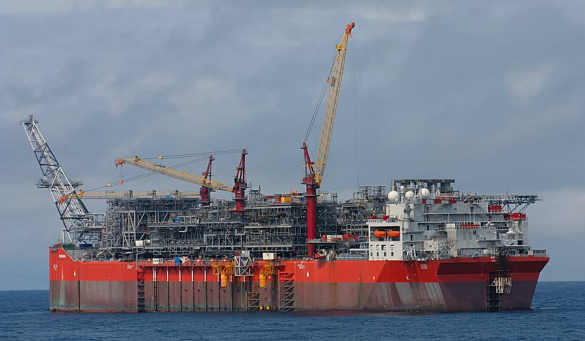
President Bola Tinubu’s approval to gazette targeted, investment-linked incentives for Shell’s Bonga South-West (BSW) deep-offshore oil project has generated strong interest across Nigeria’s energy industry, even as key details of the package remain undisclosed weeks after the announcement.
While the Presidency confirmed the approval, neither the Nigerian Upstream Petroleum Regulatory Commission (NUPRC) nor the President’s energy advisory team has provided information on the scope, duration, or conditions of the incentives.
The lack of clarity has left investors, analysts, and policymakers searching for signals, against the backdrop of Nigeria’s long-standing struggle to attract fresh capital into deep-offshore oil developments.
Experts say confidentiality is not unusual
Industry observers say the absence of immediate disclosure reflects the complexity of structuring fiscal terms for large-scale offshore projects, which often involve lengthy technical and commercial negotiations.
The Chief Executive Officer of the Centre for the Promotion of Private Enterprise (CPPE), Dr. Muda Yusuf, described the move as encouraging, pointing to the President’s focus on mobilising upstream investment.
He noted that although details are not yet public, Nigeria faces stiff competition from other oil-producing countries, making attractive incentives essential for securing international oil company commitments.
Similarly, a former senior engineer at the NUPRC said investment-linked incentives are typically finalised only after extensive project evaluation, adding that such benefits are usually tied to measurable milestones such as final investment decisions (FID), production targets, or local content achievements.
Government seeks to reassure offshore investors
Energy policy analysts believe the incentives are designed to signal Nigeria’s renewed openness to big-ticket offshore investments, particularly as the country seeks to reverse years of underinvestment in deep-water assets.
According to Abuja-based analyst Dr. Abdulmumeen Kundir, the incentives are aimed at reassuring Shell and other potential investors that Nigeria is serious about improving the investment climate.
However, he and other commentators stress that commercial sensitivity must eventually give way to transparency, so Nigerians understand what concessions are being offered and what the country stands to gain.
Governance and extractives transparency advocate Bunmi Awosusi warned that prolonged secrecy could fuel speculation and undermine public trust, even if confidentiality is justified at early stages.