KEY POINTS
- ExxonMobil commissioned a third advanced recycling unit at its Baytown refinery, boosting plastic-waste processing capacity.
- The facility can now process about 250 million pounds annually, supporting the company’s global recycling target of 450 million pounds.
- The move reflects a wider industry shift toward sustainable refining technologies amid evolving global energy strategies.
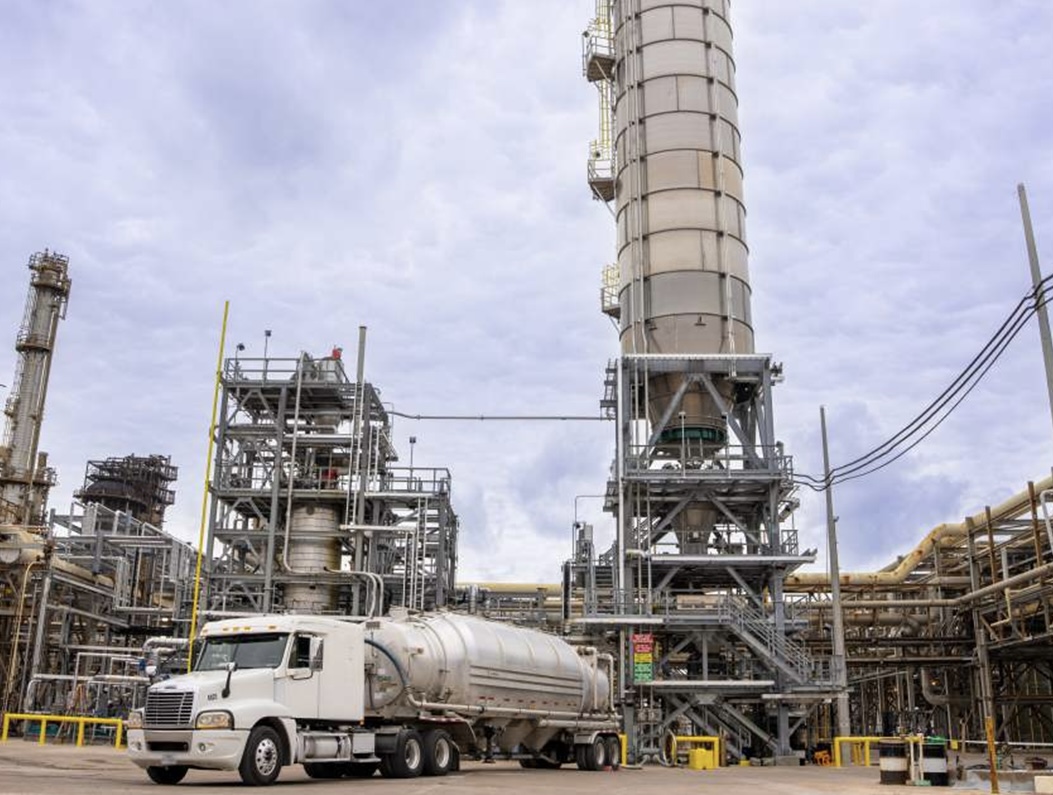
ExxonMobil has commissioned a third advanced plastics-recycling unit at its Baytown refinery complex, marking a major expansion of its waste-processing capabilities.
The new unit increases the site’s ability to convert plastic waste into usable raw materials for fuels and new plastic products, reinforcing the company’s strategy to integrate sustainability with refining operations.
With the addition of the new unit, the Baytown complex can now process about 250 million pounds of plastic waste annually. ExxonMobil says it remains on track to reach a total global advanced-recycling capacity of 450 million pounds per year across its international facilities before the end of 2026.
Executives describe advanced recycling as a key technology for managing hard-to-recycle plastics while supporting a circular economy and reducing environmental impact.
Expansion comes amid broader strategic energy moves
The commissioning follows a period of global strategic positioning by the company. During a high-level meeting convened by Donald Trump with major U.S. energy executives, discussions reportedly included a proposed $100 billion industry commitment to revive Venezuela’s oil sector. ExxonMobil’s leadership, however, characterized the country as currently “uninvestable,” citing regulatory and political risks, though it has sent a team to assess conditions on the ground.
Since the oil industry was nationalised under Hugo Chavez, most U.S. energy companies exited Venezuela, leaving Chevron as one of the few still operating there.
Refineries worldwide are increasingly adopting advanced recycling units to address environmental concerns and comply with tightening sustainability expectations. ExxonMobil noted that supportive public policy and clear regulatory standards will be essential for scaling such technologies globally.
The company is also expanding its international refining portfolio through partnerships, including projects with Saudi Aramco and other global operators, positioning itself as a major player in next-generation refinery innovation.