KEY POINTS
- A surge in LPG imports has boosted supply and pushed cooking gas prices toward N1,000/kg.
- Households are seeing relief after months of high prices caused by earlier shortages.
- Experts say sustained imports and stable logistics will determine whether prices keep falling.
Cooking gas prices across Nigeria are beginning to decline following a sharp rise in imports that has increased supply in local depots, according to new data released by the Nigerian Midstream and Downstream Petroleum Regulatory Authority.
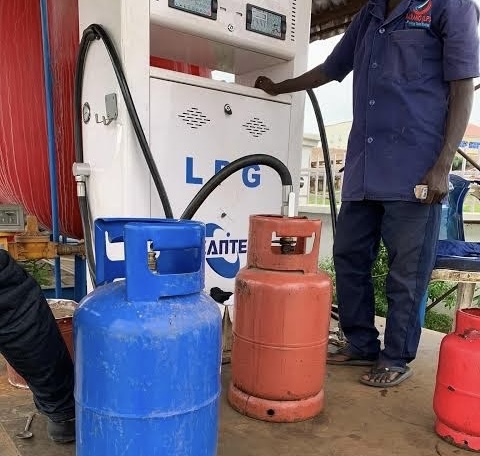
The influx of imported liquefied petroleum gas has eased pressure in the domestic market, allowing retail prices to gradually fall toward the N1,000-per-kilogram mark. Analysts say this development offers relief to households that struggled with soaring energy costs just months ago, when prices spiked during a supply crunch.
Industry data indicates that the recent import wave has significantly boosted available stock nationwide, helping distributors replenish supply chains and stabilise retail outlets. With more products in circulation, sellers have less incentive to inflate prices, leading to a cooling effect across the market.
Energy observers note that the turnaround is notable because it comes only about five months after a severe price surge that strained family budgets and forced many households to ration gas use or switch to alternative fuels.
Regional Price Differences Remain
Despite the general decline, price disparities persist between states. Earlier data showed that residents of Rivers State and Gombe State paid some of the highest rates for cooking gas in September, reflecting transportation costs, distribution challenges, and local supply gaps.
Experts say these regional variations may continue unless infrastructure improvements make distribution more efficient nationwide.
Market watchers believe prices could stabilise further if import volumes remain high and domestic distribution networks operate smoothly. However, they warn that any disruption in supply logistics or foreign exchange access could reverse the downward trend.
For now, the increased availability of LPG is seen as a positive signal for both consumers and businesses, especially food vendors and small restaurants that depend heavily on gas for daily operations.