KEY POINTS
- Vitol backs consortium planning $3bn LNG to power project at Durban port
- Project granted Strategic Integrated Projects status to fast track approvals
- Plant could deliver up to 1,800 MW and support broader gas distribution
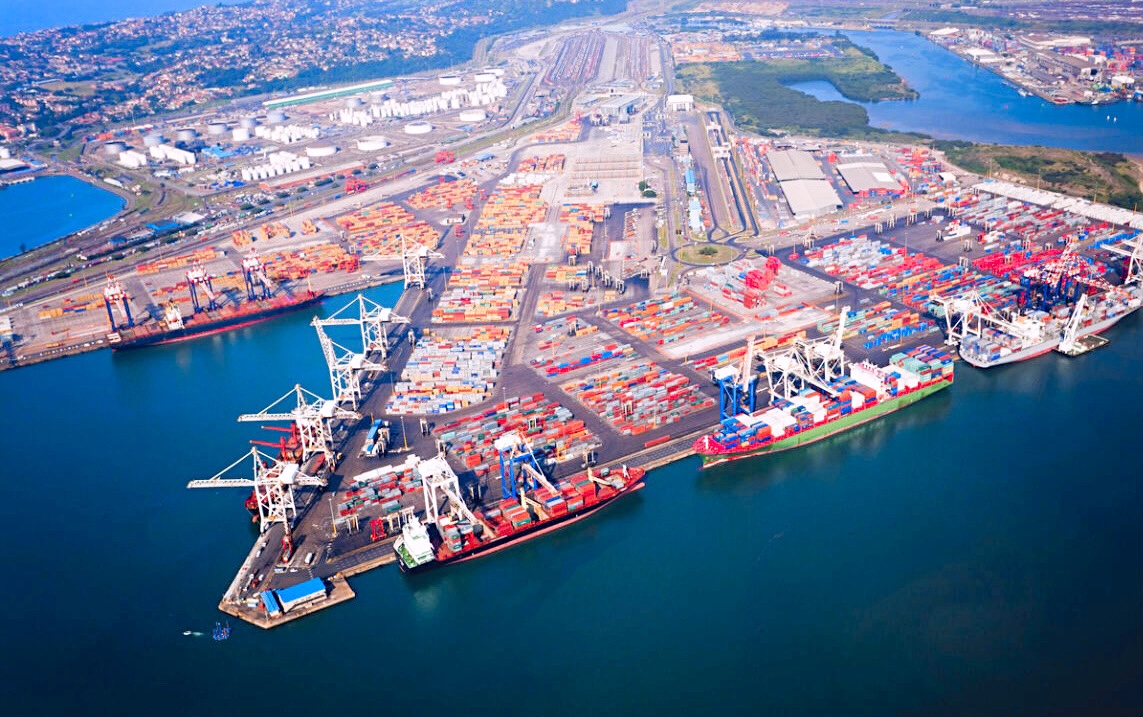
Global commodity trader Vitol is backing a consortium seeking to build a $3 billion gas fired power station and liquefied natural gas import terminal at South Africa’s Durban port, marking a significant move in the country’s shift away from coal.
A spokesperson for Vitol confirmed the company’s involvement, saying the consortium also includes Saudi Arabia’s ACWA Power, Vitol subsidiary Vivo Energy and terminal operator VTTI. Vivo Energy merged with Engen in 2024, strengthening its footprint in the South African fuels market.
South Africa is increasingly looking to gas as a bridge in its energy transition. Coal currently supplies the bulk of electricity to Africa’s most industrialised economy, but policymakers want to diversify generation and improve reliability. The government is targeting 16 gigawatts of new gas fired capacity by 2039.
Consortium outlines large scale gas vision
In documents submitted to South African lawmakers and seen by Reuters, Vivo Energy and Engen South Africa said they are advancing plans for a combined cycle gas turbine plant with capacity ranging from 1,000 megawatts to 1,800 megawatts. The development would include associated LNG import infrastructure at Durban.
About 20 hectares of land have been reserved under the Durban marine terminal master plan for the project, according to the submission. The documents did not specify a construction timeline, total gas volumes required or final investment schedule.
ACWA Power, which is already a major investor in solar and hybrid energy projects in South Africa, did not immediately respond to requests for comment.
Fast track status from government
The project received Strategic Integrated Projects status from the South African government in September, according to officials and company representatives. That designation is intended to speed up major infrastructure investments by streamlining licensing and regulatory processes.
According to Engineering News, a Vitol spokesperson said the estimated cost is around $3 billion but declined to provide details on timing. The company also said it was too early to determine the likely sources of LNG cargoes for the facility.
The proposed development has not previously been reported.
Beyond power generation
According to a source familiar with the plans, the project’s scope extends beyond electricity generation. It aims to distribute regasified LNG through the Lilly gas pipeline linking Secunda and Durban, supply LNG by truck to off grid industrial and mining operations, and offer LNG bunkering services for shipping.
Such an integrated approach could help stimulate broader gas use in South Africa’s industrial base while supporting cleaner marine fuels at the busy Durban port.