KEY POINTS
- Burundi inaugurated five solar-powered health facilities to tackle chronic power disruptions.
- A second phase will expand the project to nine more hospitals by April 2026.
- The initiative aims to improve patient care while reducing carbon emissions.
Burundi has inaugurated its first five solar powered and digitally monitored health facilities. The move marks a step toward stabilising electricity supply in the country’s healthcare system.
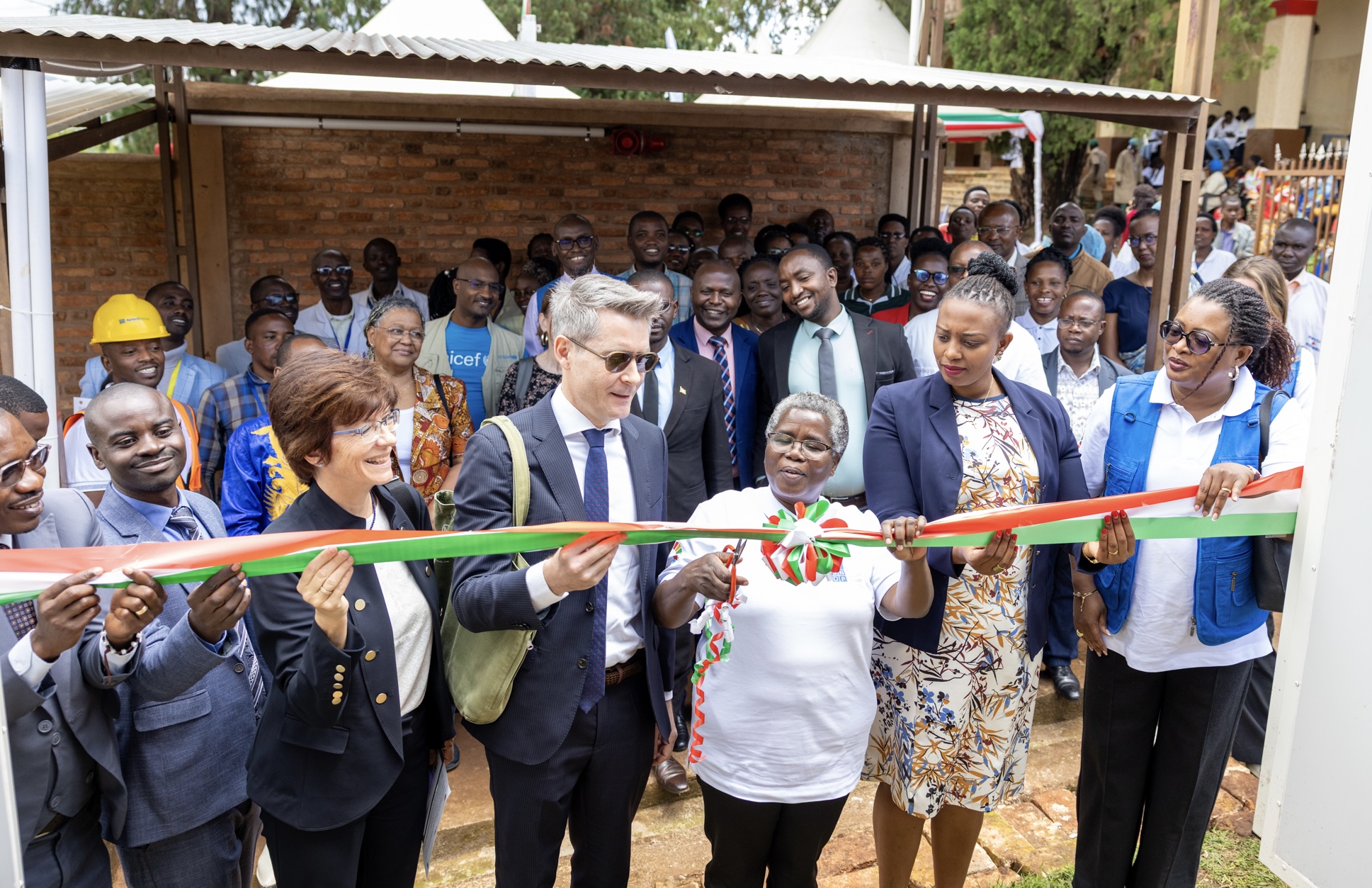
The installations were unveiled on February 10 at Kibumbu District Hospital. Minister of Public Health Lyduine Baradahana attended the ceremony. Representatives from the United Nations Development Programme, the Global Fund and local partners were also present.
Officials say the systems are meant to address chronic power cuts that have disrupted medical services for years.
Tackling power cuts in district hospitals
Many health facilities in Burundi struggle with unreliable electricity. Power outages often disrupt treatment and damage equipment.
The new systems are part of the UNDP Smart Facilities for Health initiative. The model combines solar panels, battery storage and digital monitoring tools.
UNDP Green Energy Analyst Coralie Kowalski said stable electricity is essential for safe care.
“When electricity fails, patient care is put at risk. These installations ensure health services continue without interruption and patients receive safe, reliable care at all times,” she said.
Each of the five hospitals now receives between 16 and 17 hours of backup power daily. Solar energy supplies between 50 percent and 90 percent of each site’s electricity needs, depending on location.
Officials say the systems will protect critical services and reduce fuel costs over time.
Expansion through a second phase
The programme is being rolled out in two phases. Phase one covers the first five hospitals and is now complete.
Phase two will extend the project to nine additional district hospitals. These sites were selected because of their energy challenges and role in national service delivery.
Each hospital in phase two will receive a hybrid system. The setup includes 45 kilowatt peak solar capacity and 115 kilowatt hour battery storage. Backup power will range from 12 to 25 hours, based on demand.
Commissioning of the second phase is expected in April 2026.
When completed, the programme will cover 14 health facilities. That represents about 20 percent of Burundi’s district hospitals. Officials estimate the systems will cut more than 548 tonnes of carbon dioxide emissions each year.
UNDP Resident Representative Emma Anoh said phase one required about 943,885 dollars in funding. Phase two will require nearly 1.67 million dollars more.
The project is part of a wider 2.21 million dollar health modernisation effort supported by the Global Fund to Fight AIDS, Tuberculosis and Malaria. Improved power supply is expected to support treatment for more than 13,500 people living with HIV, over 680 malaria cases and more than 220 tuberculosis patients.
A response to limited electricity access
Burundi has one of the lowest electrification rates in the world. World Bank data shows that only about 12 percent of the population has access to electricity. Access in rural areas is much lower.
The national grid relies mainly on small hydropower plants and electricity imports. The system often faces shortages and outages.
Development agencies say decentralised solar systems offer a practical solution for hospitals and schools, and the solar programme could help strengthen public services while improving resilience in the health sector.