

KEY POINTS
- Eskom says installing emissions-reduction equipment at Medupi would cost far more than the health benefits gained.
- The stance could violate conditions tied to a multibillion-dollar World Bank loan.
- Environmental analysts warn the study may underestimate health risks for millions living in nearby urban areas.
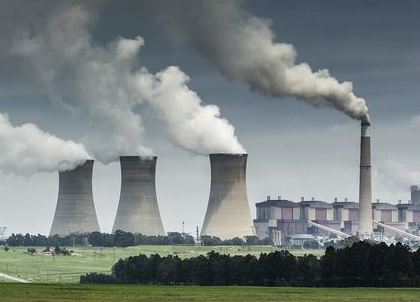
South Africa’s state-owned power utility, Eskom Holdings SOC Ltd., has sparked controversy after releasing a study arguing that installing emissions-cutting technology at its Medupi facility would be too expensive.
The company estimates that fitting wet flue-gas desulfurization systems would cost about 383 billion rand ($24 billion) through the plant’s projected lifespan to 2071.
The utility secured a $3.75 billion loan in 2010 to complete the Medupi Power Station, one of the world’s largest coal-fired plants, on the condition that pollution-control equipment be installed.
Although Eskom previously negotiated a deadline extension to 2027, its new findings suggest it may reconsider the commitment, potentially breaching loan terms. The lender has not yet issued a formal response.
Health Debate and Criticism From Analysts
Sulfur dioxide emissions are linked to respiratory illness and acid rain. Critics, including researchers at the Centre for Research on Energy and Clean Air, argue the study underestimates health impacts by excluding major population centers from its analysis. They note that pollution drifting into Gauteng, home to about 16 million people, could still cause widespread health harm even at lower concentrations.
Instead of installing the costly technology, Eskom proposes a 5.1 billion-rand clean-cooking program for nearby communities to replace coal-burning stoves. The company claims the health benefits of this approach could outweigh costs by more than 30 times and significantly reduce household air pollution.