

KEY POINTS
- Eskom threatens 14 municipalities in South Africa with electricity cuts over unpaid bills and financial risks.
- Municipalities have an opportunity to make representations under the PAJA process before action is taken.
- Eskom warns continued nonpayment will force credit control measures, including possible scheduled supply interruptions.
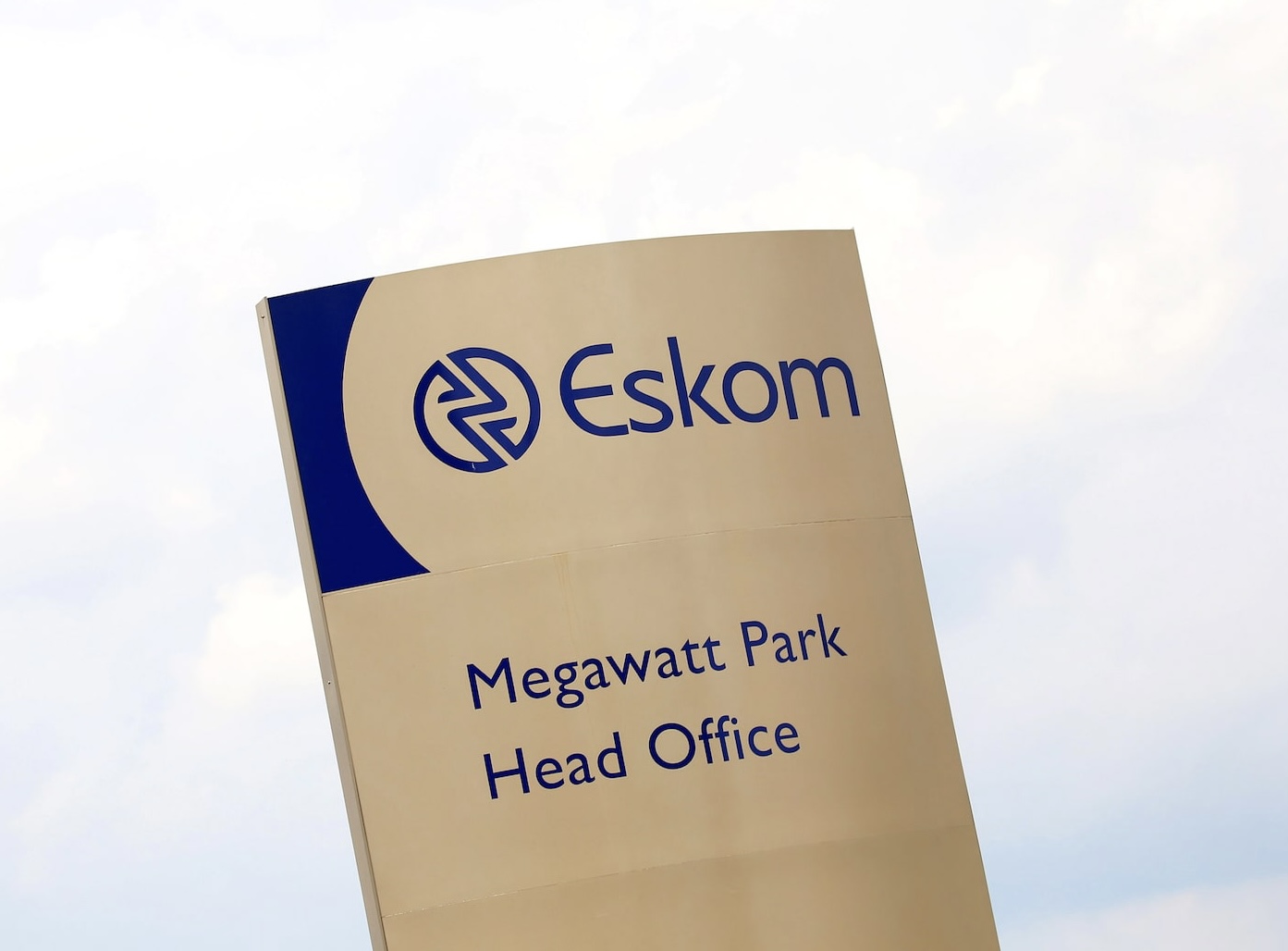
Eskom, South Africa’s state-owned electricity provider, has started issuing formal notices to 14 municipalities over unpaid electricity bills and financial mismanagement.
The affected municipalities are being given a chance to respond and make representations under the Promotion of Administrative Justice Act before Eskom takes further action.
The municipalities identified have either failed to settle accounts for at least 18 months, not complied with conditions of the National Treasury municipal debt relief programme, or pose a significant financial risk to Eskom. Municipal arrears across the country have now exceeded R110 billion, despite the debt relief measures aimed at suppressing interest and providing municipalities with space to meet ongoing obligations.
Impact on electricity supply and financial stability
Eskom officials warned that the persistent rise in arrears threatens the utility’s financial viability and could affect the delivery of electricity to communities.
Agnes Mlambo, Eskom’s Group Executive of Distribution, said the utility must act decisively to maintain operational stability and support its developmental mandate, which includes helping businesses remain competitive and communities thrive.
The PAJA process allows municipalities to present representations or proposals that may assist in finding a sustainable solution.
Eskom emphasized that supplying electricity without payment is unsustainable and that it has no choice but to initiate this process unless the municipalities urgently regularize their accounts.
If municipalities fail to settle their debts, Eskom warned that it may limit electricity supply to levels consistent with payments received. Credit control measures, including scheduled interruptions, could also be implemented.
The utility said these steps are necessary to protect both the stability of the electricity system and the broader financial health of Eskom.