KEY POINTS
- President Bola Tinubu has proposed the creation of a Grid Asset Management Company to address persistent weaknesses in Nigeria’s electricity transmission system.
- An inter-ministerial committee has been set up to develop the legal, regulatory and investment framework for the initiative.
- The proposal comes amid repeated national grid collapses and renewed concerns over the stability of Nigeria’s power sector.
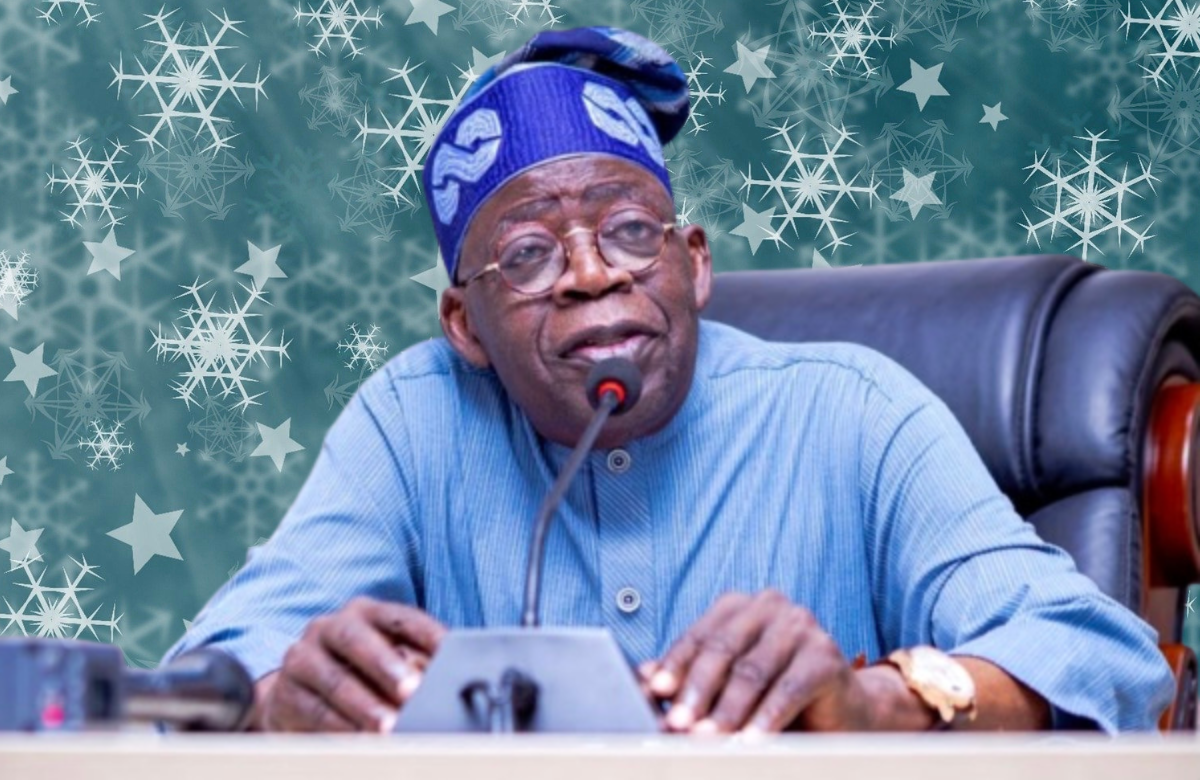
President Bola Ahmed Tinubu has proposed the establishment of a Grid Asset Management Company (GAMCO) as part of efforts to tackle longstanding challenges in Nigeria’s electricity transmission network.
The proposal was disclosed by the Minister of Information and National Orientation, Mohammed Idris, after the Federal Executive Council meeting held on Wednesday at the Presidential Villa in Abuja.
According to Idris, the president personally presented the memorandum to the council for deliberation, stressing the urgent need to strengthen the transmission segment of the power sector, which has often been described as the weakest link in Nigeria’s electricity value chain.
Nigeria’s power sector was unbundled into three main segments after deregulation: generation, transmission and distribution. While progress has been recorded in the generation and distribution segments, transmission infrastructure has continued to struggle with capacity constraints, frequent faults and system instability.
Committee to design operational framework
To move the proposal forward, the Federal Executive Council approved the creation of an inter-ministerial committee tasked with developing the operational structure for the proposed Grid Asset Management Company.
The committee will include key government officials such as the Minister of Power, the Minister of State for Gas, the Ministers of Works, Finance, and Science and Technology, as well as the Chairman of the Nigerian Revenue Service and the Attorney-General of the Federation.
Their responsibility will be to examine the regulatory and legal frameworks required to establish the company, explore potential investment models, and determine how existing investors and operators in the electricity sector will be accommodated within the new arrangement.
Idris explained that the committee’s recommendations may eventually be forwarded to the National Assembly for legislative approval if new laws are required to operationalise the initiative.
The proposal comes against the backdrop of ongoing instability in Nigeria’s electricity supply system.
In December 2025 alone, the country experienced two major national grid collapses that disrupted power supply across large parts of the country, affecting homes, businesses and critical infrastructure.
The recurring grid failures have revived debate over structural weaknesses in the power sector despite several financial interventions by the Federal Government over the years.
Energy experts and industry stakeholders have repeatedly warned that funding alone may not be sufficient to solve the sector’s problems unless deep structural reforms are implemented.