

KEY POINTS
- UN Secretary-General António Guterres urged countries to speed up the transition from fossil fuels to renewable energy amid global oil market disruptions.
- The call comes as the Middle East conflict and closure of the Strait of Hormuz disrupt global oil supply and shipping routes.
- Guterres said renewable energy offers greater energy security, noting that sunlight and wind cannot be embargoed or weaponised like oil.
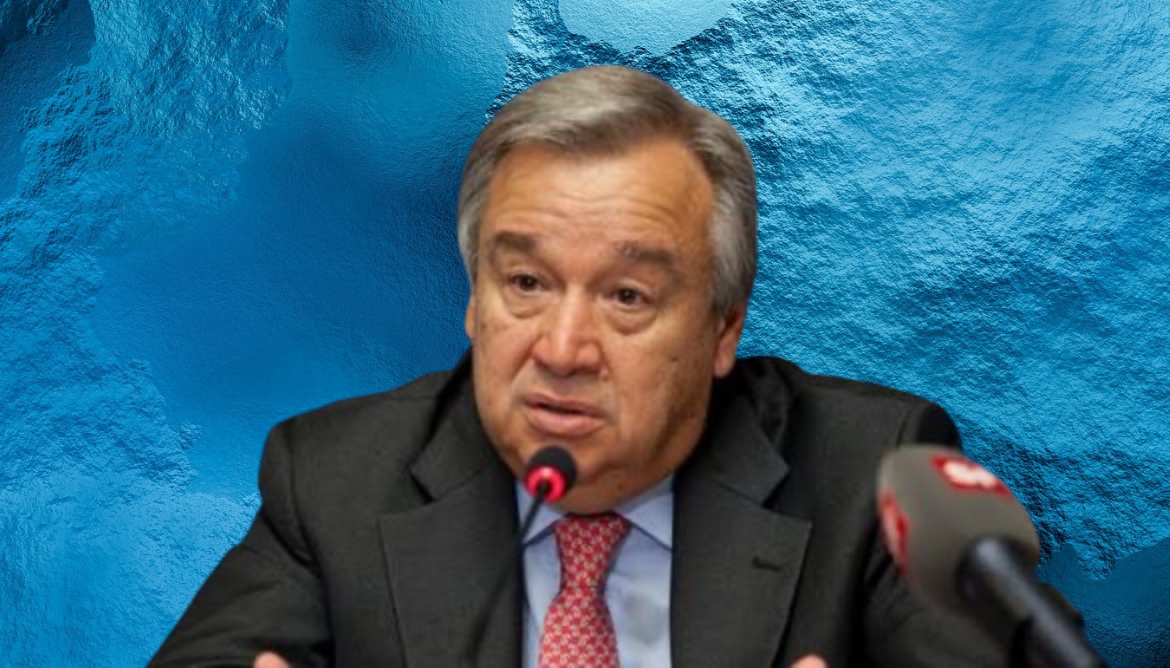
The Secretary-General of the United Nations, António Guterres, has called on countries across the world to accelerate their transition from fossil fuels to renewable energy sources, warning that decades of dependence on oil have left economies vulnerable to shocks in global energy markets.
Guterres made the appeal through his verified account on the social media platform X (formerly Twitter), against the backdrop of rising tensions in the Middle East following the ongoing military campaign by the United States and Israel against Iran.
According to him, the latest geopolitical crisis once again highlights the risks associated with heavy reliance on oil, as disruptions in key energy corridors continue to send shockwaves through global markets.
Renewable Energy Now More Affordable and Accessible
Guterres noted that past oil shocks often left governments and economies with limited options, forcing them to absorb steep price increases and supply disruptions. However, he argued that the situation has changed significantly with the rapid advancement of renewable energy technologies.
He explained that locally produced renewable energy has become more affordable, accessible, and scalable than ever before, making it a viable alternative for countries seeking long-term energy stability.
Drawing a comparison between fossil fuels and renewable energy, the UN chief said clean energy resources cannot be controlled or weaponised through geopolitical conflicts.
“The resources of the clean energy era cannot be blockaded or weaponised,” Guterres said.
He further emphasised that renewable sources such as solar and wind are immune to the type of supply disruptions that affect oil markets.
“There are no price spikes for sunlight and no embargoes on the wind,” he added.
The UN chief’s remarks come amid growing disruptions in global energy supply chains caused by the escalating conflict in the Middle East.
One of the most significant developments has been the closure of the Strait of Hormuz—a critical oil transit route connecting major Gulf producers to the Gulf of Oman and the Arabian Sea.
The strait is considered the world’s most strategically important oil shipping corridor, handling a significant share of global crude exports.
Due to the intensification of hostilities in the region, oil tankers have reportedly been unable to pass through the strait for more than a week. As a result, several producers have been forced to scale down production as onshore storage facilities approach full capacity.