KEY POINTS
- The International Energy Agency has approved a record 400 million barrel release from global oil reserves to stabilise markets amid the Iran conflict.
- The intervention follows a major supply disruption after trade through the Strait of Hormuz was halted, removing 15 million barrels of oil per day from global markets.
- Countries including Japan, Germany, South Korea, and the UK will contribute reserves as oil prices remain volatile despite the emergency response.
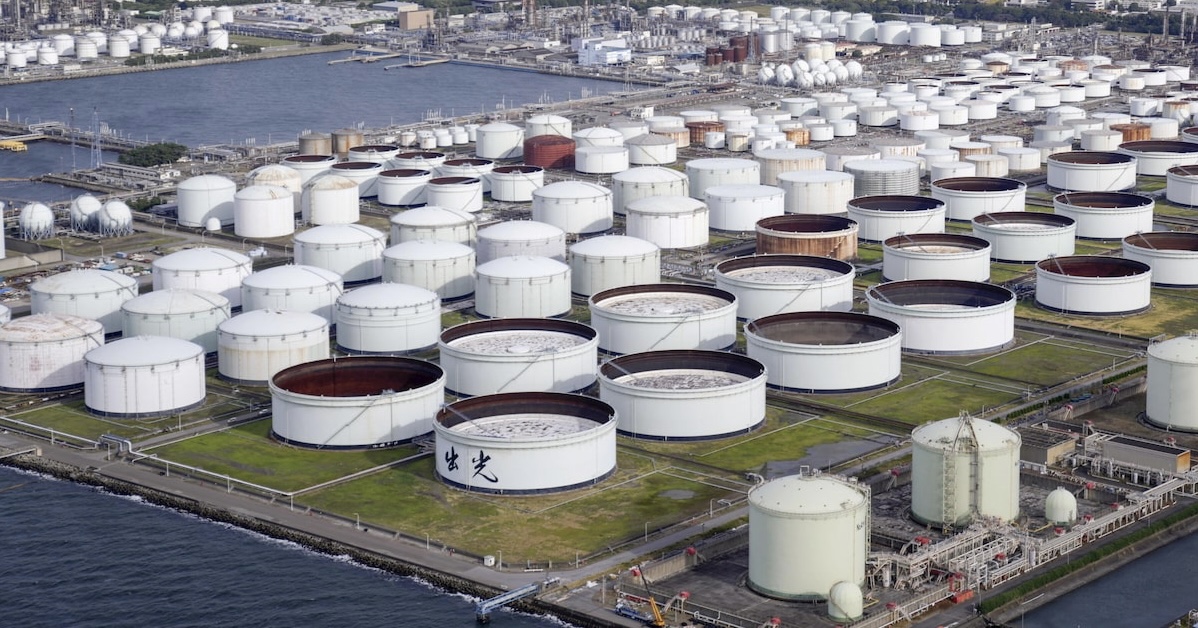
The International Energy Agency , IEA, has announced the largest coordinated release of emergency oil reserves in history, as member countries move to stabilise global energy markets following supply disruptions triggered by the escalating US–Israel war on Iran.
The IEA confirmed that its 32 member countries unanimously agreed to release about 400 million barrels of crude oil from government-controlled stockpiles in a bid to ease supply shortages and calm volatile oil prices.
The unprecedented intervention comes as tensions in the Middle East threaten global energy flows, particularly through the Strait of Hormuz, one of the world’s most critical oil transport routes.
Record-Breaking Release to Counter Oil Supply Shock
According to the IEA, the planned release will account for roughly one-third of its total emergency oil reserves, far surpassing previous interventions.
The move more than doubles the 182 million barrels released in 2022 following the Russian invasion of Ukraine, which previously marked the agency’s largest coordinated response to an energy crisis.
IEA Executive Director Fatih Birol emphasised that the global nature of the oil market requires collective action in times of disruption.
He stated that ensuring energy security remains the core mission of the agency, praising member nations for demonstrating solidarity in responding to the crisis.
The emergency intervention comes after oil shipments through the Strait of Hormuz were effectively halted, removing about 15 million barrels of crude per day from global supply.
The waterway normally handles a large share of the world’s oil trade, making it one of the most strategically important energy routes on the planet.
Since the conflict escalated, at least 13 commercial vessels have reportedly come under attack in the region, raising fears of a prolonged disruption to global energy supplies.
Iran’s military has also warned that oil prices could surge dramatically, potentially reaching $200 per barrel if the crisis worsens.