KEY POINTS
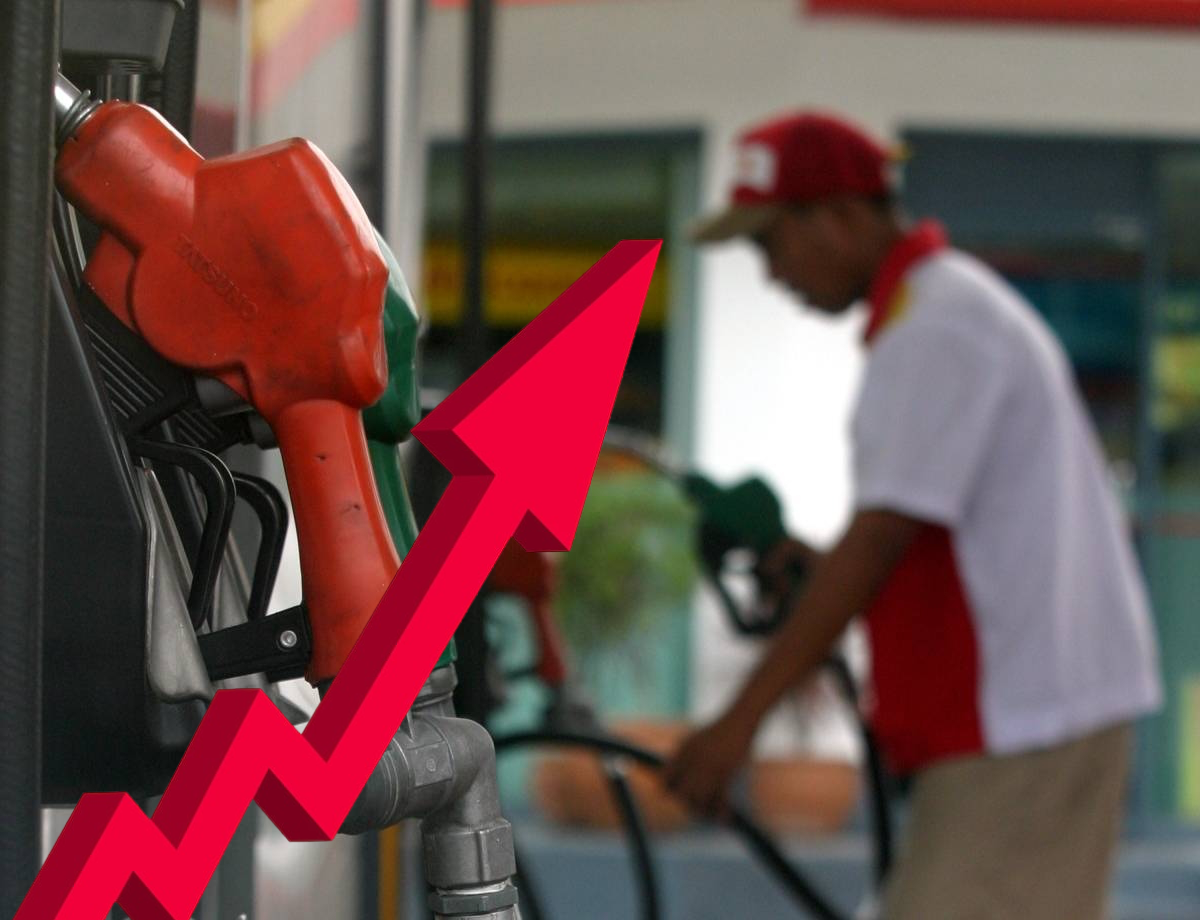
- Dangote Refinery increased its ex-gantry petrol price by N100, raising it from N1,075 to N1,175 per litre.
- The hike follows a rebound in global oil prices to about $100 per barrel due to Middle East conflict and supply disruptions.
- Private depots and NNPC have also adjusted prices, with some depots selling at N1,123 per litre while NNPC raised its Lagos price to N1,230 per litre.
The Dangote Refinery has increased its ex-gantry price for Premium Motor Spirit (PMS), commonly known as petrol, to N1,175 per litre, marking a N100 rise from its previous price of N1,075 per litre announced just two days earlier.
The latest adjustment, which took immediate effect, comes against the backdrop of a sharp rebound in global crude oil prices following supply disruptions linked to the ongoing conflict in the Middle East.
The management of Dangote Refinery attributed the new pricing to the volatility in global crude oil markets and rising replacement costs for petroleum products.
According to the refinery’s Managing Director, David Bird, the recent surge in international oil prices has significantly impacted operational costs, necessitating a review of the ex-gantry price.
Global benchmark crude prices climbed to about $100 per barrel on Thursday as geopolitical tensions in the Middle East disrupted supply chains and triggered uncertainty in the global energy market.
Supply disruptions in the Strait of Hormuz pressure oil markets
The global oil supply has come under intense pressure as the conflict in the Middle East affects shipping routes through the Strait of Hormuz, one of the world’s most critical energy transit corridors.
According to the International Energy Agency (IEA), crude oil and refined product shipments passing through the strait have dropped dramatically from approximately 20 million barrels per day before the conflict to significantly lower volumes in recent days.
In response to the disruption, member countries of the agency have agreed to release about 400 million barrels of crude oil from their emergency reserves in a bid to stabilise supply and calm international markets.
The development has contributed to the renewed volatility in crude prices, which has had ripple effects on fuel markets across several countries, including Nigeria.