KEY POINTS
- The Senate has confirmed Magnus Abe as Chairman of the NUPRC Board following a streamlined screening process.
- Abe says rising global oil prices present both economic challenges and revenue opportunities for Nigeria.
- He highlights potential gains in marginal oil fields and gas production amid global supply disruptions.
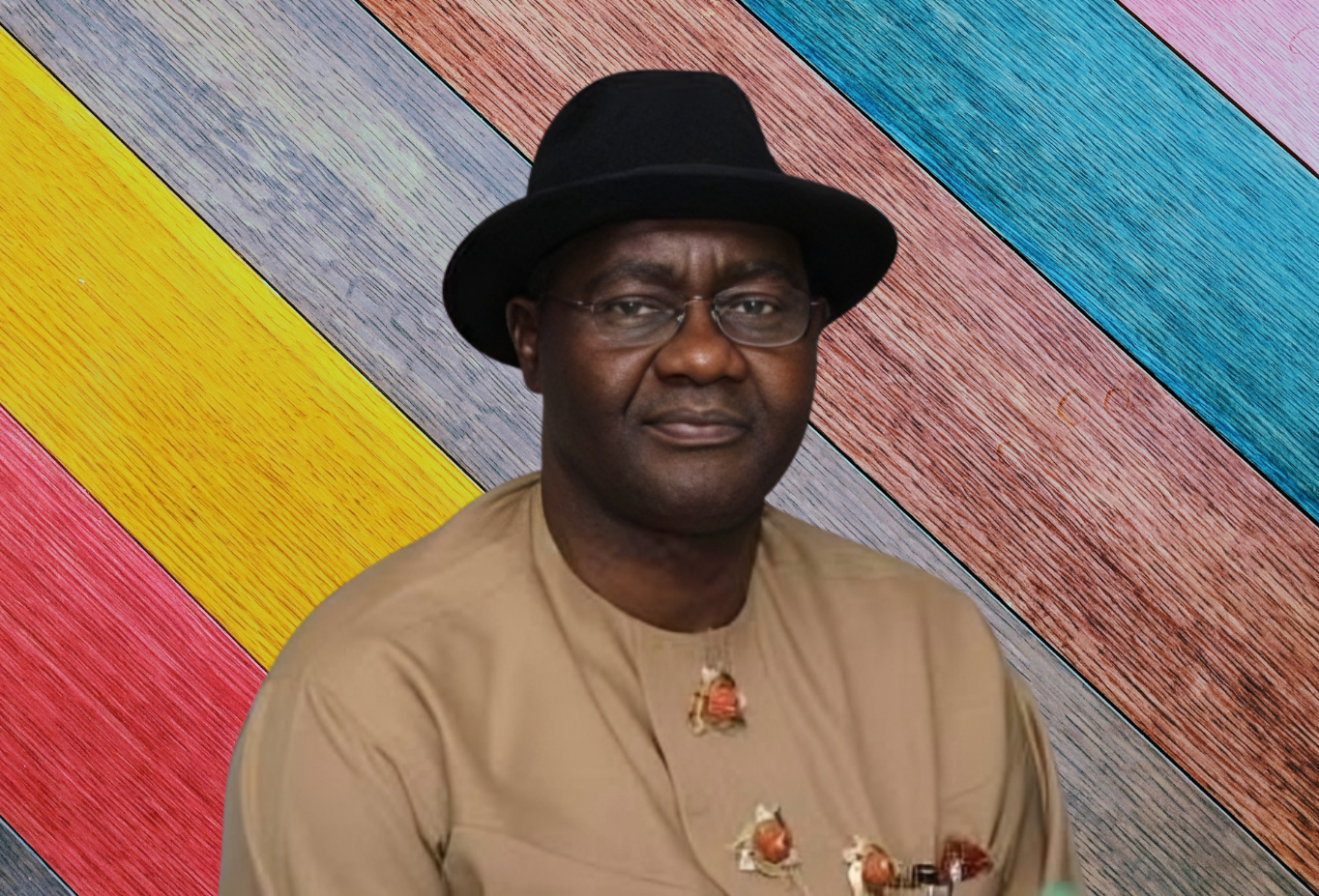
The Nigerian Senate has officially confirmed former Rivers South-East senator, Magnus Abe, as the Chairman of the Board of the Nigerian Upstream Petroleum Regulatory Commission (NUPRC).
Abe’s confirmation followed his screening by the Senate Committee on Petroleum Resources (Upstream), which assessed nominees put forward by President Bola Ahmed Tinubu for key positions within the commission. The committee is chaired by Senator Eteng Jonah Williams, representing Cross River Central Senatorial District.
In keeping with the Senate’s long-standing tradition for former lawmakers, Abe, who served two terms in the National Assembly, was accorded the privilege of a streamlined screening process, often referred to as “take a bow and go.” This practice exempts experienced legislators from extensive questioning during confirmation proceedings.
A known ally of the Minister of the Federal Capital Territory, Nyesom Wike, Abe’s appointment is seen as significant within Nigeria’s political and energy landscape, particularly at a time of heightened global uncertainty in oil markets.
Speaking to journalists shortly after his confirmation, Abe addressed the implications of rising global oil prices, attributing the surge to ongoing geopolitical tensions involving the United States and Iran. He described the situation as a global crisis with far-reaching consequences, rather than a challenge unique to Nigeria.
According to him, while Nigerians may face increased fuel costs and associated economic hardship, the country stands to benefit from higher revenues generated from crude oil exports. He emphasized the need to view the situation as a “balancing act,” where both the negative and positive impacts must be carefully managed.
“This is not just a Nigerian issue but a global one,” Abe stated, noting that fluctuations in oil prices would inevitably influence domestic fuel costs while simultaneously boosting government earnings.
Current Rise in Oil Prices Unlock Investment Opportunities
He further highlighted that the current rise in oil prices could unlock new investment opportunities in Nigeria’s energy sector. Marginal oil fields that were previously considered unprofitable could become viable, attracting investors and increasing production capacity.
Additionally, Abe pointed to disruptions in global gas supply chains as an opening for Nigeria to scale up its gas production. Such expansion, he said, could stimulate job creation, drive economic growth, and position the country more competitively in the global energy market.
Beyond the economic outlook, Abe called for global efforts toward peace, stressing that the ongoing conflict is not only affecting economies but also resulting in loss of lives. He urged collective prayers and diplomatic interventions to bring an end to the crisis.