

KEY POINTS
- A drone strike on a major UAE gas facility has intensified fears over global energy supply disruptions.
- Oil prices have surged above $100 per barrel amid disruptions in the Strait of Hormuz.
- Repeated attacks on regional energy infrastructure, including Fujairah port, are raising concerns about inflation and global economic stability.
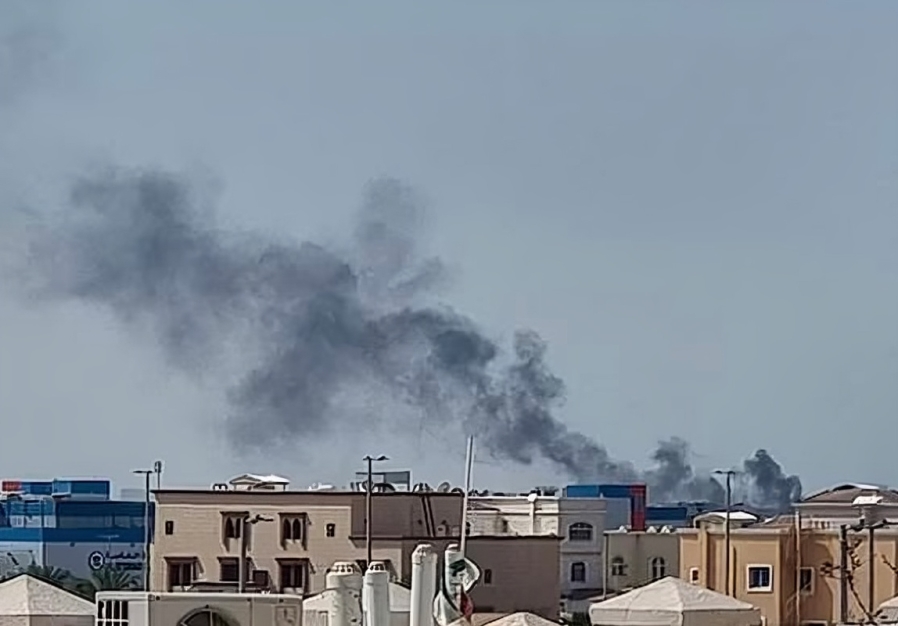
A major gas facility in the United Arab Emirates has been engulfed in flames following a drone strike on Tuesday, intensifying fears over tightening global energy supplies and a sharp surge in crude oil prices.
The incident, reported by Bloomberg, is the latest in a series of escalating attacks targeting vital energy infrastructure across the Middle East, raising alarm among global markets and policymakers.
Wave of Attacks Deepens Energy Crisis
The strike forms part of a growing pattern of assaults on key oil and gas installations across the region, including refineries, liquefied natural gas (LNG) plants, oil fields, and export terminals.
These sustained disruptions are compounding concerns about the stability of global energy supplies. As attacks intensify, the ripple effects are already being felt in major energy-consuming economies, threatening to derail recovery efforts and increase market volatility.
Crude oil prices have climbed above $100 per barrel, driven partly by the near shutdown of the Strait of Hormuz—a critical maritime corridor responsible for transporting nearly a fifth of the world’s oil and LNG supplies.
The disruption of this key route has heightened fears of supply shortages, pushing markets into a state of uncertainty and triggering renewed concerns over global inflation and economic instability.
According to reports, the attacked facility is the Shah gas project, a major production site located in the UAE’s portion of the Empty Quarter desert.
Authorities in Abu Dhabi confirmed that the fire has been successfully contained, with no casualties recorded. However, operations at the facility have been suspended.
The Shah field, operated by the Abu Dhabi National Oil Company in partnership with Occidental Petroleum Corporation, contributes roughly one-fifth of the UAE’s total gas output and is also a significant source of sulfur.