KEY POINTS
- Eskom’s smart meter rollout aims to eliminate load reduction by 2027, targeting 971 feeders and 1.69 million customers.
- The meters help isolate non-paying users, reduce electricity theft, and improve billing accuracy, with a phased rollout prioritizing high-risk provinces.
- The initiative supports Free Basic Electricity access and urges public cooperation to protect infrastructure and enhance energy security.
Eskom has outlined an ambitious plan to eliminate load reduction by 2027 through a phased nationwide smart meter rollout.
The initiative, highlighted in its latest power system update, aims to enhance electricity access, empower consumers, and address illegal connections across South Africa.
Eskom credits its record of avoiding load shedding for 308 consecutive days to the Generation Recovery Plan and strong power station performance, though load reduction remains necessary in high-risk areas with infrastructure challenges and electricity theft.
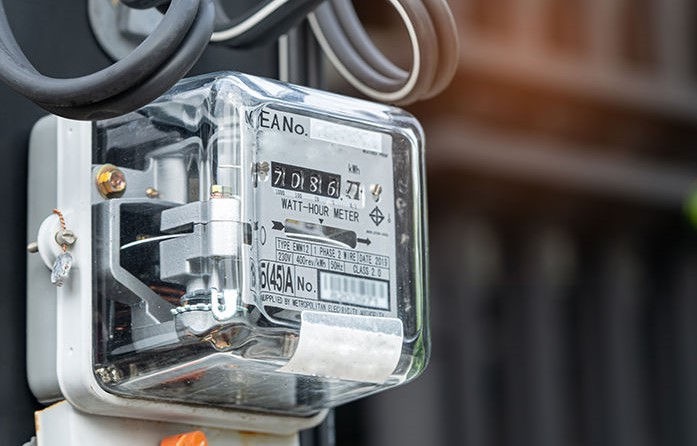
The utility’s rollout strategy focuses on 971 feeders, serving roughly 1.69 million customers. Smart meters allow for remote management of non-paying users, preventing compliant customers from being penalized.
Minister of Electricity and Energy, Kgosientsho Ramokgopa, explained that the technology isolates defaulters without impacting paying households, addressing long-standing criticism from customers who faced load reductions despite paying for electricity.
Tackling electricity theft and improving billing transparency
KwaZulu-Natal, for example, experiences annual losses of approximately R6 billion due to widespread electricity theft, with Eskom reporting that 50% of provincial customers are illegally connected.
In the Pietermaritzburg area, non-payment rates reach 90%, according to Eskom’s Senior Manager for Customer Services, Dadewabo Mbhele. To date, 470,134 smart meters have been installed nationwide, including 183,956 on load reduction feeders, while 157 feeders have been fully removed from load reduction, benefiting 208,819 customers.
The rollout concentrates on high-risk feeders in Gauteng, Mpumalanga, Limpopo, and KwaZulu-Natal, with 577,347 additional smart meters planned for installation.
The initial phase is set to conclude by March 2026, with full deployment scheduled for 2027. Despite progress, installation teams face resistance, including intimidation, violence, and work stoppages, causing delays for approximately 122,000 planned meter conversions.
Beyond managing load reduction, smart meters provide customers with real-time monitoring, improved billing accuracy, and participation in rewards programs like Demand Response (DR). They also support Free Basic Electricity (FBE) access, enabling the government to front-load the 50 kWh monthly allocation to qualifying households. Currently, 582,110 customers are registered for FBE, roughly 28% of the eligible 2.1 million.