

KEY POINTS
- DisCos said Nigeria’s three major hydro plants; Shiroro, Kainji, and Jebba, are generating less than one-third of total electricity, worsening nationwide blackouts.
- The sector now relies heavily on gas-fired plants, while liquidity issues, energy theft, and unpaid government debts continue to weaken distribution companies.
- Power shortages persist as generation averages about 4,300MW, with DisCos also facing financial pressure from a N20.33 billion meter refund directive.
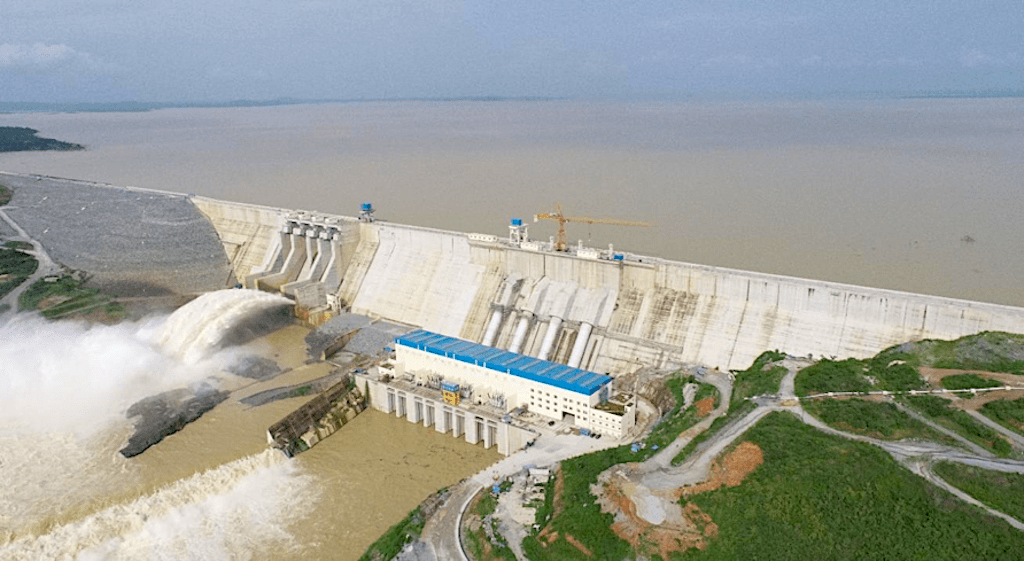
Electricity distribution companies have attributed ongoing blackouts across Nigeria to inadequate generation from the country’s hydro power plants. The Chief Executive Officer of the Association of Nigerian Electricity Distributors (ANED), Sunday Oduntan, said Nigeria’s hydro stations are currently producing far below the level required to meet national demand.
Oduntan, who spoke in an interview, explained that the country relies on just three major hydroelectric plants; Shiroro, Kainji, and Jebba, whose combined output accounts for less than one-third of total electricity production. He noted that this limited contribution has forced the sector to depend heavily on gas-fired power plants to sustain supply.
According to him, thermal plants such as Egbin now carry a significant portion of the generation burden, making the power sector highly vulnerable to gas supply disruptions.
Increased Generation Identified as Key Solution
Oduntan stressed that the long-term solution to Nigeria’s electricity shortages lies in boosting overall generation capacity. He noted that increasing production would enable the sector to meet obligations to consumers and stabilise supply nationwide.
He added that Nigeria must expand its power output across both hydro and thermal sources to address persistent outages affecting homes and businesses.
The ANED boss also identified liquidity constraints as a major challenge facing electricity distribution companies. He urged electricity consumers to pay for power usage and report illegal connections, noting that energy theft continues to weaken the sector’s finances.
He further called on ministries, departments, and agencies of government to settle outstanding electricity debts, describing unpaid bills as a key contributor to the financial strain within the industry. Oduntan also highlighted tariff mismatch as another issue undermining the viability of electricity companies.
He stressed the need for improved technical and commercial alignment across the power value chain, noting that generation increases would only be effective if transmission and distribution infrastructure can handle the output.
Nigeria’s prolonged power outages have also been linked to inadequate gas supply to thermal power plants. The Nigerian Independent System Operator had earlier disclosed that electricity generation remains constrained due to fuel shortages affecting the national grid.
According to the system operator, average available generation is currently around 4,300 megawatts, significantly below the country’s installed capacity, further worsening electricity shortages nationwide.
Electricity distribution companies are also grappling with additional financial pressure following a directive by the Nigerian Electricity Regulatory Commission requiring them to refund N20.33 billion to customers who purchased prepaid meters under the Meter Asset Provider scheme.
The regulator ordered that the refunds be credited to customers’ electricity bills in equal instalments over a 12-month period. Industry stakeholders say the directive is aimed at strengthening consumer protection and restoring confidence in the electricity market.