KEY POINTS
- FG issued six new licences to import petrol after Middle East tensions created supply gaps
- About 180,000 metric tonnes (243 million litres) approved for import
- Dangote refinery reports FX losses due to crude supply shortfall and naira-for-crude deal
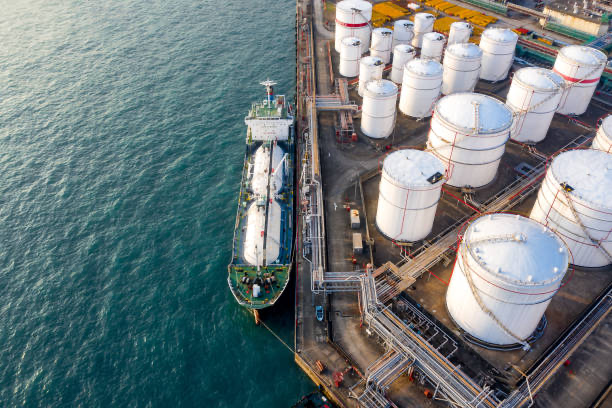
The Federal Government has reopened petrol importation, issuing fresh licences to six oil marketers following supply concerns triggered by geopolitical tensions in the Middle East.
The move represents a policy reversal after authorities recently signalled that domestic refining capacity was sufficient to meet national demand.
Industry data cited in a new S&P Global report showed that the Nigerian Midstream and Downstream Petroleum Regulatory Authority approved import licences covering about 180,000 metric tonnes of Premium Motor Spirit. The approvals came weeks after the regulator paused import licences, citing improved output from local refineries.
Market sources said the licences were granted to Bono Energy, Pinnacle, AYM Shafa, Matrix, A.A. Rano and Nipco, each expected to import roughly 30,000 metric tonnes. The combined volume is estimated at about 243 million litres of petrol.
Officials indicated that the decision followed a sudden supply gap linked to disruptions in the Middle East. The regulator had earlier maintained that local refineries supplied about 36.5 million litres daily in February, compared to roughly three million litres from imports, raising expectations that Nigeria was moving toward fuel self-sufficiency.
However, analysts say the new approvals show supply stability remains fragile and that imports may still be needed to balance the market. Energy analysts warned that energy insecurity could weaken the economy if domestic supply falls short.
The development comes as the Dangote Petroleum Refinery faces mounting foreign exchange losses tied to the naira-for-crude arrangement. A senior official at the refinery disclosed that the company supplies more refined products to the domestic market than the crude it receives locally, reducing its ability to export and earn foreign currency.
According to the official, the refinery was expected to supply products equivalent to crude received under the naira-for-crude policy. Instead, the facility is delivering more to the Nigerian market, leading to lost export earnings.
The refinery also said it receives significantly less crude than agreed under the deal. Chief Executive Officer David Bird stated that the facility currently gets about five cargoes of crude monthly instead of the expected 13 to 15 cargoes. The shortfall has forced the refinery to source Nigerian crude from international markets at a premium while also paying freight and logistics costs.
Bird noted that the naira-for-crude policy was designed to stabilise the country’s foreign exchange market rather than benefit the refinery financially. He added that crude purchases remain tied to international benchmark prices and do not constitute a subsidy.
Refinery Operates at Full Capacity of 650,000 barrels
Despite the challenges, the refinery said it is operating at its full installed capacity of 650,000 barrels per day, supplying both domestic and regional markets. However, global disruptions have increased operational costs across freight, insurance and logistics.
Oil marketers and refinery operators have meanwhile called on the Federal Government to increase crude allocation to domestic refineries to stabilise fuel prices. They argued that stronger domestic supply would reduce dependence on imports, ease foreign exchange pressure and support economic growth.
Industry groups also urged strict enforcement of the Domestic Crude Supply Obligation, fair pricing for local refineries, and improved logistics infrastructure. They warned that rising petrol prices are already increasing transportation costs and worsening inflation.
Retailers further called for temporary government interventions, including support for local refining, improved crude supply frameworks, and accelerated adoption of alternative fuels such as compressed natural gas and liquefied petroleum gas.