KEY POINTS
- Nigeria has cut approval time to revive idle oil wells from weeks to hours to boost production
- Local oil companies are leading applications as regulators fast-track permits and evacuations
- Policy aligns with broader oil sector reforms aimed at unlocking investment and raising output
Oil producers operating in Nigeria are now receiving significantly faster approvals to revive idle wells, as authorities move to boost crude output and strengthen the country’s position in global energy markets.
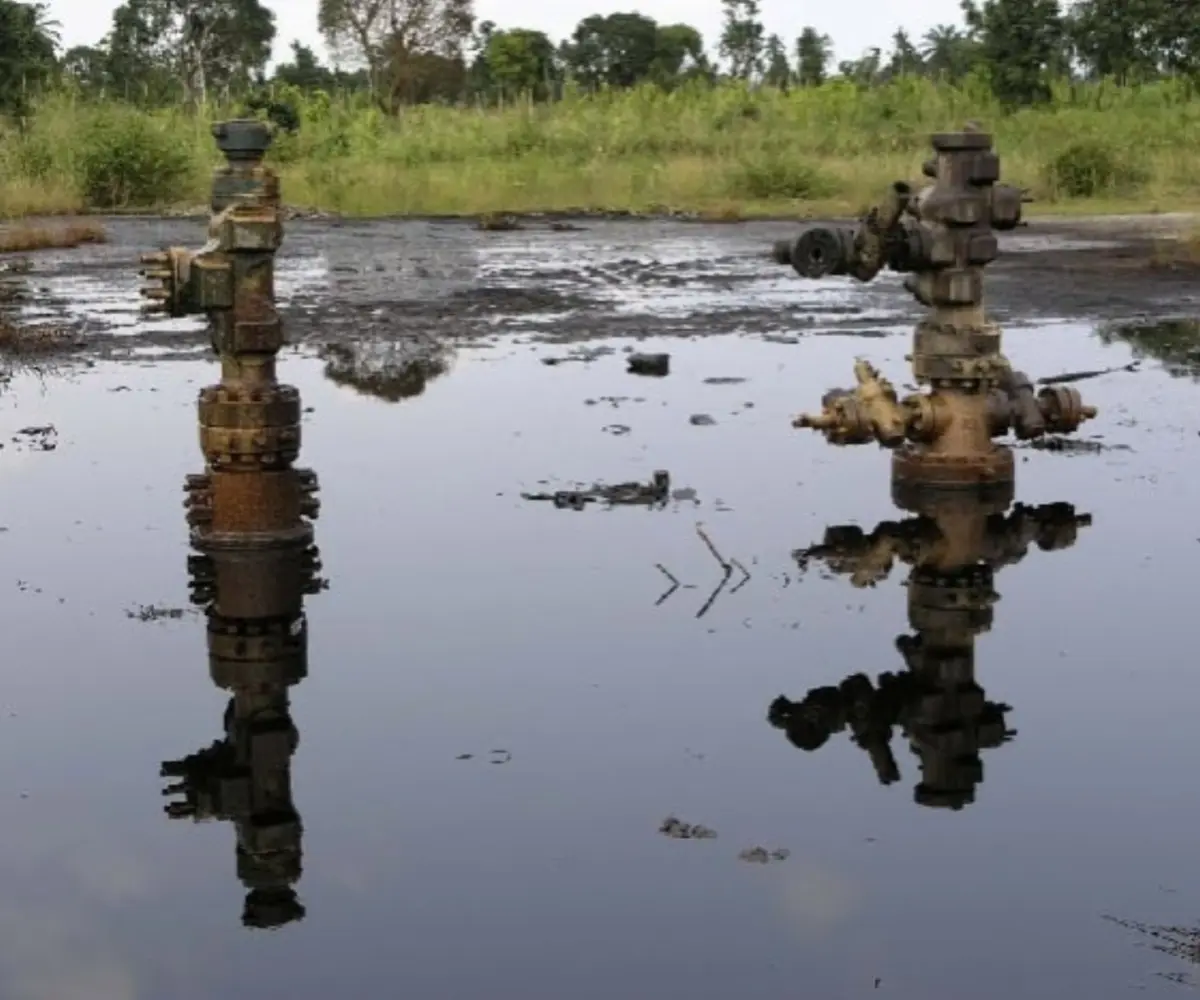
According to a Bloomberg report, the Nigerian Upstream Petroleum Regulatory Commission has shortened the approval timeline for restarting dormant oil wells from several weeks to just hours. The development comes as Nigeria seeks to take advantage of strong global energy demand and rising crude prices, while also positioning itself as a key supplier to African markets.
The accelerated approvals are part of broader efforts to increase production capacity, particularly as some buyers shift toward African producers such as Nigeria and Angola amid ongoing geopolitical tensions in other oil-producing regions. With crude prices trading near 100 dollars per barrel, producers are moving quickly to bring idle assets back online.
People familiar with the process said the upstream regulator is now approving applications within hours of submission, marking a sharp departure from previous timelines. The sources, who were not authorised to speak publicly, said the policy is designed to rapidly increase output by encouraging operators to restart suspended wells.
In addition to reviving idle wells, the regulator has also fast-tracked approvals for evacuations and barge operations at production facilities and export terminals. These measures are aimed at removing bottlenecks that previously slowed crude evacuation and delayed production ramp-ups.
A spokesman for the regulator confirmed that speedy approvals were being granted for activities capable of increasing production. The report noted that the surge in applications has largely come from local oil companies seeking to re-enter older wells that were previously shut down or abandoned.
Reviving old wells seen as faster, cheaper option
Industry operators are increasingly targeting suspended wells because restarting them is significantly cheaper and faster than drilling new ones. Developing new wells often requires years of planning, regulatory approvals, and infrastructure investments before production begins.
By contrast, repairing older wells and bringing them back into operation can quickly add to output. According to the report, once reactivated, crude from revived wells can reach the surface within an average of four weeks, making them an attractive short-term production strategy.
The faster approval process is therefore expected to help operators ramp up production in the near term while reducing administrative delays that previously discouraged investment in older assets.
The move also comes as Nigeria rolls out broader reforms aimed at revitalising its oil industry and attracting fresh capital. President Bola Tinubu recently approved the establishment of a Presidential Petroleum Reform and Value Optimisation Taskforce to accelerate structural reforms across the petroleum sector.
The task force is expected to deliver multiple reform blueprints focused on improving governance, strengthening liquidity, and supporting long-term energy transformation. One of its key mandates is the Capital and Liquidity Acceleration Blueprint, which aims to unlock between 5 billion dollars and 10 billion dollars in liquidity for the oil sector.
The initiative, announced in a State House release earlier in March, is designed to consolidate ongoing reforms and position Nigeria as a competitive global energy investment destination. By combining faster approvals with structural reforms, authorities hope to increase production, attract investment, and expand Nigeria’s share of global crude supply.