KEY POINTS
- Ethiopia and Rosatom signed a Strategic Roadmap for Nuclear Energy Development on March 31
- Addis Ababa targets two 1,200 MW reactors by 2032 to 2034
- Over 80% of Ethiopia’s current electricity comes from hydropower
Ethiopia and Russia have signed a Strategic Roadmap for Nuclear Energy Development, pushing the East African country’s nuclear ambitions from diplomacy into a structured implementation plan.
The roadmap was signed on March 31, 2026, between the Ethiopian Nuclear Energy Commission and Russia’s state-owned Rosatom State Corporation. It outlines a joint framework covering feasibility studies, site selection, regulatory preparation, technology transfer and workforce training, giving both sides a concrete path forward after years of preliminary agreements.
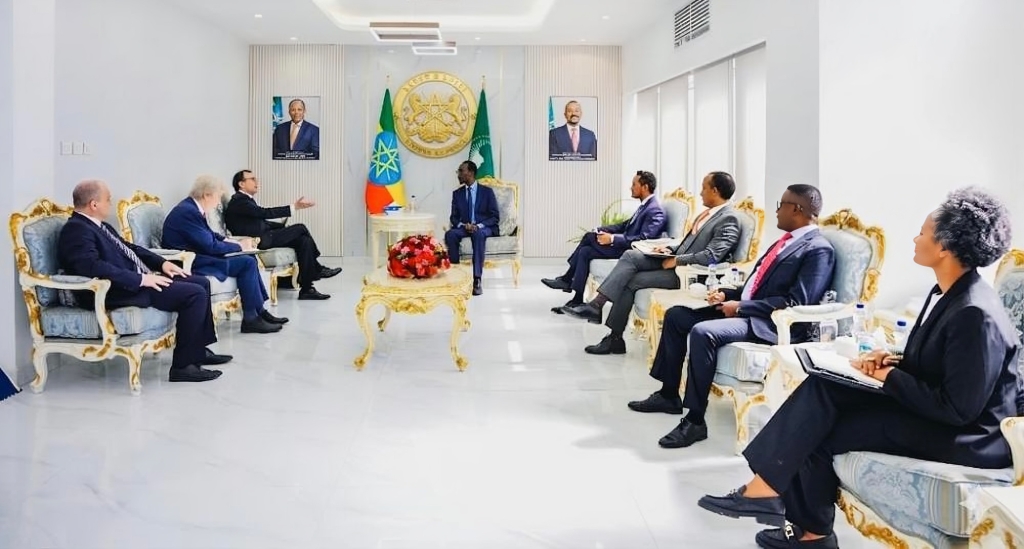
FM Gedion, Rosatom’s Spassky meet in Addis
The signing was followed by diplomatic engagement in the Ethiopian capital on April 1, when Foreign Minister Gedion Timothewos received Nikolay Spassky, Rosatom’s deputy director general, in Addis Ababa.
Timothewos described the durability of ties between the two nations as a solid foundation for long-term nuclear projects. Sandokan Debebe, commissioner of the Ethiopian Nuclear Energy Commission, said discussions focused on concrete steps to implement the action plan both sides signed in September 2025 during World Atomic Week in Moscow. Debebe stressed the urgency of converting commitments into active projects.
Hydropower covers 80% of Ethiopia’s output
Ethiopia’s push to reduce hydropower dependence is grounded in hard numbers. The country’s electricity demand is projected to reach 86 terawatt-hours by 2035, against a current base where more than 80% of generation relies on rivers. Seasonal drought and climate variability have repeatedly cut output, threatening both households and industry.
National electrification sits at roughly 45%, with per capita consumption at only 86 kilowatt-hours. Ethiopia’s government has set a target of two reactor units, each generating approximately 1,200 megawatts, to be operational between 2032 and 2034. Small modular reactors are also under consideration for remote and decentralized applications.
IAEA backs Ethiopia’s nuclear safety framework
The International Atomic Energy Agency is providing parallel support on institutional capacity, regulatory frameworks, safety standards and nuclear applications in medicine and agriculture. IAEA Director General Rafael Grossi, who attended the Ethiopian Nuclear Energy Commission’s launch in December 2025, described the creation of a dedicated national body as critical to keeping the program aligned with global safety requirements.
Ethiopia signed a non-disclosure agreement with Rosatom in Moscow in December 2025, a step that preceded the March 31 roadmap. Debebe signed that agreement alongside Rosatom’s Andrey Rozhdestvin during the two sides’ first official meeting.
The broader partnership also carries economic weight. Bilateral trade between Ethiopia and Russia more than doubled in the first half of 2025 to $191.2 million, with Ethiopian coffee exports to Russia rising 60%. Officials from both governments have framed the nuclear partnership as an element of a deeper strategic alignment, not a standalone energy transaction.
Russia’s Rosatom is already building a nuclear power plant in Egypt and has separate engagements with South Africa, Nigeria and Rwanda, making Ethiopia’s new roadmap the latest addition to an expanding African nuclear map.