KEY POINTS
- Dangote refinery denied receiving seven crude cargoes for May, saying expected supply is about six cargoes or 6.15 million barrels.
- The refinery requires about 19 cargoes monthly but continues to receive far less, affecting operations and contributing to fuel price hikes.
- NNPC says it is working to increase supply, while economists urge the government to sell crude at fixed prices to stabilise fuel costs.
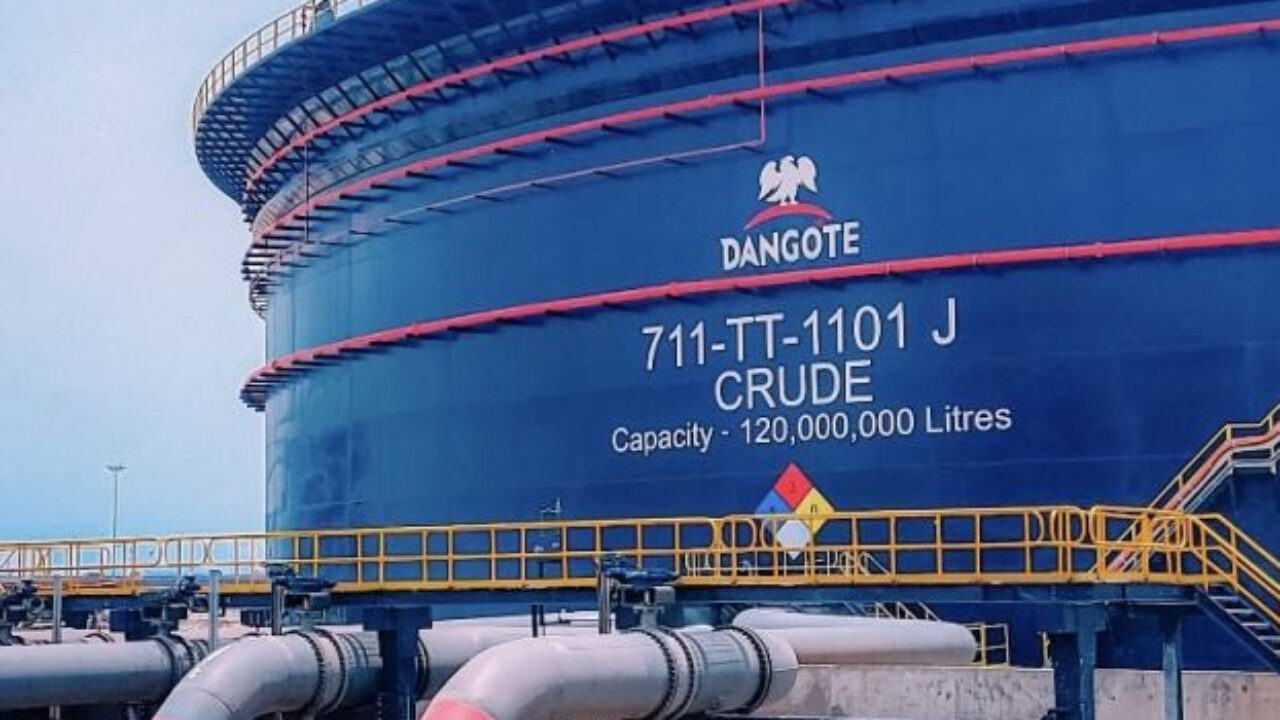
Officials of the Dangote Petroleum Refinery have denied reports that the Nigerian National Petroleum Company Limited allocated seven crude oil cargoes to the facility for May, stating that they were unaware of such an increase.
Senior refinery officials said discussions with the national oil company were ongoing but they could not confirm any rise in supply from the five cargoes previously received monthly. According to them, the refinery expects about 6.15 million barrels for May, which is roughly six cargoes, not seven as earlier reported.
“Our May allocation is about 6.15 million barrels. The report of seven cargoes’ allocation is not clear yet,” one official said, noting that the refinery had not been formally informed of any increase.
Supply still far below refinery’s operational needs
The 650,000 barrels-per-day refinery requires about 19.77 million barrels of crude monthly, equivalent to roughly 19 cargoes, but has consistently received far less. Officials disclosed that supply has fluctuated in recent months, with 4.55 million barrels in October, 6.45 million in November, 4.30 million in December, 5.65 million in January, and 4.66 million barrels in February, while March deliveries were around six million barrels.
They stressed that the limited supply continues to constrain operations and urged authorities to increase crude allocation to the refinery.
The refinery recently raised petrol prices above ₦1,200 per litre, citing insufficient local crude supply and reliance on imports. The company said local producers were failing to supply crude as required, forcing it to source feedstock through international traders at premium prices.
It also noted that while it receives about five cargoes monthly from NNPC, paid for in naira, these are priced at international market rates and fall short of the 13 cargoes needed to adequately serve the domestic market.
According to the refinery, the situation has increased operating costs, especially as global oil prices rise due to the ongoing Middle East conflict and disruption around the Strait of Hormuz.
Sources within NNPC said the national oil company was working to increase crude supply to the refinery through existing agreements aimed at strengthening domestic refining capacity.
The officials explained that the company was leveraging its global crude trading network to source third-party crude at competitive international prices to support the refinery amid temporary supply constraints.
They reiterated that NNPC remains committed to supporting local refining and safeguarding Nigeria’s energy security.