

KEY POINTS
- Near-term oil prices hit a record premium after Donald Trump vowed further attacks on Iran, signalling tight immediate supply.
- The ongoing conflict has disrupted flows through the Strait of Hormuz, pushing crude above $110 per barrel and raising fuel shortage fears.
- Producers may increase drilling later, but low long-term prices and uncertainty mean U.S. output is unlikely to rise quickly.
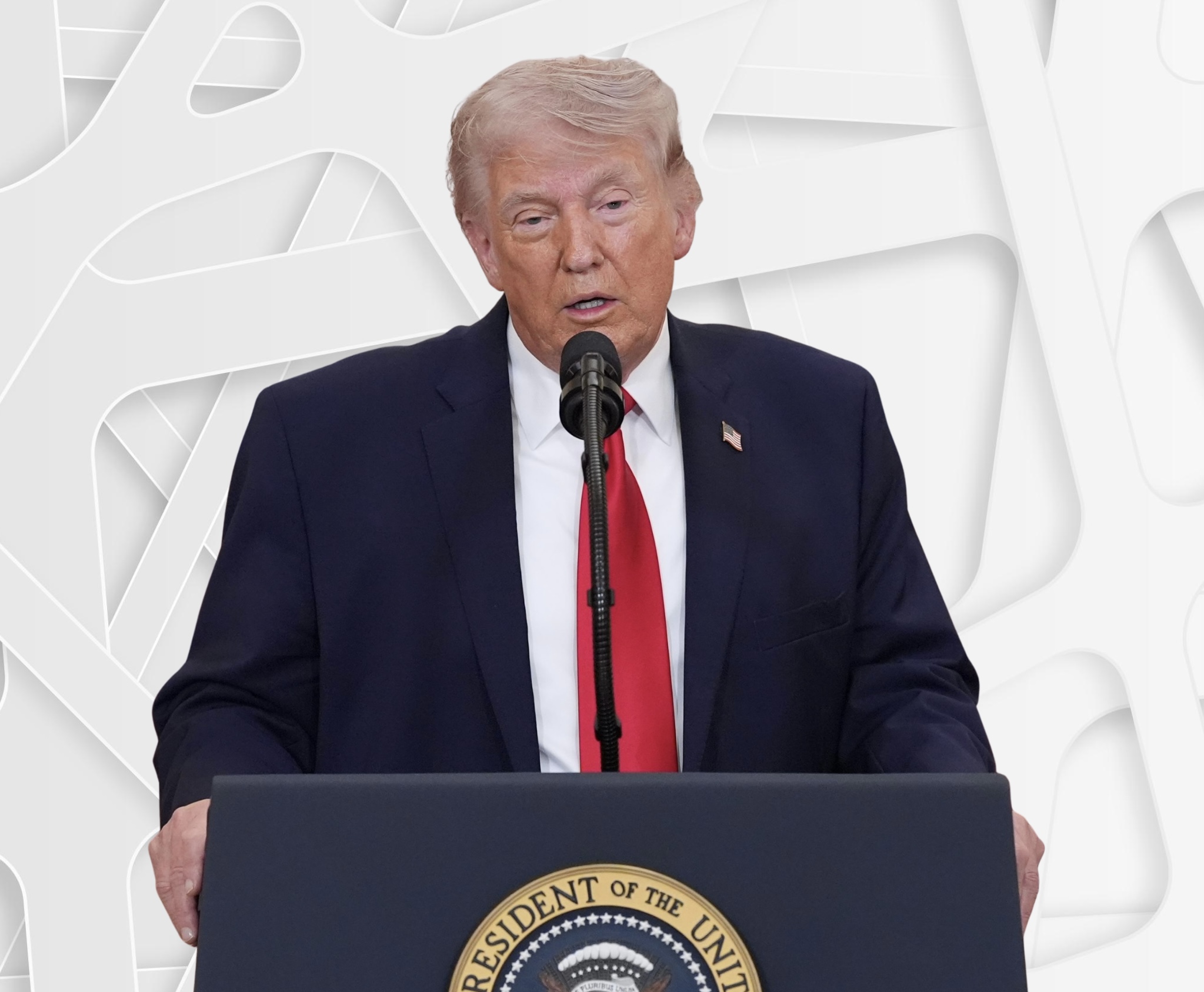
Global oil markets tightened sharply after Donald Trump vowed to intensify attacks on Iran, sending prices for near-term crude deliveries to record premiums over later contracts. Traders rushed to secure immediate supplies, pushing U.S. crude futures for next-month delivery to their largest-ever premium over the following month.
The market structure, known as backwardation, occurs when oil for immediate delivery trades higher than future shipments, signalling expectations of tighter supply in the short term. West Texas Intermediate (WTI) crude for May delivery traded as much as $16.70 per barrel above the June contract during Thursday’s session. Prices briefly touched $113.97 per barrel before settling at $111.42.
The surge in prices follows the ongoing U.S.-Israeli conflict with Iran, which has entered its fifth week and removed millions of barrels per day from global supply. The disruption has also triggered fuel shortages in countries dependent on shipments passing through the strategically vital Strait of Hormuz.
About 20% of global oil flows through the chokepoint, and traders fear prolonged disruptions. Trump said Iran would be hit “extremely hard” in the coming weeks, though he did not outline a plan to reopen the shipping route. He also suggested other nations should take responsibility for restoring safe passage.
Higher prices may encourage drilling but uncertainty remains
Although spot oil prices have surged, longer-term contracts have risen more modestly, creating uncertainty for producers considering new drilling. Oil for October delivery, often used as a benchmark for drilling decisions, traded around $73.64 per barrel, about 13% higher than before the conflict began in late February.
Industry executives say the increase could lead to more drilling later in the year, but companies want stronger long-term price signals before committing capital. Some producers indicated prices would need to remain above $75 per barrel into 2027 to justify new projects.
Data from Baker Hughes showed U.S. oil rigs rose by two to 411 this week, suggesting cautious optimism among producers.
Despite rising prices, policymakers and industry leaders say U.S. output is unlikely to increase in the near term. Dallas Federal Reserve President Lorie Logan noted that producers need confidence that higher prices will persist before ramping up production.
Long-dated crude prices remain significantly lower, with May 2027 futures trading around $68.43 per barrel, more than $40 below front-month contracts. The wide gap is discouraging companies from expanding drilling programs, as uncertain long-term profitability makes investment risky.
Analysts say the situation could lead to sustained volatility in oil markets, with consumers likely to face higher gasoline prices if supply disruptions persist.