

KEY POINTS
- Kenya now imports over 10 percent of its electricity from Ethiopia and Uganda to stabilize the national grid.
- Ethiopia supplies 200 megawatts under a 25-year agreement, with plans to double that to 400 megawatts.
- Kenya’s grid reserve margin stood at just 2.3 percent in early 2026, leaving little room for disruption.
Kenya’s national grid is operating on a thin margin. By the end of January 2026, peak demand had hit 2,439 megawatts against firm capacity of just 2,495 megawatts. That left a reserve margin of 2.3 percent. In grid management terms, that is not comfortable.
To hold the system together, Kenya has turned increasingly to its neighbors. Imports from Ethiopia and Uganda now account for more than 10 percent of electricity on the national grid, up from around 6 percent a year earlier. During evening peak hours, when solar output disappears and demand surges, cross-border flows are what keep the lights on.
Ethiopia emerges as Kenya’s second-largest power source
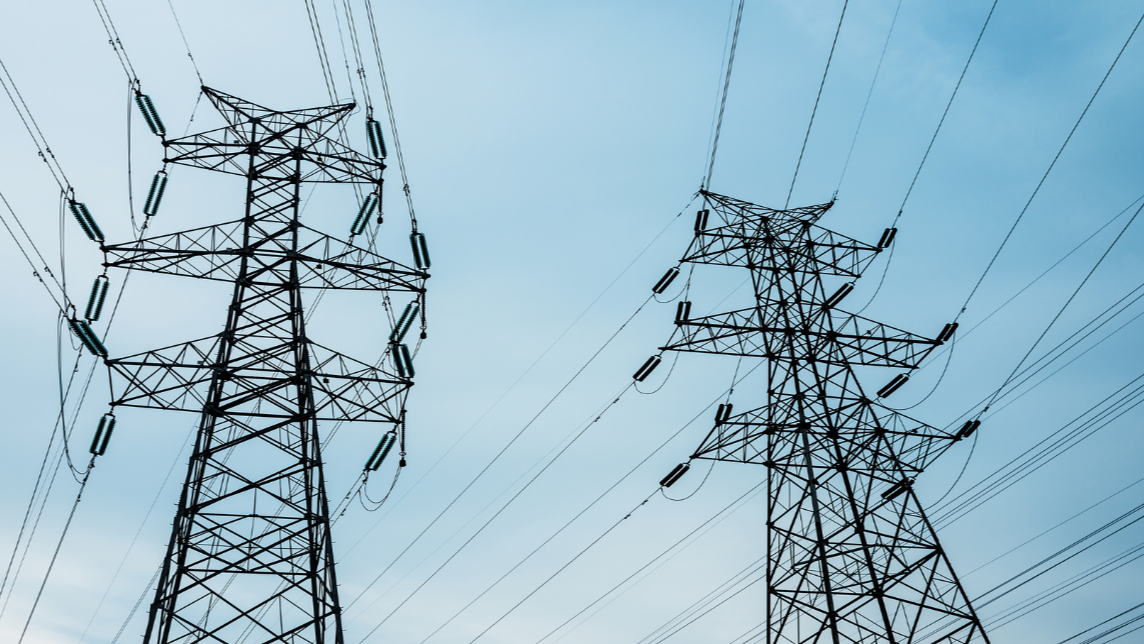
Since December 2023, Kenya has received a steady 200 megawatts from Ethiopia Electric Power Company under a 25-year power purchase agreement. Ethiopia is now the second-largest supplier of electricity to Kenya, behind only Kenya Electricity Generating Company. The electricity comes from hydropower and arrives through a 1,045-kilometer, 500-kilovolt High Voltage Direct Current transmission line connecting Ethiopia’s grid to Kenya’s Suswa substation.
The price matters too. Ethiopian electricity sells at 6.50 U.S. cents per kilowatt-hour, significantly cheaper than what most Kenyan independent power producers charge. That cost advantage has pushed imports up even as it creates a separate pressure: Kenya has had to curtail over 511 gigawatt-hours of its own geothermal generation between July and December 2024, more than double the year before, because cheaper imports made domestic output uneconomical at off-peak hours.
Plans to scale Ethiopian imports to 400 megawatts are underway. A new 400-kilovolt transmission line connecting Kenya and Tanzania was energized in December 2024, opening another corridor for regional power trade.
A grid that runs on regional cooperation
Kenya’s domestic mix includes geothermal at 943 megawatts, hydropower at 872 megawatts, solar at 514 megawatts and wind at 436 megawatts. Each source has limitations. Hydro depends on rainfall. Solar stops at sunset. Wind is unpredictable. Geothermal is the most reliable but takes years to develop.
Regional imports fill the gap in real time. Uganda provides additional backup, though volumes from Kampala have dipped slightly in recent months. The East African Power Pool interconnections are becoming structural, not supplementary.
Kenya’s grid now connects to Ethiopia, Uganda and Tanzania. The next question is whether new domestic capacity can arrive fast enough to keep the reserve margin from shrinking further as demand continues to grow.