KEY POINTS
- Kenya’s $1 billion Microsoft-G42 data center has effectively collapsed over power capacity limits.
- The project would have consumed a third of Kenya’s total 3,000-megawatt installed capacity.
- Ruto now cites the failure to justify his controversial $38 billion energy infrastructure drive.
Kenya’s $1 billion Microsoft data center is not happening. President William Ruto made that much plain last week, telling grassroots leaders in Nairobi that the project had run into a fundamental problem: the country simply does not have enough power.
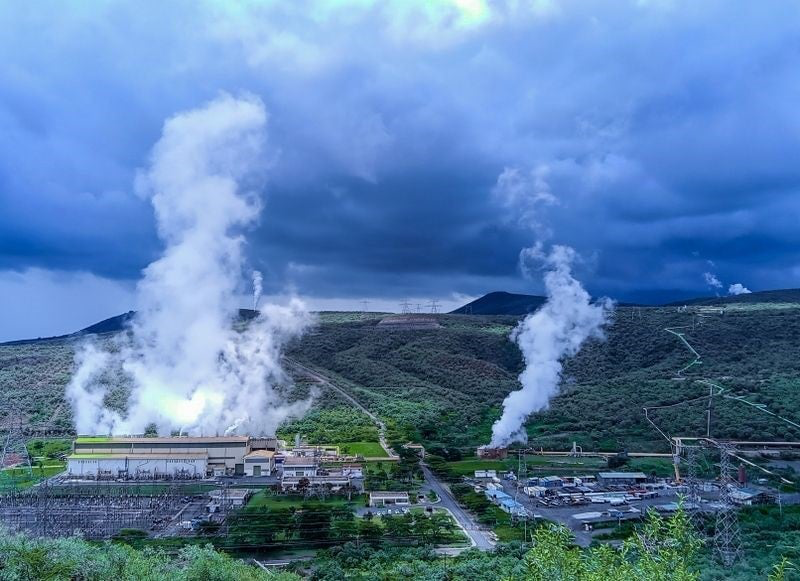
The facility was a joint venture between Microsoft and Abu Dhabi-based technology company G42. It was to be built about 60 miles northwest of Nairobi, running on Kenya’s geothermal grid. Ruto announced it with considerable fanfare during his state visit to Washington in May 2024. Orchestrated by the Biden administration, the project was pitched as a cloud infrastructure hub serving government and business clients on Microsoft’s Azure platform. Kenya’s geothermal resources, which account for roughly 40% of the country’s energy mix, were marketed as a clean, reliable advantage.
A power drain nobody had seen coming
Then the numbers landed. Ruto said calculations showed the data center would require approximately a third of Kenya’s total installed capacity, currently around 3,000 megawatts.
“To switch on that one data center, we would need to shut off power for half the country,” he told the gathering. “That’s when I knew there was a problem.”
Government officials, speaking on condition of anonymity, said Kenya’s technology ministry drafted a project concept note last year and submitted it to the National Treasury. The Treasury withheld approval. By August last year, a meeting between Kenyan officials and Microsoft executives had effectively settled it: the data center would not be online by its original May 2026 target. Semafor had flagged as early as September that the project was stalled, with no ground broken and its future increasingly in doubt.
A $38 billion argument Ruto is now making
Ruto is using the collapse as a policy justification. He argues Kenya must raise its installed capacity to 10,000 megawatts by 2030 before projects of this scale can realistically land. That target is central to his administration’s push to raise $38 billion through government asset sales and private capital. The plan has drawn legal scrutiny and fierce political opposition.
The tension is hard to miss. Geothermal power was supposed to be Kenya’s competitive edge: renewable, homegrown and steady. It drew Microsoft and G42 in the first place. The grid just could not absorb the load.
G42 declined to comment. Microsoft did not respond to a request for comment before publication.