

KEY POINTS
- Johannesburg owes Eskom R6.84 billion, not the R5.2 billion widely reported, with more due in June.
- Mayor Dada Morero’s State of the City Address offered no plan to settle the mounting Eskom debt.
- Eskom last threatened to cut Johannesburg’s power in November 2024 when the debt stood at R4.9 billion.
The number being cited in Johannesburg’s electricity debt crisis is wrong. It is not R5.2 billion. It is R6.84 billion. And the mayor of the city spent his State of the City Address last week saying almost nothing about it.
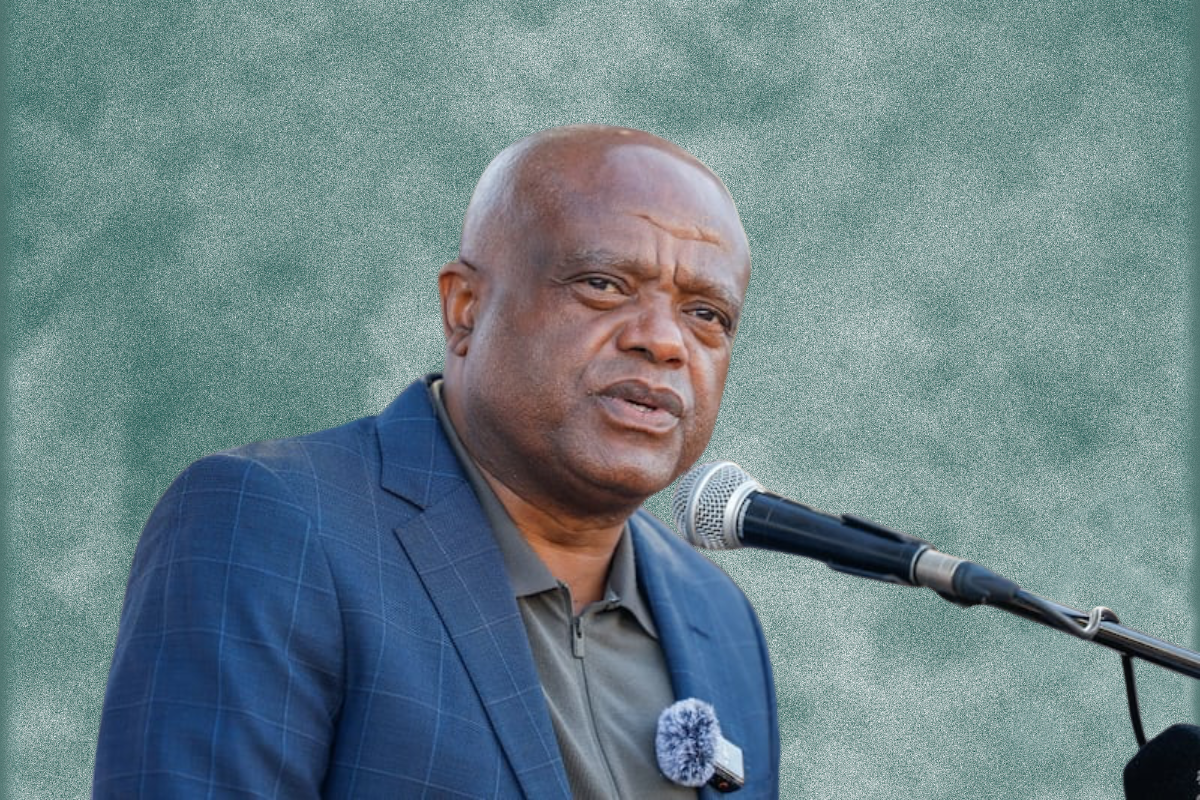
Mayor Dada Morero delivered the annual address with residents waiting for answers on the most pressing issue facing the city’s finances. What they got instead was a defense of his administration and a series of swipes at political rivals. The electricity debt was acknowledged. A plan to pay it was not.
The math is straightforward. The City of Johannesburg’s outstanding amount to Eskom stands at R5.26 billion in May. An additional R1.54 billion falls due in June. At current payment trajectories, that full R6.84 billion is heading in one direction.
The city buys electricity from Eskom and resells it to residents. Any threat of disconnection is not limited to municipal buildings. It extends directly into homes.
What the mayor should have said
A State of the City Address is supposed to serve two purposes: accounting for what has been done and laying out what comes next. Morero delivered neither on the electricity front. Telling residents that his administration was “taking it seriously” is not a plan. It is a holding statement from a mayor who, by most political readings, will not be the ANC’s mayoral candidate when the next election arrives.
The debt is not static. When Eskom threatened to cut off Johannesburg in November 2024, it was owed R4.9 billion. The intervention of Electricity Minister Kgosientsho Ramokgopa and a subsequent settlement pulled the city back from the edge. That number has since climbed by nearly R2 billion.
A city getting worse, not better
The electricity debt does not exist in isolation. It sits alongside deteriorating roads, struggling city entities and a pattern of financial bleeding that has drawn no clear turnaround commitment from the administration. Morero chose to use his platform to take aim at Cape Town rather than speak to Johannesburg’s own problems.
Residents do not pay rates in Cape Town. They pay them in Johannesburg, and they deserved better from their mayor’s annual address than what they received.