KEY POINTS
- The World Bank is providing a $50 million IDA credit to expand electricity access in Lesotho.
- Lesotho’s rural electrification rate stands at just 43 percent compared to 84 percent in urban areas.
- Lesotho must add 45,000 new connections annually to meet its universal energy access goal by 2030.
Lesotho is getting a $50 million push toward universal electricity access. The World Bank Group announced a credit from the International Development Association to fund the Accelerating Sustainable and Clean Energy Access Transformation project in Lesotho, known as ASCENT, targeting nearly 147,000 residents and businesses currently without reliable power.
The gap between where Lesotho is and where it needs to be is stark. Household electricity access has grown from 7 percent in 2004 to 59 percent in 2024. But the current pace of roughly 4,000 new connections per year falls far short of the 45,000 annual connections the country needs to reach universal access by 2030. In rural areas, the situation is sharper still. Only 43 percent of rural households have electricity, compared to 84 percent in urban areas. Many families still rely on kerosene, candles and biomass.
“Expanding access to reliable and sustainable electricity is critical to reducing energy poverty, improving household productivity, supporting micro, small, and medium enterprises growth, and strengthening essential social services,” said Retselisitsoe Matlanyane, Lesotho’s Minister of Finance and Development Planning.
Grid expansion and off-grid solutions working together
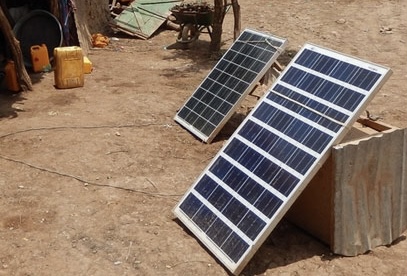
ASCENT will expand grid connections across urban, peri-urban and rural areas, prioritizing communities with the lowest electrification rates. Where the grid is unlikely to reach households in the near term, particularly in mountainous highland regions where grid extension is costly and technically complex, the project will pilot off-grid and distributed renewable energy solutions.
The project also includes technical assistance to support utility reform, strengthen national electrification planning and promote the adoption of clean cooking, targeting the structural and household-level barriers that have slowed progress.
World Bank Country Representative for Lesotho Dinara Djoldosheva said Lesotho’s renewable energy resources, including solar, wind and hydropower, have the potential to exceed the country’s energy needs. “This is a catalyst for job creation and private sector growth,” she said, adding that expanding electricity access will reduce energy burdens that fall disproportionately on women and girls.
Lesotho’s place in Mission 300
ASCENT-Lesotho is part of the broader regional ASCENT program under Mission 300, a joint World Bank Group and African Development Bank initiative targeting electricity connections for 300 million people across Africa by 2030. Lesotho’s National Energy Compact under that initiative sets out the regulatory, institutional and financial conditions needed to deliver and sustain expanded energy access over time.