KEY POINTS
- NERC has launched Net Billing Regulations 2026 allowing consumers to sell excess solar power to the national grid.
- Eligible participants must meet capacity requirements and install bidirectional meters to track energy flow.
- The policy is expected to boost renewable energy adoption and improve electricity supply in Nigeria.
The Nigerian Electricity Regulatory Commission, NERC, has begun implementing its Net Billing Regulations 2026, a new policy that allows electricity consumers to generate their own power and sell excess electricity back to the national grid.
The development was announced through a post by the Nigeria National Grid on X (formerly Twitter), describing the initiative as a major step toward integrating renewable energy users into the formal electricity market.
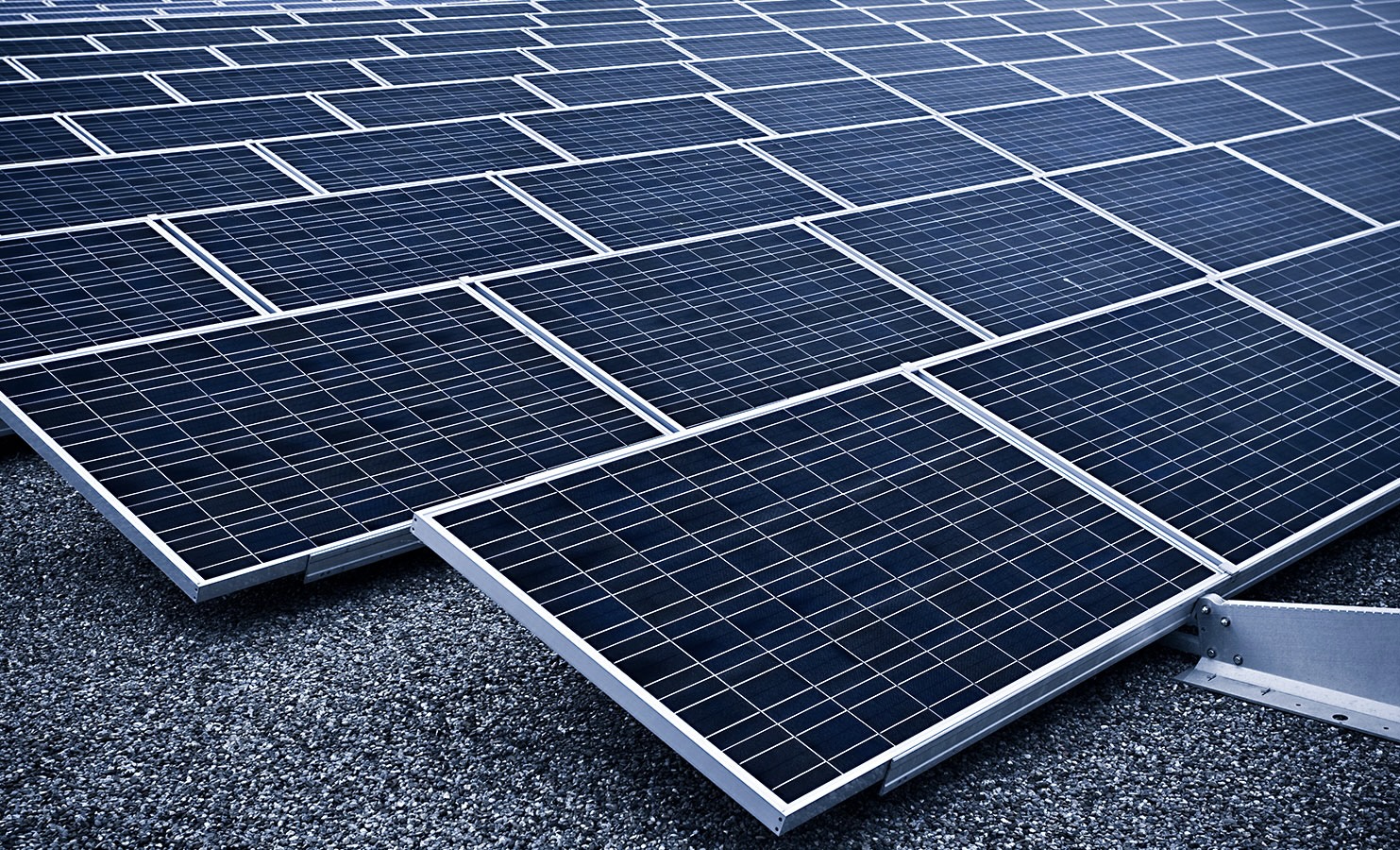
Under the framework, eligible users, especially those with solar power installations, can supply surplus electricity to their Distribution Companies (DisCos) and receive credits in return.
The new arrangement introduces a “prosumer” model, where electricity customers function both as consumers and producers of power.
When a user’s solar system generates more electricity than they consume, the excess energy is exported to the grid and recorded for billing credits.
To ensure proper tracking, approved participants will be fitted with bidirectional meters that measure both electricity consumed from the grid and energy supplied back into it.
Industry experts say the system could significantly improve efficiency in power distribution while boosting renewable energy adoption across the country.
Eligibility Rules for Participants
NERC clarified that the scheme is not open to all electricity users, as it is designed for larger and more structured renewable energy systems.
To qualify, applicants must already be connected to a DisCo network and operate a renewable energy system with a capacity ranging from 50 kilowatt-peak (kWp) to 1.5 megawatt-peak (MWp).
They are also required to obtain approval from their DisCo, sign a Net Billing Agreement, and register with NERC before participating in the programme.
Stakeholders believe the initiative could attract more investment in renewable energy and reduce pressure on the national grid.
By allowing private electricity producers to contribute surplus power, the policy is expected to strengthen supply reliability and support Nigeria’s transition toward cleaner energy sources.
However, its success will depend on proper regulation, infrastructure readiness, and widespread compliance by distribution companies and participants.