KEY POINTS
- Kenya Power is migrating all EV charging customers onto its dedicated e-mobility tariff nationwide.
- Monthly EV charging revenues peaked at Sh35.25 million in February 2026, up from Sh873,907 in 2023.
- Kenya registered over 35,000 electric vehicles by end of 2025, up sharply from 796 three years earlier.
Kenya Power knows electric vehicles are on the roads. What it does not always know is who is charging them and whether those customers are on the right tariff.
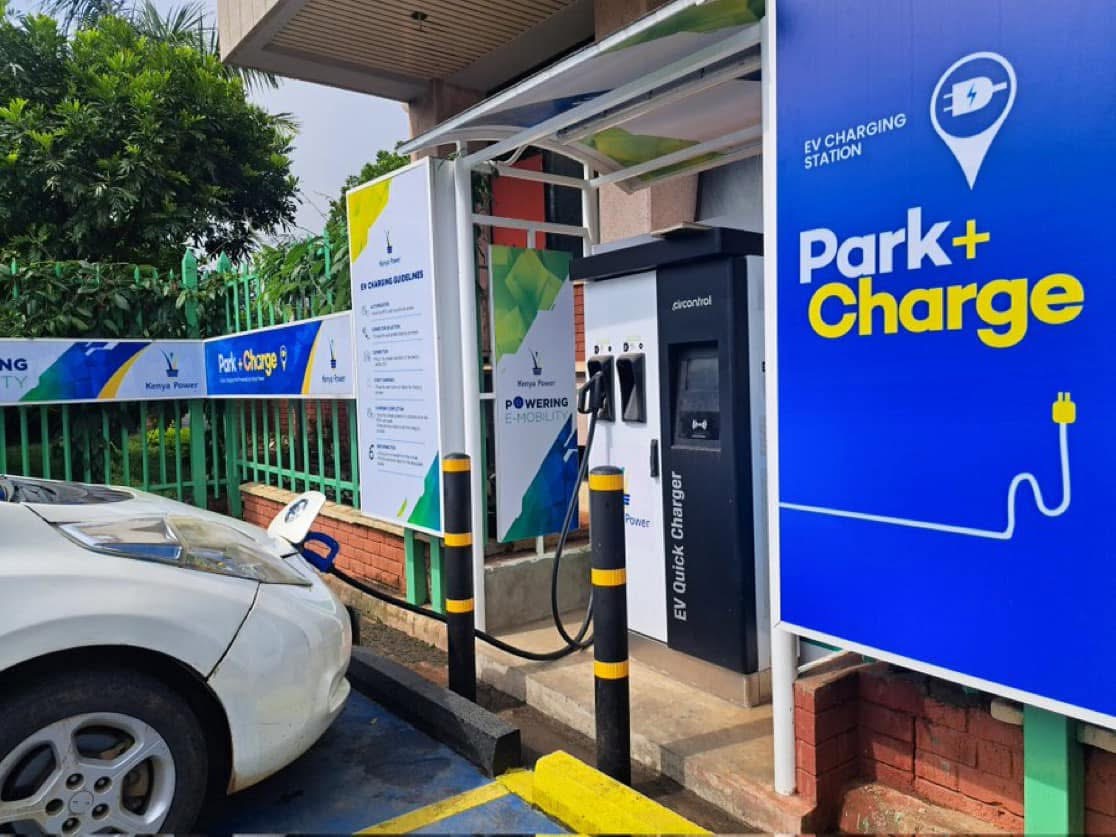
The utility has launched a nationwide exercise to identify and migrate all EV charging customers onto its dedicated e-mobility tariff. The drive targets users currently billing their EV charging under standard domestic or commercial rates rather than the specialized structure that has been available since July 2023.
That tariff, approved by the Energy and Petroleum Regulatory Authority, offers EV users electricity at Sh16 per unit during peak hours and Sh8 per unit during off-peak hours. Kenya Power says the pricing was designed to drive adoption while giving the utility better visibility into where and when EV demand is building.
Managing Director Joseph Siror said the push goes beyond revenue tracking. “The transition must serve not only private car owners, but also public transport, two and three wheelers, logistics operators, county transport systems, small businesses and ordinary Kenyans who need cleaner, cheaper and more reliable mobility options,” he said.
From Sh873,000 a month to Sh35 million and rising
The numbers tell a clear story about where Kenya’s EV market is heading. Monthly revenues from the e-mobility tariff rose from Sh873,907 in July 2023 to a peak of Sh35.25 million in February 2026. Total cumulative revenues between July 2023 and April 2026 reached Sh382 million.
Electricity consumption in the segment grew 113 percent over the 34-month period, from 13,500 kilowatt-hours to 1.5 million kilowatt-hours monthly. November 2025 marked the first time consumption crossed the one-million kilowatt-hour threshold in a single month. Kenya Power says that level has been sustained since.
Nairobi dominates the picture. The capital contributed Sh271.9 million of the Sh382 million total. The Coast region followed at Sh55 million. North Eastern contributed Sh35 million and West Kenya Sh11.5 million, reflecting how EV adoption remains concentrated in urban and commercial corridors.
Kenya’s EV ambitions and the road to 2030
Kenya had more than 35,000 registered electric vehicles by the end of 2025, a sharp rise from 796 units three years earlier. The growth has been driven partly by policy incentives including duty exemptions on the first 100,000 imported EVs, zero-rated VAT on EVs and lithium-ion batteries, and reduced excise duties on electric motorcycles and bicycles.
Kenya Power is projecting EV-related electricity sales could reach Sh5.9 billion by 2030. The Electric Mobility Association of Kenya puts the figure slightly lower at Sh5.79 billion, with annual grid demand expected to reach 121 gigawatt-hours. The utility currently has 331 registered customers on the e-mobility tariff and expects that number to reach 1,000 by the end of the current financial year.