KEY POINTS
- Cooking gas now sells as high as ₦2,400 per kg in parts of Nigeria
- Prices vary widely due to supply gaps and transportation costs
- Many households are switching to charcoal and firewood due to affordability
Nigerians across major cities are struggling with a sharp increase in the price of Liquefied Petroleum Gas, LPG, commonly known as cooking gas, which now sells for as high as ₦2,400 per kilogramme in some areas.
The spike has intensified the financial strain on households already battling high food inflation and transport costs, forcing many families to reconsider their cooking options.
Checks across Lagos, Ibadan and Ilorin showed significant price differences depending on location and vendor.
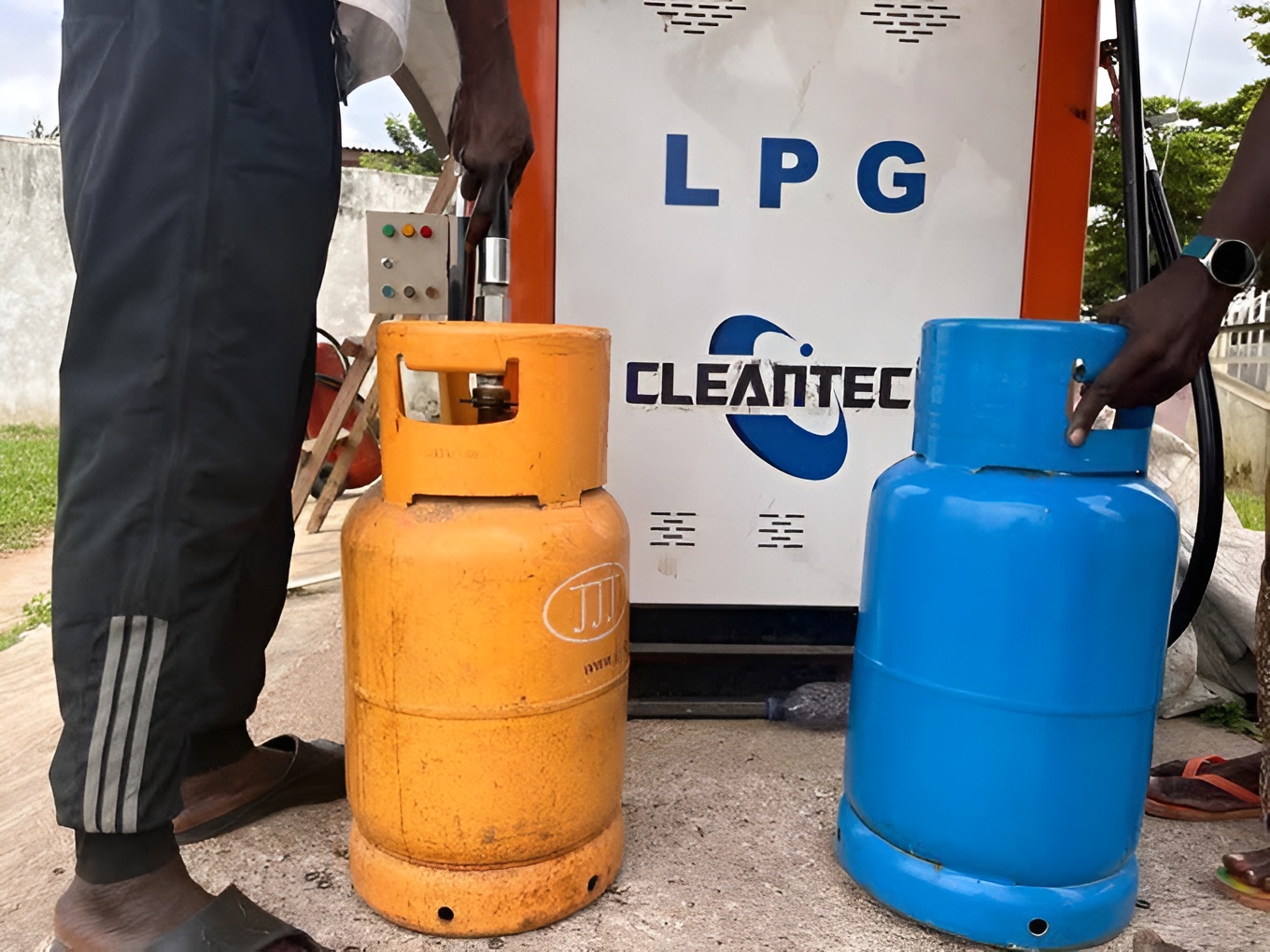
Some filling stations sold LPG between ₦1,650 and ₦1,900 per kilogramme, while neighbourhood retailers and black-market operators pushed prices as high as ₦2,400 per kg.
At Bovas Filling Station in Ibadan’s Gbagi area, the product sold for ₦1,650 per kg, while other outlets reported higher figures.
In Lagos, residents said prices had jumped within weeks. One buyer noted that gas previously sold for about ₦1,100 in May now costs around ₦1,650 at some stations.
Households Turn to Cheaper Alternatives
The rising cost is forcing many families to change their cooking habits, with some switching back to charcoal and firewood.
A resident in Ilorin said some households have abandoned gas entirely due to instability in pricing and supply.
Others described frequent increases as frustrating and unsustainable, especially for low-income earners who rely heavily on LPG for daily cooking.
Despite increased domestic production of LPG, prices have continued to rise.
Marketers under the Nigerian Association of Liquefied Petroleum Gas Marketers (NALPGAM) warned that supply instability and rising landing costs are driving up retail prices.
They reported that a 20-metric-tonne load now costs between ₦25.2 million and ₦26.2 million, contributing to higher pump prices nationwide.
Retailers also pointed to transportation and operational expenses as key factors pushing prices upward, especially in areas far from major depots.
The association warned that continued price volatility could lead to scarcity and further strain on households.
They also expressed concern that the situation could undermine government efforts to promote cleaner energy use through wider LPG adoption.