KEY POINTS
- NERSA proposes limits on gas price increases to curb monopoly power
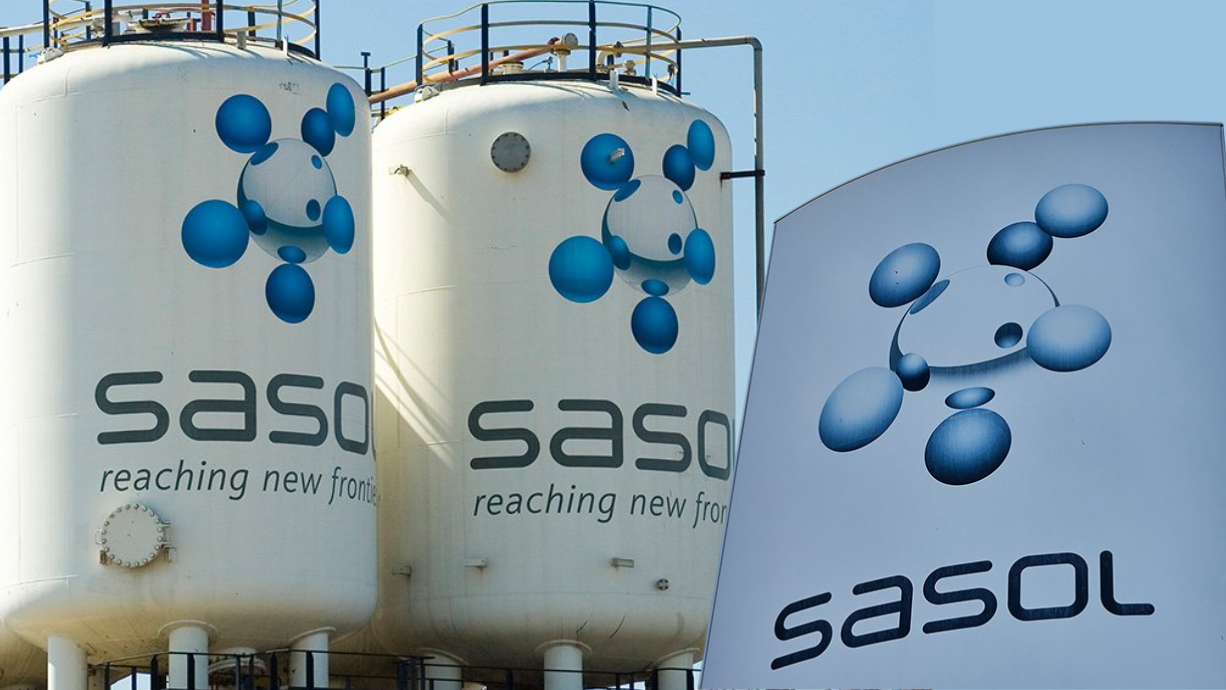
- Move targets Sasol’s dominance in South Africa’s piped gas market
- Proposal aims to protect industrial users and stabilise gas pricing
South Africa’s energy regulator, the National Energy Regulator of South Africa, NERSA, has proposed a cap on gas price increases in a bid to curb concerns over the market dominance of energy giant Sasol and to protect industrial gas users from rising costs.
The proposal comes amid ongoing debates about pricing structures in the country’s piped-gas market, where Sasol remains the dominant supplier.
NERSA is reportedly considering new limits on how much gas prices can increase, particularly for industrial consumers who rely heavily on piped natural gas for production.
The regulator’s move is aimed at preventing excessive price hikes that could undermine manufacturing competitiveness and place additional strain on energy-intensive industries.
Officials say the proposal is part of broader efforts to ensure fair pricing in a market where competition remains limited.
Concerns Over Market Dominance
Sasol’s position as the primary supplier of piped gas in South Africa has long raised concerns about monopoly pricing power.
Industrial users and advocacy groups have previously argued that the company’s pricing model can result in costs that are higher than what would be expected in a more competitive market.
NERSA’s latest proposal reflects growing regulatory pressure to balance commercial sustainability with affordability and economic stability.
The proposed cap is expected to shield large gas consumers, including manufacturers and power-related industries, from sharp price increases that could affect production costs and overall economic performance.
Regulators have emphasised that stable and predictable pricing is critical for investment planning and industrial growth.
By limiting steep increases, authorities hope to reduce uncertainty in the energy market and support downstream economic activity.
The move adds to ongoing discussions in South Africa about how best to regulate gas pricing while ensuring sufficient investment in infrastructure and supply.
While suppliers argue that pricing must reflect costs and investment risks, regulators are under pressure to ensure affordability and prevent market abuse.
The outcome of NERSA’s proposal is expected to shape the future of gas pricing policy in the country, particularly as demand for energy continues to grow across industrial sectors.