KEY POINTS
- Dangote Refinery plans to raise up to $2 billion through an Initial Public Offering (IPO) expected in September 2026.
- The listing could become the largest IPO in African history, with strong interest from local and international investors.
- The refinery’s strong financial performance and growing production capacity have boosted investor confidence despite regulatory scrutiny.
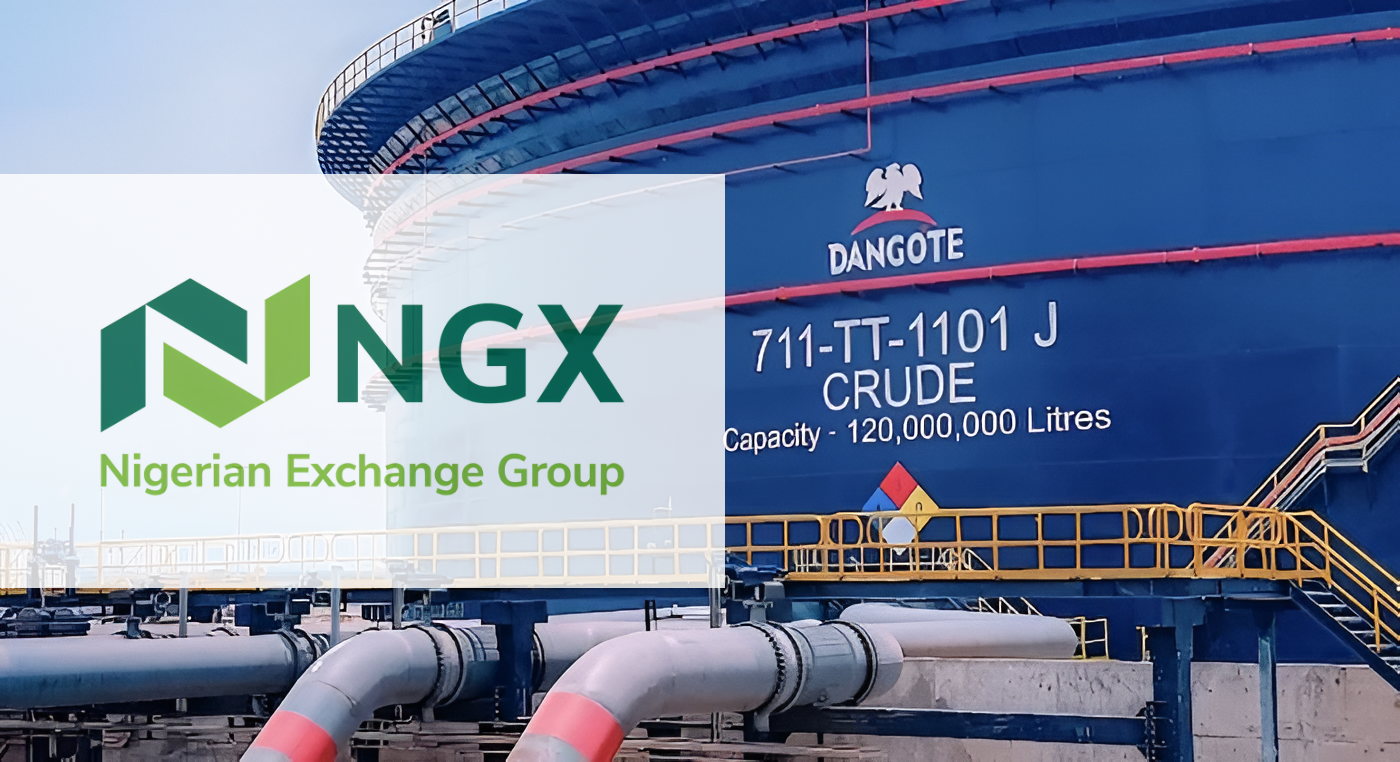
Dangote Petroleum Refinery is preparing for what could become the largest Initial Public Offering (IPO) in Africa’s history, with plans to raise as much as $2 billion through a public share sale expected in September 2026.
According to a Bloomberg report, the proposed listing has generated exceptional interest from investors across Nigeria and abroad, with demand already exceeding expectations even before the official launch of the offering.
The planned IPO is expected to value the refinery at approximately $40 billion, although some analysts believe its market value could reach as high as $50 billion, reflecting growing confidence in the company’s future earnings and strategic importance.
Investor Demand Surges Ahead of Public Offer
Bloomberg reported that institutional investors have already expressed interest worth nearly $2 billion, highlighting the strong appetite for shares in what many consider one of Africa’s most significant industrial assets.
Interest has come from a broad range of investors, including pension funds, asset managers, wealthy Nigerians and first-time retail investors seeking to own a stake in the massive refinery.
The report described the planned listing as a rare opportunity for investors to participate in a project of such scale, adding that it will serve as a major test of the depth and maturity of Africa’s capital markets.
Dangote Refinery intends to sell about 10 per cent of its equity during the IPO, with shares expected to be listed on multiple African stock exchanges, including the Nigerian Exchange Limited (NGX).
Since beginning operations in 2024, the Dangote Petroleum Refinery has significantly changed Nigeria’s downstream oil sector.
Located in the Lekki Free Trade Zone in Lagos State, the refinery has increased production to nearly 700,000 barrels of crude oil per day, making it one of the world’s largest single-train refineries.
Its operations have reduced Nigeria’s dependence on imported petroleum products and helped transform the country into a net exporter of refined fuel to several African markets.
The refinery was conceived to address Nigeria’s long-standing challenge of exporting crude oil while importing refined petroleum products despite being one of Africa’s largest crude producers.