KEY POINTS
- Uganda expects a final investment decision on its planned $4bn crude oil refinery in February 2027
- UAE-based Alpha MBM Investments is expected to own 60% of the 60,000-barrel-per-day refinery
- The refinery is central to Uganda’s oil ambitions, alongside the EACOP pipeline, which remains slightly behind schedule due partly to disruptions linked to the Middle East conflict.
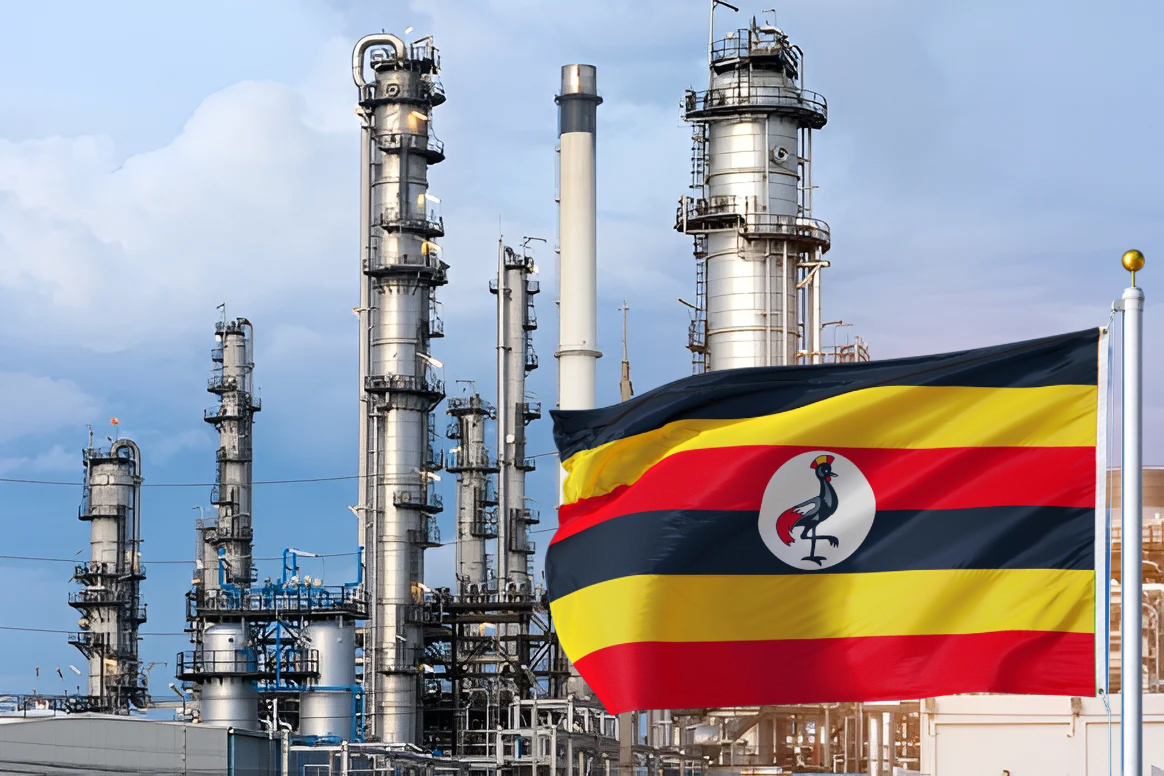
Uganda is targeting February 2027 for a final investment decision (FID) on its long-delayed $4 billion crude oil refinery, a development that could mark a major step towards establishing the East African country as a significant oil-producing and refining hub.
The Petroleum Authority of Uganda (PAU) said the final investment decision is expected in February 2027, while basic engineering work on the proposed refinery has already commenced.
The planned facility is expected to play a central role in Uganda’s emerging oil and gas industry, particularly as the country prepares to begin commercial production from its crude oil fields in the western part of the country.
If the investment decision is reached as planned, it could unlock the next stage of development for a project that has faced years of delays and unsuccessful negotiations with prospective investors.
The planned refinery is estimated to cost about $4 billion and is designed to have a processing capacity of 60,000 barrels of crude oil per day.
The facility is expected to process crude produced from Uganda’s oil fields, providing the country with domestic refining capacity as it develops its petroleum industry.
Rather than exporting all of its crude for processing abroad and importing refined petroleum products, Uganda hopes the refinery will allow it to capture greater value from its own oil resources.
The project could also help strengthen domestic supplies of petroleum products and potentially reduce Uganda’s exposure to international refined-fuel markets.
The refinery is being developed under an agreement between Uganda and Alpha MBM Investments, a United Arab Emirates-based investment company.
Uganda signed a memorandum of understanding with Alpha MBM Investments in March 2025 for the development of the project.
Under the proposed ownership structure, Alpha MBM Investments is expected to hold a 60 per cent stake in the refinery, while the remaining 40 per cent would be owned by Uganda National Oil Company (UNOC), the state-owned petroleum company.
The partnership represents Uganda’s latest attempt to secure private-sector investment for the refinery after previous initiatives involving investors from Russia and South Korea failed to progress to development.
Engineering work has already started
The Petroleum Authority of Uganda said basic engineering work for the refinery has begun ahead of the targeted February 2027 final investment decision.
The FID represents a crucial stage in the project because it would indicate that the investors have completed key technical, commercial and financial assessments and are prepared to commit to the next phase of development.
A positive decision could pave the way for more extensive construction and associated infrastructure work.
However, the February 2027 target remains dependent on the completion of the necessary technical, financial, regulatory and commercial processes. The refinery is expected to become one of the central pillars of Uganda’s emerging hydrocarbons industry.
The country discovered commercially viable oil resources in the Lake Albert region in western Uganda and has been developing infrastructure required to move towards commercial production.
A functioning refinery could provide a domestic market for part of the country’s crude production while supporting the wider industrial economy.
The project could also generate employment and business opportunities during construction and operations, while creating demand for services linked to transportation, engineering, maintenance, logistics and energy supply.
The refinery is only one part of Uganda’s broader petroleum infrastructure plans.
The East African Crude Oil Pipeline (EACOP), a major project designed to transport Uganda’s crude oil to the Tanzanian coast for export, is also critical to the country’s plans to monetise its oil resources.
The Petroleum Authority of Uganda said EACOP was slightly behind schedule, attributing the delay partly to disruptions linked to the conflict in the Middle East.
The pipeline is expected to connect Uganda’s oil-producing region to the Indian Ocean through Tanzania, giving the landlocked country an export route for crude oil.
The refinery and pipeline are therefore being developed as complementary components of Uganda’s petroleum strategy, with one focused on domestic processing and the other on enabling international crude exports.
Uganda’s petroleum industry is approaching a potentially decisive phase as it works to translate its oil discoveries into actual commercial production.
The planned refinery could allow the country to develop a more integrated petroleum sector by combining crude production with domestic refining, while EACOP would provide the infrastructure needed to access international markets.
The February 2027 investment decision will therefore be closely watched by investors and industry stakeholders.