

KEY POINTS
- Presidency rejects concerns that Eskom is being sidelined in the restructuring.
- Eskom warns that transferring transmission assets could hurt its finances and lenders.
- Government remains committed to an independent transmission operator.
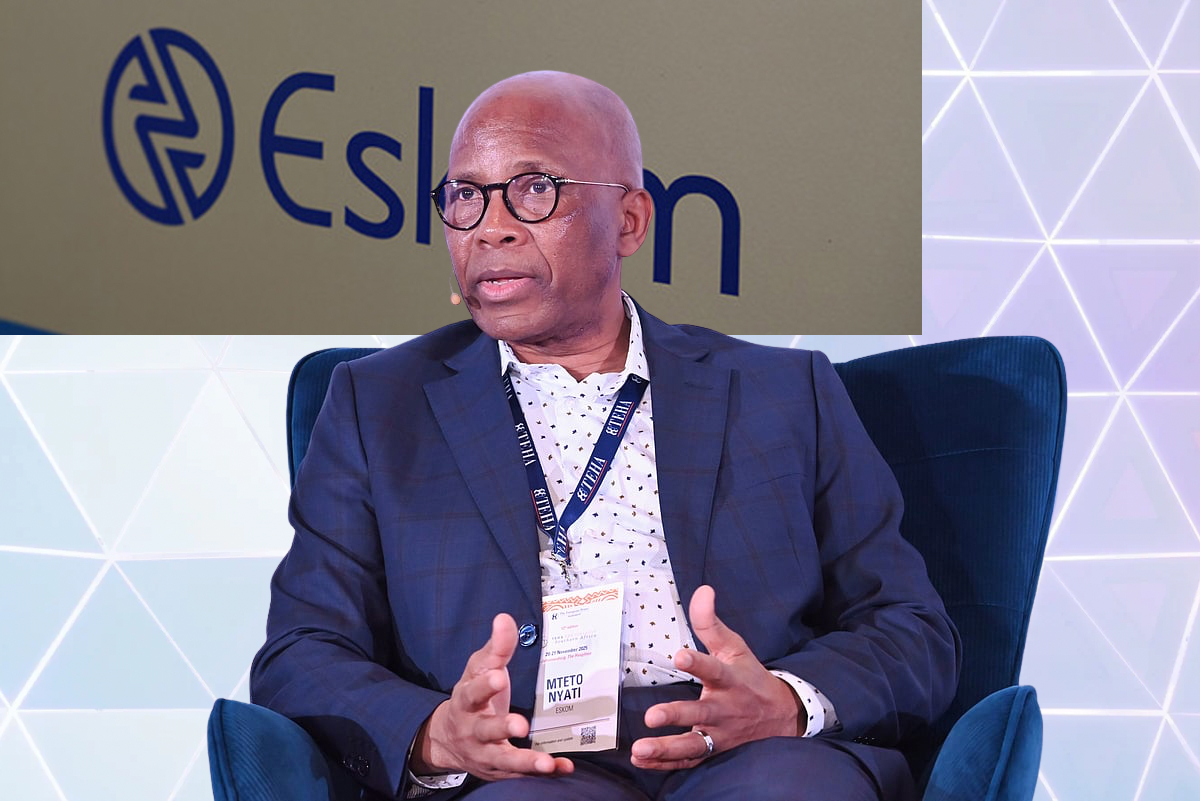
South Africa’s presidency has criticised Eskom chair Mteto Nyati for publicly raising concerns about the government’s plan to separate the electricity utility’s transmission business.
The disagreement comes as the government moves ahead with plans to create an independent transmission system operator, a major part of its effort to restructure Eskom and open the electricity market to more private-sector participation.
Presidential spokesperson Vincent Magwenya said the government is committed to ensuring that Eskom does not become financially weaker as a result of the restructuring.
He said Eskom’s concerns about the planned transfer of its transmission assets are already known and have been discussed by the government and the utility.
Magwenya’s comments followed concerns raised by Nyati, who warned that transferring transmission assets to an independent operator could create financial and legal problems for Eskom.
The presidency said the restructuring process is not being carried out without Eskom’s involvement. It noted that the Eskom Restructuring Task Team includes officials from President Cyril Ramaphosa’s office, National Treasury, the Department of Electricity and Energy, Eskom and the National Transmission Company South Africa.
Eskom warns of financial risks
Nyati has argued that the transmission assets should remain under Eskom’s ownership for an interim period until the financial and creditor-related risks are properly addressed.
His concerns centre on the possibility that moving the assets could trigger change-of-control clauses in Eskom’s lending agreements.
Such clauses could require lenders to review or renegotiate existing agreements if ownership or control of important Eskom assets changes.
Nyati also warned that the restructuring could create accounting difficulties and raise concerns among bondholders and other investors.
According to him, the transmission business is particularly important to Eskom because it contributes about 40% of the utility’s earnings.
He therefore believes that transferring the assets before Eskom’s existing liabilities are dealt with could weaken the utility’s balance sheet.
Despite the concerns, the presidency said the government remains committed to establishing a fully independent transmission system operator.
President Ramaphosa backed the plan last month as part of efforts to end Eskom’s long-standing dominance of South Africa’s electricity system.
The proposed structure is expected to allow more private electricity producers and traders to participate in the market.
The government believes the reform can help create a more competitive wholesale electricity market, encourage new investment and support economic growth.
The restructuring is also linked to changes under the Electricity Regulation Act, which provides the policy basis for a more competitive electricity industry.
National Treasury is expected to appoint advisers in the coming weeks to begin discussions with Eskom’s lenders about the planned separation of the transmission business.
Those negotiations are expected to be important because the government needs to ensure that the restructuring does not damage the rights and protections of Eskom’s creditors.
The discussions could also determine how and when the transmission assets are transferred while protecting Eskom’s financial position.
The government has repeatedly stressed that the restructuring should not leave Eskom in a worse financial position.