KEY POINTS
- Madagascar received 63,000 cubic metres of diesel from Asia to ease its energy emergency.
- The government says the shipment could keep Jirama supplied with fuel for about six months.
- Private fuel companies are protesting the government’s takeover of fuel imports and alleged seizure of a storage facility.
Madagascar has imported a major shipment of diesel to help ease an energy supply crisis that has disrupted fuel availability and placed pressure on electricity and water services across the country.
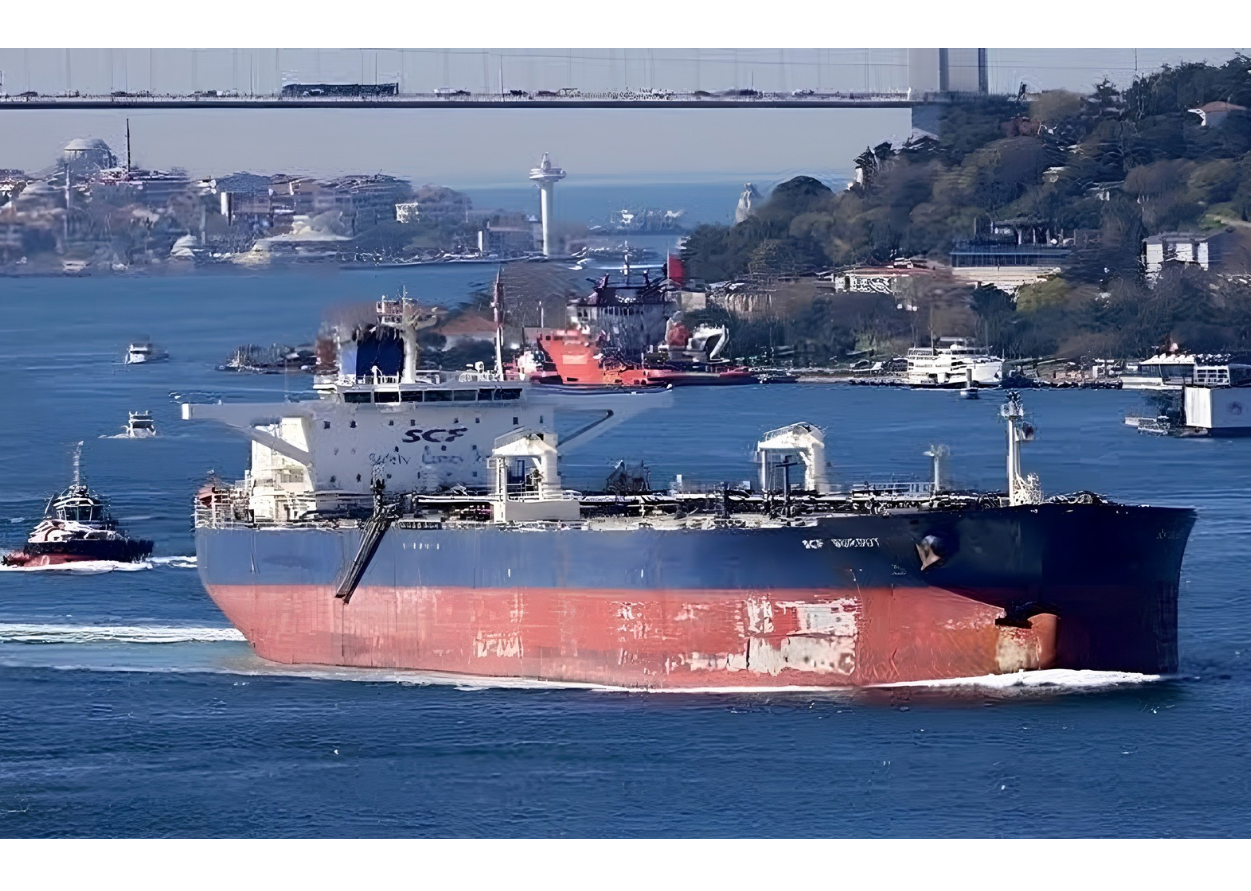
The 63,000-cubic-metre cargo arrived on Wednesday after being sourced from Asia through negotiations with Nigeria-based Sahara Group.
The shipment was arranged under an emergency procurement process as Madagascar struggled to secure adequate fuel supplies amid disruptions linked to the conflict in the Middle East.
Guillot Ramilison, chief executive of State Procurement of Madagascar, the government entity responsible for overseeing fuel imports, said the shipment was sourced from the vessel that could be rerouted to Madagascar most quickly.
He explained that the government had to act urgently because of the severity of the country’s fuel shortage.
Government Says Supplies Could Last Six Months
President Michael Randrianirina said the arrival of the diesel cargo should provide significant relief to the country’s energy sector.
According to the president, the additional fuel supply should enable Jirama, Madagascar’s state-owned electricity and water utility, to avoid major fuel shortages for about six months.
The shipment is therefore expected to provide temporary stability for power generation and other essential services that rely heavily on diesel.
Madagascar has faced persistent energy challenges, with fuel shortages contributing to difficulties in maintaining reliable electricity and water supplies.
The latest energy crisis has been partly linked to the wider geopolitical turmoil in the Middle East.
Madagascar declared a nationwide state of emergency in April because of fuel shortages associated with the conflict. The disruption exposed the country’s vulnerability to interruptions in international fuel supply chains and increased pressure on the government to secure alternative sources.
The emergency prompted authorities to take more direct control of fuel procurement as they sought to prevent shortages from worsening.
The diesel shipment is also significant because it comes after Madagascar introduced major changes to the way petroleum products are imported.
The country’s National Assembly passed legislation reforming the downstream petroleum sector and transferring responsibility for fuel imports to the state.
Previously, fuel imports were largely handled by a group of private operators. The new system gives the government greater control over the procurement and supply of petroleum products.
Authorities say the move is intended to strengthen the country’s ability to respond quickly to fuel emergencies and ensure adequate supplies of essential energy products.
The government’s decision has, however, created tension with private companies operating in Madagascar’s fuel sector.
Private operators, including businesses linked to TotalEnergies and global commodities trader Vitol, have accused the government of disrupting their own fuel-import operations.
The companies said the government requisitioned an oil-storage facility at the port of Toamasina. According to the operators, the move prevented them from unloading another tanker they had arranged to deliver diesel, unleaded petrol and kerosene.