KEY POINTS
- Libya is seeking $30bn–$40bn to develop more than 60 undeveloped oil and gas fields and raise crude output to 2 million barrels per day by 2030.
- Major companies including TotalEnergies, ConocoPhillips, Eni and Chevron are increasing their involvement as Libya’s energy sector recovers.
- Security risks, fuel smuggling, subsidies and weak finances remain major obstacles to attracting the investment needed for a sustained energy revival.
Libya is seeking between $30 billion and $40 billion in fresh investment to rebuild and expand its oil and gas industry, as the North African producer targets a major increase in crude output by 2030.
The funding drive comes as Libya’s energy sector shows signs of recovery following years of political instability, armed conflict and underinvestment. The country recorded its highest average crude production in 12 years in 2025, but major security, financing and infrastructure challenges remain.
The country’s National Oil Corporation (NOC) is seeking the new investment to develop more than 60 discovered oil and gas fields that remain undeveloped because of a lack of capital.
NOC Chairman Masoud Suleman said Libya wants to increase oil production to about 2 million barrels per day by 2030, compared with roughly 1.4 million barrels per day currently.
The target reflects the enormous potential of Libya’s hydrocarbon industry. The country holds Africa’s largest proven oil reserves and ranks among the world’s top oil reserve holders.
However, translating those reserves into higher production will require substantial spending on exploration, drilling, processing facilities, pipelines and other infrastructure.
Libya’s oil industry has already shown signs of recovery. The country averaged about 1.4 million barrels per day of crude production in 2025, its strongest performance in 12 years. The improvement has also encouraged major international energy companies to reconsider their presence in the country.
Several global producers have signed or expanded investment agreements with the Libyan government.
TotalEnergies and ConocoPhillips signed a 25-year development agreement, while Eni and Chevron secured deals related to offshore exploration.
The renewed interest suggests that international companies are becoming more willing to accept Libya’s risks in exchange for access to its substantial reserves and proximity to European energy markets.
Security remains a major concern
Despite the improved investment outlook, Libya’s political and security environment remains fragile.
The country continues to be divided between rival political factions, with armed groups retaining significant influence in parts of the country.
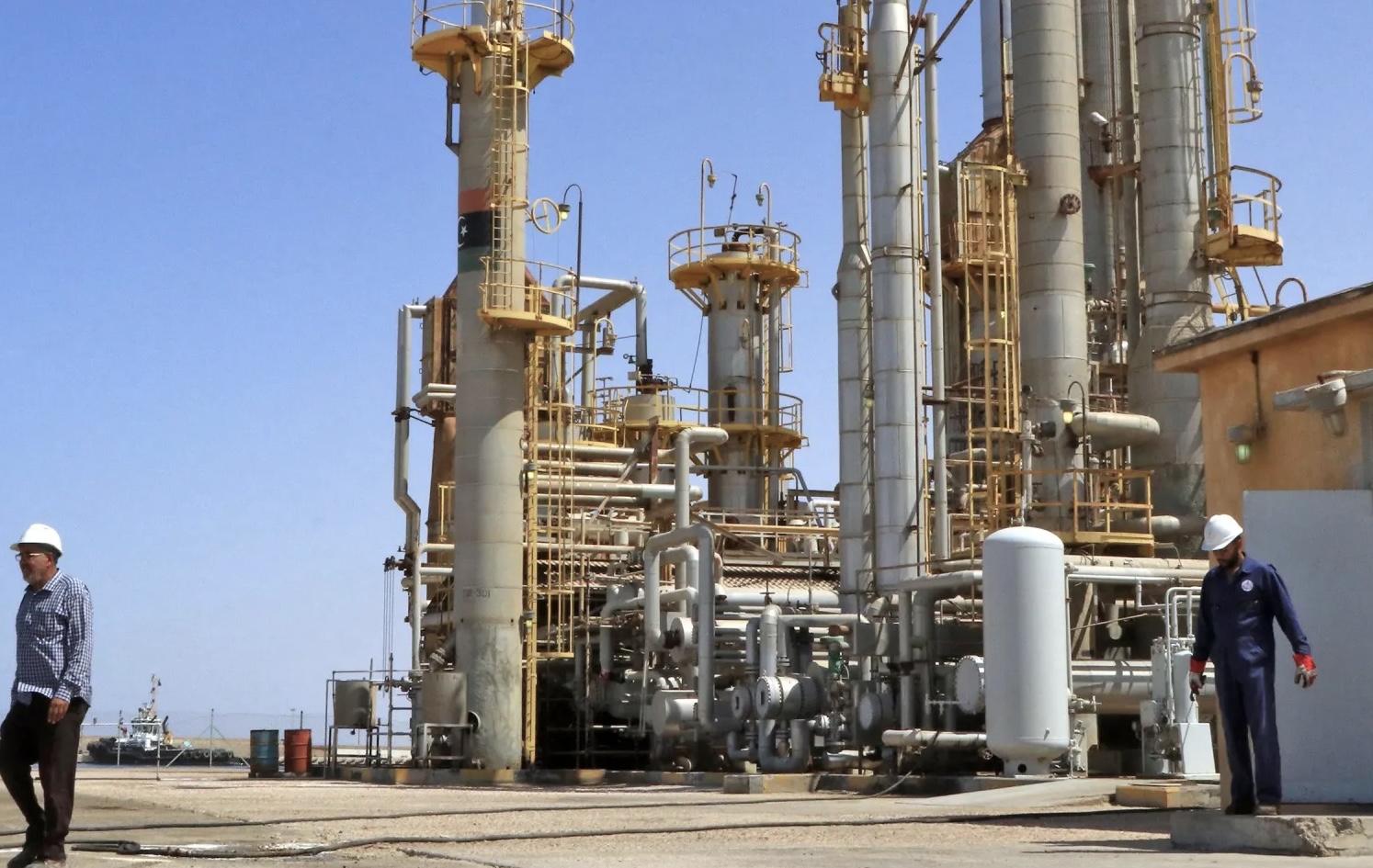
The risks were highlighted recently when drone strikes hit the Zawiya oil refinery in western Libya. The attack reportedly set a gas storage tank on fire and damaged a nearby power station.
Although no group claimed responsibility, the incident underscored the vulnerability of energy infrastructure and the potential risks facing foreign investors.
The NOC has played down the wider significance of the attack, arguing that it was confined to a limited area and was likely carried out by a small number of outlaws.
For international investors, however, repeated attacks on energy facilities could increase insurance costs and raise questions about the security of long-term projects.
Libya’s oil industry is also struggling with financial constraints.
The national budget has allocated about $2 billion to cover the NOC’s operating costs this year, but Suleman argues that the amount is inadequate.
He wants the corporation to retain between $6 and $7 from every barrel produced to finance its operations and investment requirements.
The NOC also faces the costly burden of importing fuel. Libya imports around 80% of its fuel at international prices but sells it domestically at heavily subsidised prices.
The difference places additional pressure on government finances and makes the energy sector more difficult to manage. If Libya succeeds in attracting $30 billion to $40 billion in new investment, the impact could extend well beyond higher oil production.
More output would increase export revenues, strengthen government finances and create opportunities for investment in infrastructure and public services.
Developing the gas industry could also help address domestic power shortages while creating another source of export income.
But achieving those gains will require more than drilling new wells. Libya will need stronger institutions, improved security, better infrastructure and reforms to fuel subsidies and smuggling.
The country’s enormous reserves give it the resources to become one of Africa’s leading energy producers. The challenge is creating the stable environment and investment framework needed to turn that potential into sustainable economic growth.