KEY POINTS
- Norway will keep drilling in the Arctic Barents Sea regardless of the EU’s stance, its energy minister said.
- Norway aims to hold oil and gas output near current levels until at least 2035, with the Barents Sea key.
- Aasland dropped the “green battery” idea and ruled out new power interconnectors with Europe.
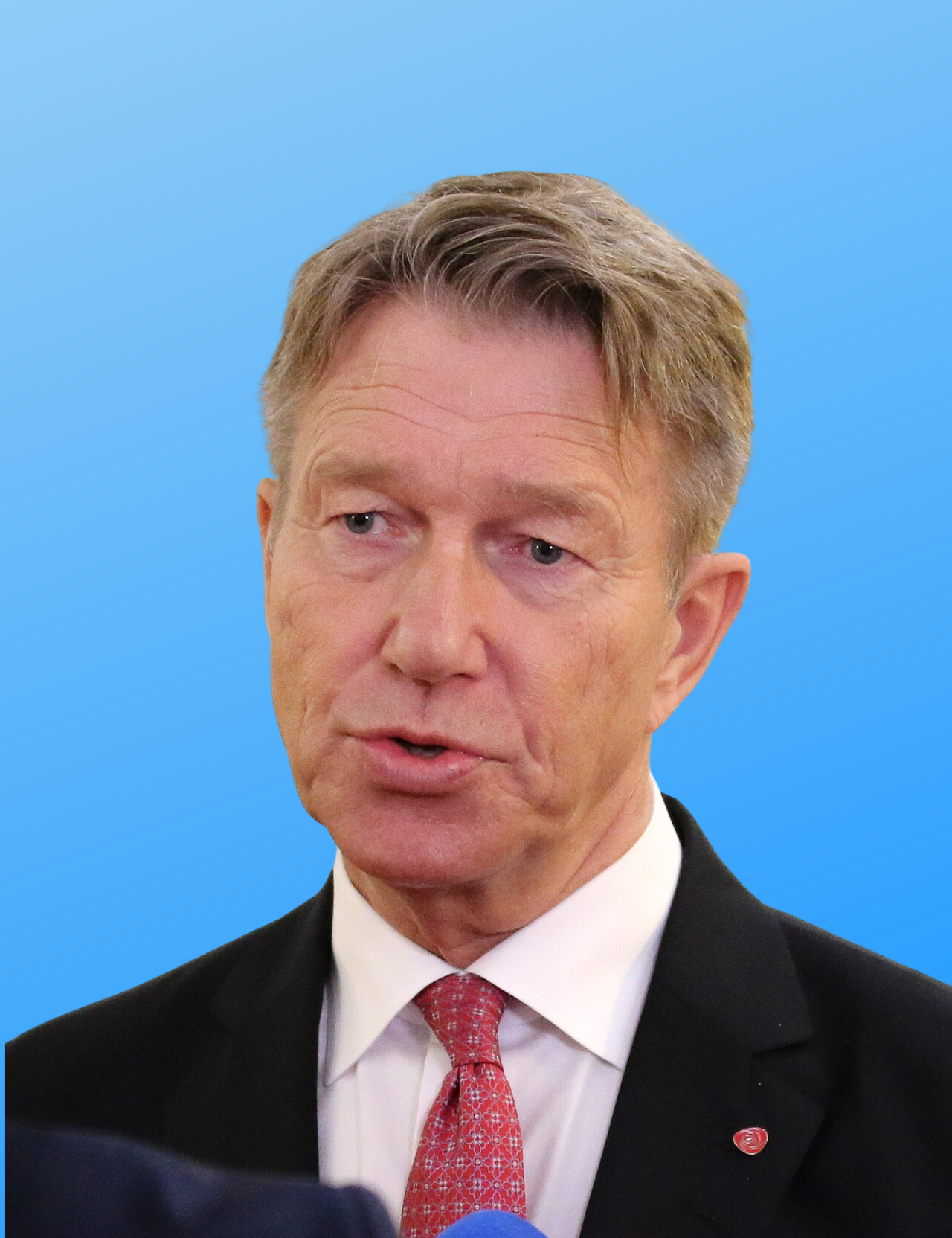
Norway will keep developing oil and gas in the Barents Sea regardless of the European Union’s backing for an Arctic drilling moratorium, and no longer casts itself as Europe’s “green battery”, Energy Minister Terje Aasland told Reuters.
Since Russia’s 2022 invasion of Ukraine, Norway has become Europe’s largest gas supplier, meeting about 30 percent of demand across the EU and Britain. Last year its gas output neared record levels and oil output hit its highest since 2009, yet official forecasts show production falling sharply after 2030 without new resources.
Arctic seen as vital to supply
According to Aasland, continued Barents Sea activity serves both Norwegian and European interests, and the Arctic must feature if Norway is to stay a long-term supplier. Moreover, he said Norway aims to hold output near current levels until at least 2035, and he argued that the opened Barents areas are ice-free, less prone to spills and vital to northern jobs.
Still, environmental campaigners pushed back. Greenpeace’s Paal Frisvold warned that fields found now risk starting up just as European gas demand slumps, raising the danger of stranded assets. However, Equinor chief Anders Opedal said the company could ship Arctic oil and LNG anywhere if the EU refused it, arguing that only European security would suffer.
Rethinking the ‘green battery’
Furthermore, Aasland dropped Norway’s old pitch as Europe’s green battery, calling it a flawed idea because the country alone cannot balance the continent’s power market. Consequently, he said Norway would build no new interconnectors, even though earlier links to Britain and Germany helped export its hydropower surplus.
Because deeper integration exposed Norway to European price swings, the plan has drawn domestic opposition as electricity bills climbed. Therefore, Aasland urged the continent to shore up its own stable supply, weakened by coal and nuclear closures and thin investment in gas plants. In addition, IEA chief Fatih Birol has also pressed the EU to rethink its Arctic opposition on energy-security grounds.