KEY POINTS
- Seplat CEO Effiong Okon urged oil and gas firms to prioritise asset integrity and maintain critical equipment at about 95% uptime.
- He called for gas monetisation, reduced flaring, better logistics and stronger cost controls to improve industry efficiency.
- Seplat plans to accelerate development of about 12 TCF of shallow-water gas while expanding domestic LPG activities.
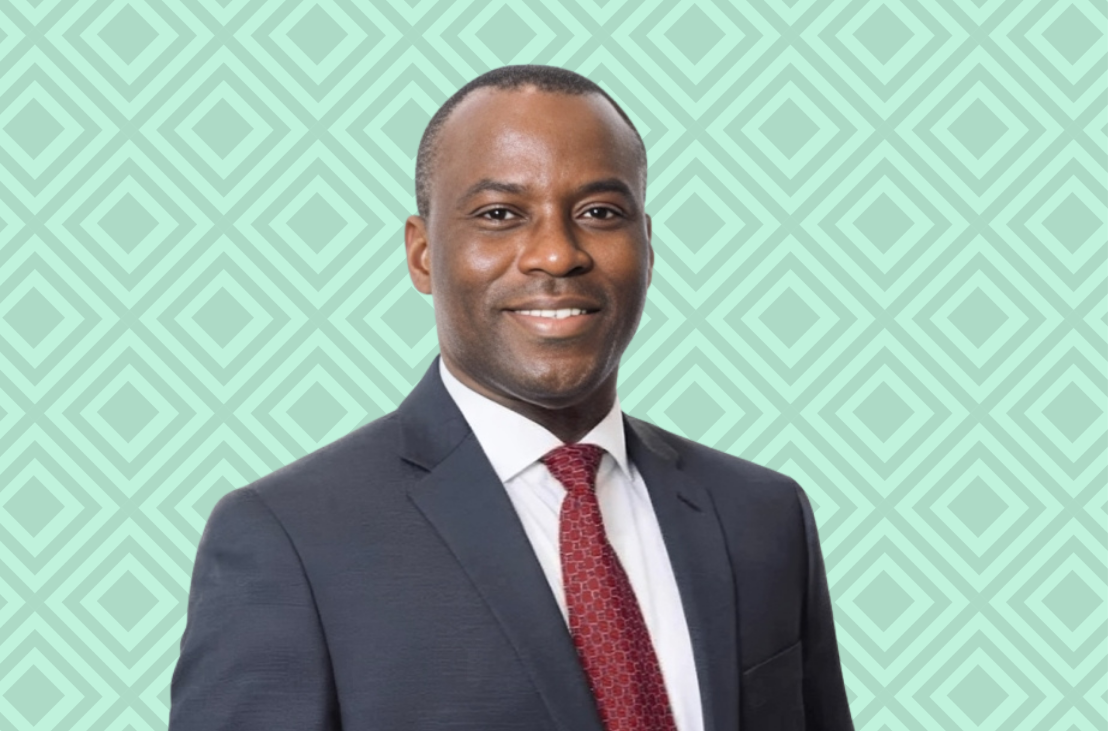
Seplat Energy Chief Executive Officer, Effiong Okon, has urged independent oil and gas operators in Nigeria to make asset integrity a top priority, warning that ageing infrastructure, poor maintenance and inefficient operations could undermine the value and long-term sustainability of their investments.
Okon made the call during a panel session at the 49th Nigeria Annual International Conference and Exhibition (NAICE), organised by the Society of Petroleum Engineers (SPE) in Lagos.
The conference, themed “Building Resilient Energy Systems in a Rapidly Evolving Energy Landscape”, brought together industry stakeholders to examine the challenges and opportunities confronting Nigeria’s energy sector.
According to Okon, oil and gas companies must adopt deliberate strategies to maintain their facilities, address obsolete equipment and extend the operational life of their assets.
He said stronger attention to asset integrity would help operators optimise the value of their investments, improve returns and build more resilient production systems.
The Seplat CEO stressed that critical equipment should be maintained at a top-quartile performance level, targeting about 95 per cent uptime to reduce unscheduled production deferments.
He said operators should have a comprehensive understanding of their assets, from the reservoir and wells to flow lines and surface facilities.
“You must follow your oil and gas molecules from the reservoir to export,” Okon said, stressing that understanding the entire production chain is essential for improving efficiency and identifying areas where performance can be strengthened.
Cost-cutting must go beyond production
Okon also outlined several measures that could help oil and gas companies reduce operating costs while improving efficiency.
He identified effective water treatment, ending routine gas flaring, monetising gas that would otherwise be wasted, reducing unnecessary evacuation routes and improving logistics and outsourcing capabilities as areas where operators could achieve significant savings.
Rather than paying penalties for gas flaring, he encouraged companies to find ways to capture and commercialise gas resources, thereby turning potential waste into additional revenue.
He argued that improving operational efficiency would be particularly important as producers seek to maximise returns from existing assets while navigating the rapidly changing energy environment. Beyond physical infrastructure, Okon said investment in human capital was equally important to the future of Nigeria’s oil and gas industry.
He called for greater development of technical expertise capable of understanding subsurface formations, wells and production facilities.
According to him, stronger technical knowledge, combined with adequate capital, would enable companies to make better investment decisions and optimise the value of their assets.
He also urged the Society of Petroleum Engineers to intensify efforts to train and produce more engineers to address the skills gap in the industry. Okon highlighted Seplat Energy’s focus on gas development and its contribution to Nigeria’s domestic energy market.
He disclosed that the company’s shallow-water business has access to about 12 trillion cubic feet (TCF) of gas resources, which the company plans to unlock, accelerate and monetise at a greater pace.
He described Seplat as a major player in Nigeria’s domestic gas development and said the company was also investing in liquefied petroleum gas (LPG) to expand access to cleaner cooking fuel.
According to him, increasing LPG adoption could help displace biomass use while contributing to efforts to reduce carbon intensity. The Seplat CEO also said the company had continued to balance shareholder returns with investments aimed at strengthening its long-term operations.
He said Seplat had delivered value to shareholders through share-price appreciation and dividend payments while simultaneously allocating capital towards projects and assets that would support future growth.
Okon’s remarks underline the growing importance of operational efficiency, infrastructure maintenance, gas monetisation and technical expertise as Nigeria’s oil and gas industry seeks to increase production and attract further investment.
For independent producers, the challenge is increasingly not only about finding and producing hydrocarbons, but also ensuring that existing assets remain reliable, efficient and commercially viable over the long term.