KEY POINTS
- Eneos is expanding abroad to offset falling Japanese fuel demand, led by a 2 billion dollar-plus purchase of Chevron’s Asian downstream assets.
- The Chevron deal should nearly double Eneos’s overseas revenue share to 30 percent, targeting about 250 million dollars in operating profit by fiscal 2030.
- With overseas revenue targeted at 50 percent by 2030, Eneos flags more M&A, including US butadiene maker TPC and Southeast Asian gas.
Japan’s top refiner Eneos Holdings is on an overseas buying spree to offset falling demand at home, testing its ability to broaden revenue and manage assets abroad as it chases global scale.
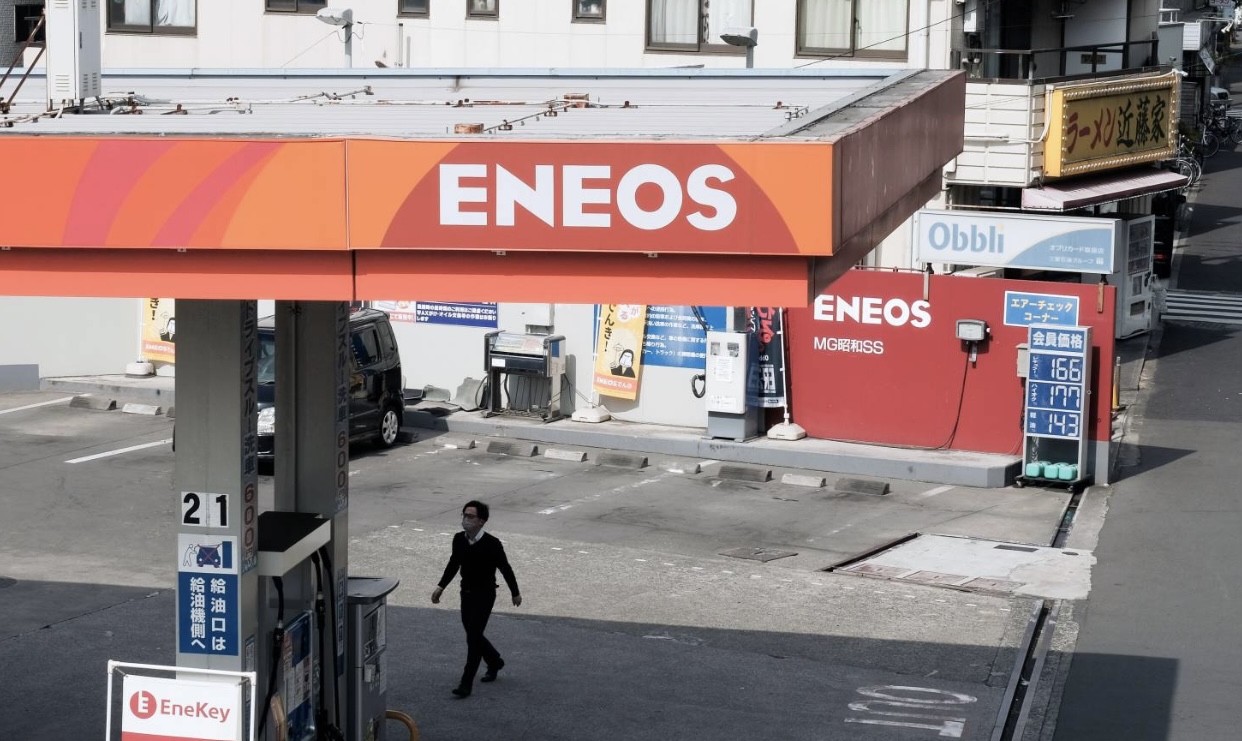
Eneos dominates Japan’s fuel retail with 11,000 stations, half the market, yet it is hunting more deals abroad. Moreover, it is betting that diversifying within its core fuel business will pay off better than its loss-making renewable energy push a few years ago.
Chevron deal anchors the expansion
The centerpiece is a 2 billion dollar-plus purchase of Chevron’s Asian downstream assets, unveiled in May, which includes a 50 percent stake in Singapore Refining Company and its 290,000 barrel-per-day plant. Consequently, Eneos aims to capture Southeast Asian and Australian demand while expanding its supply, marketing and trading network under the Caltex brand.
According to Chief Financial Officer Masahiro Tanaka, the enlarged asset base finally lets Eneos trade at a scale matching its size. Furthermore, the company targets about 250 million dollars in operating profit from the new assets by fiscal 2030, and the deal should nearly double its overseas revenue share to 30 percent from 16 percent.
More acquisitions likely
However, execution will decide the outcome. Specifically, rival Idemitsu earns far more from asset-backed trading despite being smaller, and Singapore’s market is more competitive and flexible than Japan’s. Still, one trader said the deal could diversify Eneos’s crude slate, easing heavy reliance on Middle Eastern oil exposed during the US-Israeli war on Iran.
In August, Eneos also agreed to buy US butadiene maker TPC Holdings for about 200 billion yen, making it the world’s third-largest producer of a key rubber and plastics material. Additionally, Tanaka said the group still has about 300 billion yen earmarked for investment through March 2028, a figure that could rise after share sales tied to JX Advanced Metals raised roughly 640 billion yen.
Ultimately, Eneos wants overseas revenue at 50 percent by 2030, so more deals look likely. Therefore, Tanaka flagged Southeast Asian gas, including a recent 10 percent stake in Petronas’s Malaysia LNG Tiga, calling further M&A the primary growth driver.