KEY POINTS
- Gulf states postponed a planned Oman-hosted meeting with Iran on reopening the Strait of Hormuz, with Iran saying Saudi Arabia requested the delay.
- Houthis struck a Saudi airbase at Khamis Mushait, and a Friday attack knocked out Saudi Arabia’s east-west pipeline, threatening up to 4 percent of global oil supply.
- Oil rose more than 3 percent and US retail diesel hit a record above $6.23 a gallon, while Iran listed 77 ships it says violated its Hormuz rules.
Gulf Arab states have called off a meeting with Iran planned for Monday, while Yemen’s Houthis launched a fresh attack on Saudi Arabia, widening the Middle East war into a new theatre and further threatening global oil supplies.
The Iran-aligned Houthis said they fired dozens of missiles and drones at a Saudi military airbase in Khamis Mushait, hitting hangars, radar systems, runways and ammunition depots. Moreover, they cast the strike as retaliation for hundreds of recent Saudi airstrikes on Yemen, prompting brief emergency alerts across several southern Saudi cities.
Oil supply under fresh threat
The escalation rattled energy markets. Specifically, crude prices rose more than 3 percent when trading reopened after the weekend, while average US retail diesel hit a record above 6.23 dollars a gallon. Furthermore, a Friday attack that Riyadh blamed on Iran-backed fighters in Iraq knocked out Saudi Arabia’s east-west pipeline, the main route bypassing the blockaded Strait of Hormuz.
Consequently, traders warn the outage could cut as much as 4 percent of global oil supply unless the line reopens within days. However, Riyadh has given no firm estimate for how long repairs will take.
Diplomacy stalls again
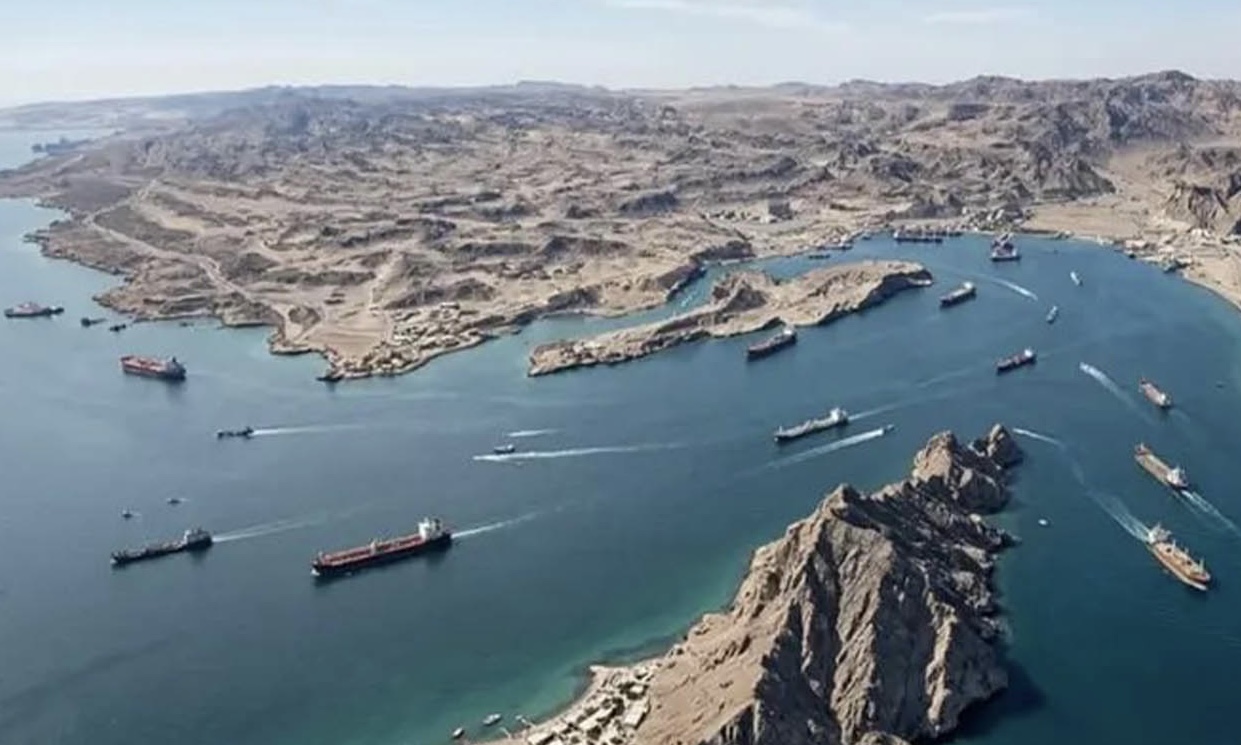
Meanwhile, efforts to ease the crisis faltered. Oman had been due to host talks with Iran and Gulf states on reopening Hormuz, largely closed since the US and Israel attacked Iran in late February. Nevertheless, Oman said the meeting was postponed “in the interests of consensus,” while Iran said Saudi Arabia had requested the delay.
Iran also hardened its stance at sea. Specifically, it issued a list of 77 ships it said had violated its Hormuz protocols, warning of fines, detention or confiscation. Ultimately, the widening war leaves Washington in a bind, since President Donald Trump faces pressure to aid Saudi Arabia yet has so far rebuffed pleas to intervene, predicting instead that the conflict will end after November’s US midterm elections.