KEY POINTS
- Germany’s economy minister plans to expand an autumn Long Term Options tender and lean on Uniper and SEFE storage, avoiding direct state gas purchases.
- German gas storage was only about 53 percent full in early September, the lowest for the season since records began 15 years ago.
- Storage body INES warns a very cold winter could cause supply shortfalls as early as January, with a ministry decision due by September 21.
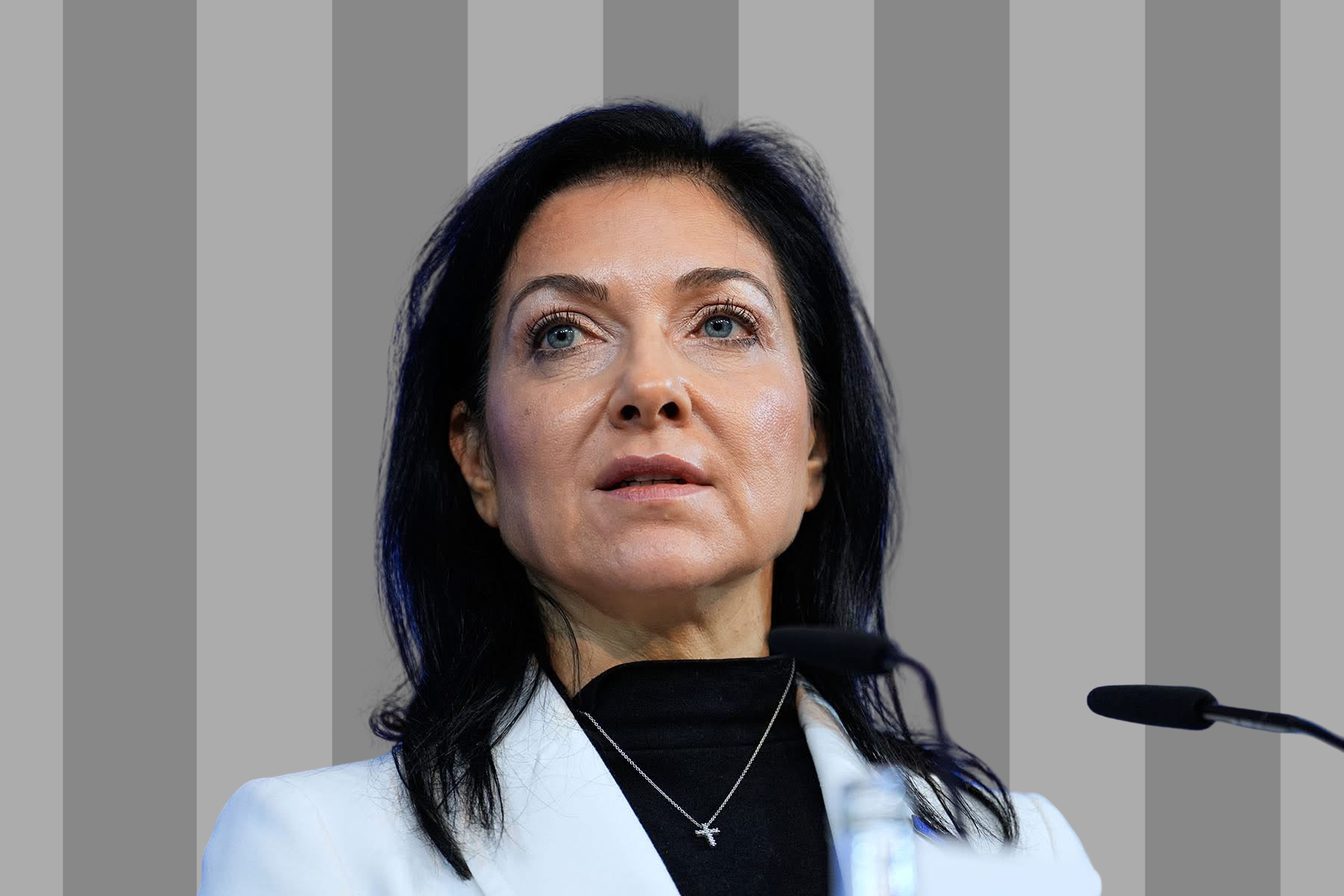
Germany’s Economy Minister Katherina Reiche plans to use market incentives to encourage traders to keep more gas available this winter, while avoiding direct state gas purchases, amid growing supply concerns, a government source said.
The approach leans on market tools rather than the public purse. Specifically, a planned autumn tender for Long Term Options, or LTOs, will grow by an as-yet undetermined volume of gas. Moreover, those options let Trading Hub Europe, Germany’s nationwide gas market coordinator, secure deliveries from traders for potential future use.
State firms to lean on storage
The plan also draws in state-owned players. According to the source, the government has agreed with Uniper and SEFE that they will make fuller use of their storage capacity. Consequently, Berlin aims to lift available reserves without buying gas directly, a politically sensitive step it wants to avoid.
The timeline is tight. Furthermore, Politico reported that Reiche’s ministry aims to decide the matter by September 21, underscoring the urgency as the heating season nears.
Storage sits at record seasonal low
However, the backdrop is worrying. Specifically, Germany’s gas storage sites were only about 53 percent full in early September, the lowest for the time of year since records began 15 years ago, according to storage association INES.
That shortfall raises real risks. Additionally, INES warned last week that an exceptionally cold winter could trigger supply shortfalls as early as January. Nevertheless, the government is betting that stronger incentives and fuller use of existing storage can close the gap in time.
Reaction from the firms was muted. SEFE said it would issue a statement shortly, while Uniper declined to comment. Ultimately, the plan reflects Germany’s broader push to shore up energy security through market mechanisms, as it tries to avoid the emergency interventions that marked the earlier gas crisis while still guarding against a cold-weather crunch.